@mikelovesbikes :thonking:
Federated Timeline
☻
☻
They don't have to worry about it because Bernie and his cult will be flooding social media with how the Democrats abandoned the working class.
☻
@georgetakei As you do, hey!!
☻
I think we should start a national “Hinge the President” campaign where we everyone buys and mails a hinge to the White House. Like a million of them.
☻
@georgetakei He is, in fact, the most dangerous lunatic in history.
☻
☻
@catsalad I don't know. Let me ask AI.
☻
☻
@georgetakei Lot's of suspicious deaths surrounding this administration.
☻
UNIX is simple and coherent. - Dennis Ritchie
GNU's not UNIX. - Richard Stallman
☻
Odin there is a very informative and educational video behind you, why are you facing me and my bacon
☻
@georgetakei
Which one is the animal?
☻
@0xabad1dea The goodest of boys :3
☻
@georgetakei That's the difference between old money and the average person. We have no need to study dead body parts later.
☻
@catsalad @jackryder bring back the ebooks bots!
☻
@jackryder @Viss Markovian bot train on me would meow and :3 a bunch, for sure
☻
☻
@nada_bio_entity2 Amazing photo!
☻
@catsalad thought you’d like this: https://mastodon.ie/@EugeneMcParland/116426514162890225
☻
@georgetakei Tom Homan should stay out of the conversation - there is no reason that he ought to be weighing in on this matter for any possible outcome. That schmuck Homan ought to be in jail anyway at this point....
☻
@georgetakei there must be at least one legit reason why one might be cutting off a raccoon penis and studying it (now, later, whenever) is ok. You know like….raccoon scientist? Penis scientist? Death scientist? Oh wait sources tell me he’s a politician? That’s just weird
☻
It has been brought to my attention that I've used the vulgar and offensive term "motherfuckers" in two recent posts to describe various classes of people.
And that is, of course, because I'm a stickler for both clarity and precision when referring to techbros and transphobes.
Which means I should acknowledge that usage count is now three posts.
And to further clarify, while I'm sorry if someone told you there wouldn't be any math today, I am not sorry for anything else.
Thank you.
☻
@georgetakei The United States of Told You So.
☻
He should have cut off his own and studied that.
☻
@georgetakei of course they did. The jokes were always transphobic. Can't pretend to be a victim now,Dave.
☻
☻
@georgetakei while thinking about how strange his family had become, no less.
☻
There is something basically wrong with RFK Jr
☻
Age verification but it's just listening to how much of your body creaks getting out of a chair
☻
“Grandma, why did your great great great great great great great great grandfather have such an obsession with dumpster fires?
☻
@georgetakei Mr Chappelle majored in the art of not being advised.
☻
Come on, we all know what he really used it for.
☻
That remains to be seen, on Sunday 23:59.
☻
@georgetakei We've heard this kind of promise many times in the past.
I'll believe it when it's *actually* happening.
☻
@georgetakei He probably ate it.
☻
@georgetakei Stick him and that dog-lover Noem in a sack and swing at it — can’t miss the right one. (loosely based on a German proverb)
☻
I love my dog who makes me feel like the safest girl in Amsterdam
☻
☻
@catsalad ... they are not opinions.
☻
@georgetakei Wow!
It's as if Mark Twain's spirit has possessed Stephen King.
Or maybe it's the other way around - I'm no expert on this.
☻
Wow it’s almost e clirty
☻
@georgetakei They uh.. they most definitely lobotomized the wrong Kennedy.
☻
@georgetakei Can you not look up pictures of it like a normal person?? Jfc
☻
☻
This week’s Just for Skeets and Giggles is out! Have a great weekend. https://open.substack.com/pub/statuskuo/p/just-for-skeets-and-giggles-41826?r=7xfrr9&utm_campaign=post&utm_medium=web&showWelcomeOnShare=true
☻
A photo from Odesa captures a cat perched in a window shattered by a russian attack
Instead of fear, the cat shows a quiet confidence, gazing out at the new day. It is a perfect reflection of the Ukrainian people, who stand brave and unbowed after every act of russian terror
Source: United24 Media
☻
@georgetakei Item # 1000 for things no one who "does their own research" will ever type into youtube:
Introduction to mammal reproductive anatomy lecture.
☻
@catsalad
No I didn't, but it doesn't feel any different...
☻
@georgetakei @GlennMG Who *doesn’t* use that term? Only someone so privileged that they’ve never themselves run outside to buy milk or cigarettes or an onion, or a coke. My people (all of us?) go to the corner store.
☻
@catsalad or if you’ve read Ursula K. Le Guin‘s The Word for World is Forest (1972). Fern gully and especially Avatar pretty much ripped her off.
☻
"If we stopped surveillance advertising, most modern internet companies would collapse"
Good! They're laying off humans at a record pace in order to juice their stock prices and further facilitate this bubble. Take 'em all out.
☻
Imagine being a coder but thinking there's no artistry to writing code. What an empty existence
☻
Good morning! It's very cold and sparkly. And there are no new baby goats. But the 5 baby goats so far are SO CUTE and very healthy. #BabyGoatCountdown
☻
@georgetakei Prosecute Epstein Pedophiles #PEP
☻
@jerry My cheeeeese! 😭
☻
@_elena Che fortuna essere in Italia!
right... a hashtag... good idea! (damn we really need a marketing person 😂) #resistingbigtechempires
☻
Why are you bothering me? I was busy! #CatsOfMastodon #DailyMenhit
☻
meanwhile at dentist office 😂 via https://xcancel.com/nocontextscats/status/2045428594332291503/photo/1
☻
:nkoWave: Hello and a good meowing on this #Caturday! :blobcatsnuggle: :blobcathearts: Have a most wonderful day and stay safe ♥️😸
☻
@debby I wish! I need to see what I can do...
☻
@edgeofeurope I'm not sure, as an expat. But I really appreciate the work of @DataKnightmare and his BRILLIANT podcast in Italian about these topics: https://dataknightmare.eu
☻
@patrickleavy I wish 😭 I just arrived in Italy at my parents' because my child has 2 weeks of school holidays - bravissimo for this, enjoy and let me know if there's a hashtag on here to follow this so I won't miss anything
☻
@catsalad
You’re not going to believe what happens next! :amaze:
☻
@catsalad The greatest dyslexic Swedish band ever.
☻
@georgetakei but Hillary’s emails!
☻
@georgetakei we should be so lucky.
☻
☻
SO DOES HE! GO BACK TO YOUR TRENCH!
☻
I'd like to take a moment to point out that neither of the numbers 09 F9 11 02 9D 74 E3 5B D8 41 56 C5 63 56 88 BF or 09 F9 11 02 9D 74 E3 5B D8 41 56 C5 63 56 88 C1 are illegal. Do with this information as you want.
☻
@catsalad The "YES" side has 99% support, and the "no" side has 8%. This is a very scientific poll.
☻
196883 + 1
☻
@catsalad dances with wolves
☻
@georgetakei Gotta love how _EVERYTHING_ the U.S. Regime is accusing others of, _THEY_ are actually doing in absolute abundance.
☻
@jerry Oh, that's awesome!
☻
@jerry Cute animals always take priorities :ablobcatnod:
☻
@georgetakei It won't do any good
☻
@burger Wine & wine :3
☻
@georgetakei There's nothing to get to the bottom to or investigate. Much of Trump's corruption in that of his family has been extremely public and well documented. We need a commitment for removal from office and prosecution for his crimes.
☻
@georgetakei Understatement of the year by PBS News.
☻
@georgetakei
When TACO ceases to breath there’ll be dancing in the streets.
☻
When #Catholics behave like #Barbarians. Not #new at all.
☻
@georgetakei The devil is a narcist.
☻
@georgetakei Trump ist eine Beleidigung für jeden guten Teufel! Selbst die würden sich so nicht benehmen.
☻
@catsalad add break in the loop to stop the execution.
☻
@georgetakei let's play devil's advocate.
He didn't know those guys & greeted them because he was excited about the fight. k
I think that's kinda believable. But if that is what happened, he blew the rest.
When I get buddy buddy with a guy everyone tells me after it's a rapist, I don't say "I didn't know & I'm not supporting him".
I say "damn, I didn't know and that's horrifying. Had I known, I wouldn't have done that. I regret it happened, I'll take better care in the future and I'm sorry."
☻
@catsalad Hot Dogs?
☻
@georgetakei well this is disappointing and I'm now done with Guy #foodnetwork
☻
☻
Boop to fix blep 👉:neocat_blep:
☻
☻
#1984 - #Trumpistan.
@georgetakei
☻
@catsalad Cheese (extra mature Cheddar) and onion (white, thick slices) sandwiches with mayo and salt & vinegar crisps sandwiches?
Has to be made with thick sliced plastic mass produced bread for best effect.
☻
@hal_pomeranz I think @hacks4pancakes used to know how to get cheap glasses online.
☻
@catsalad head cheese on a saltine
☻
@mloxton Wait, fries on white bread? Like a fry sandwich? :blobcatthink:
☻
@elebertus Nothing like yoloing it with gas station sushi
☻
@georgetakei and why is she doing it?
Because she / they can. There are still enough guys believing everything they say, lie, believe.
They are not open to truth, honesty, facts.
☻
@CatsofArrakis there is some 🧀 on it!
☻
@catsalad
Whatever it is, I bet you have competition for it. 🐈
☻
@Chloe :blobcatfingerguns:
☻
@catsalad Who is Cat?
☻
@catsalad
roll mops und bier?
☻
@mloxton too spicy! /jk
☻
@mespique :ablobcatnod:
☻
☻
I mean...
☻
@catsalad is it cats?
☻
@ShiitakeToast
:neofox_drake_dislike: cat food
:neofox_drake_like: Cat food :3
☻
@catsalad Macarons!
☻
@catsalad ... crow?
☻
@catsalad catnip
☻
@catsalad boar!
☻
@catsalad Cheese
☻
@catsalad pizza?
☻
@catsalad cat food?
☻
Guess what I'm eating?
☻
@georgetakei If you can get enough of the cult to care. 🤔
☻
Scott Bessant knows in his cold heart of hearts that he’s a gaslighting psychopath.
☻
@georgetakei Honestly, that has the same reckless confidence and zero-thought energy of something Pete Hegseth would blurt out before anyone checked the facts.
☻
@georgetakei I want to know how she plans to teach her kids not to lie.
☻
@georgetakei yeah this soulless ghoul has a perfect understanding of my heart of hearts. How does a grown adult say this with a straight face.
☻
Keeping the bridge in place isn’t an act of charity; it’s a basic #KISS survival strategy. How #mainstreaming funds grassroots movements, they get their value from https://hamishcampbell.com/how-mainstreaming-can-meaningfully-fund-grassroots-movements-they-get-the-value-from/
☻
I'm sure that in his heart, he knows he is a huge asshole.
☻
@georgetakei the economy may be fine but the people aren't.
GDP can easily grow when inflation is high and wages are low.
☻
@georgetakei Weapons grade delusion and gaslighting. This guy terrifies me, he really does. And that fucking smirk that is on his face 24/7...🤬 🤬 🤬
☻
Unfounded war that was illegal and never even discussed by complicit congress.
Corporate puppet actually did cause energy increases including an excuse to raise all other prices for corporations with fake fraudulent illegal tariffs.
☻
I'm sure Bessent was once respected in his industry
☻
@georgetakei They might be out of touch, but, also, they really do not care about the consequences of being wrong.
☻
@georgetakei I don't think they're real government officials. I think they're just crisis actors.
☻
@georgetakei they are all insane liars
☻
The regime is so out of touch.
☻
Sounds like something Hegseth would say. https://www.comicsands.com/bessent-strait-of-vermouth?utm_source=mastodon&utm_medium=infeed&utm_campaign=linkprogram
☻
@pzmyers I seem to recall the Founders having something to say about separation of powers, checks and balances, and due process, and Thomas’s god having something to say about lying and corruption.
☻
@georgetakei He's just a tyrant
☻
@georgetakei 🤨
what funny stuff is she smoking?
some weird medication?
some android?
what are those two goons for?
☻
@georgetakei "Hands up, fella! Higher! Speak English? Where's your birth certificate? Taser! Taser!"
☻
☻
@georgetakei Yeah, what congress should have been doing the last ten years. Instead of spending all their time collecting checks and posing for the camera. Merrick Garland my ass, they’re all in the same club and we ain’t in it. George Carlin, peace be upon him
☻
#Lying, without getting #flushed #red in the Face. Guess she would stand any #Test with the #Polygraph in lying for her #Master and #Commander.
☻
Not sure how accurate this is, but here's a graph of the data.
https://www.macrotrends.net/datasets/3591/us-gasoline-prices
When did she say this? Jan-25->Jan26 it looks like a 30 cent drop. Goes ape shit after that, but a few months ago it was a decent drop for about a qtr before the forever spike begins.
Would have been a really good time to buy if you could start a war and jack up the price.
☻
We should take the same lesson and apply it to the criminal enterprise being run by Trump and his family. Then boot them from power just like voters just did to Orbán.
☻
☻
☻
The Propaganda Princess would put Goebbels to shame. Anyone who doesn't see it at this point is simply willing to believe lies, for whatever reason, and that is a very dangerous position in which to be.
That the media run with her propaganda with little to no question shows that propaganda is now acceptable as news, and that, without serious surgery, is officially established. Which, of course, is the goal of propaganda: blur the line between what is real and not real to reel in.
☻
Today's co-working status.
☻
@georgetakei What their "direction" "is" isn't what everyone else's "direction" "is".
☻
Clarence Thomas wants to claim that the US government is founded on God, and that we need more traditional morality. This is what you get when your judicial system is packed with religious bigots.
https://freethoughtblogs.com/pharyngula/2026/04/17/we-need-better-supreme-court-justices/
☻
Side note, if you want to see how common of a pattern this is, and I can't believe I didn't think of this earlier, go search Github.com for 'deleteduser.com', lots of examples of delete functions from apps there that do this type of thing.
☻
@georgetakei couldn't agree more George. 1984 is the book of our time.
☻
@georgetakei A girl of 23? under pressure of an army of bullies and rapist narsistic predators…. Not to bright too.
☻
I am invoking the wisdom of the Fedi! Which online eyeglasses outlet do you use/prefer for prescription lenses?
☻
@georgetakei lol
So all those redacted files they "released" were fake? And the others they didn't are mythical? I'm sorry, which lie are we supposed to believe?
☻
#LiarsGonnaLie in #Trumpistan. EVERY SINGLE WORD. #JDVance - #ShitForBrains.
@georgetakei
☻
@thomholwerda No gym equipment? Use your kids as weights (they find it hilarious)
☻
@georgetakei Yeah, that's why they namedrop Bill Clinton and other prominent Dems.
☻
@chillybot @0xabad1dea meow-draft-1
☻
@catsalad @0xabad1dea it’s the perfect mastodon, if not fediverse, spec ―all because of you 😸🥗
☻
@blogdiva @0xabad1dea It's beautiful 🥹
☻
135tb ram bitches
☻
@pzmyers Is it "go be poor somewhere else"? That seems to be the Republican plan for homelessness everywhere.
☻
Something between "Chaotic Good" and "Lawful Evil", I guess.
☻
@_elena C'est fantastique. Et toi aussi. Félicitations !
☻
it seems someone decided to prove you really can just publish any nonsense protocol draft with the IETF https://www.ietf.org/archive/id/draft-meow-mrrp-00.html
☻
People fight against or/and ignore the #KISS (Keep It Simple Stupid) approach in tech because simplicity exposes power. Complexity, jargon, and process give cover – they make control look like competence. When paths are simple and transparent, everyone can see who’s blocking, who’s hoarding, who’s acting in bad faith. Many “experts” and institutions are emotionally and professionally invested in keeping things complicated; simplicity threatens their authority, their funding, and their identity.
All the #OMN projects are not directly about social change – they’re about making social change possible. That distinction matters as people don’t step into change unless they first believe change can happen. If the world feels fixed, locked, inevitable, then nothing moves. Our role is simpler, and maybe more important, to open that door a crack, to show that different paths exist.
Think of #OMN as a helping hand, not dragging people forward, not telling them what to do – just making it easier for them to take that first step when they’re ready. But to do this, we need to think more clearly – and more fundamentally – about technology itself. As most of the current “open paths” are cosplay at best, we need a network that links them as flows for there use to be unlocked from the current limits of #stupidindividualism shaping them – to become a native part of the expanding #openweb reboot.
I’ve been working on this for over 20 years, and one thing keeps proving true: we need roughly 90% open and 10% closed, the balance matters. As the current push from the #encryptionists flips this – aiming for 90% closed and 10% open. That isn’t a solution, it’s a retreat. It breaks the social fabric that makes collective tools usable and meaningful. It fragments, isolates, and ultimately shrinks the space where shared culture can exist.
Yes, privacy matters, yes, some things should be closed, that’s the 10%. But the commons – the space where we meet, talk, organise, and build trust – has to be open. Without that, there is no network, just silos. Take a simple example: you’re reading this via #activitypub. That’s a system built on being mostly open, with just enough closure to function safely. And it works, people are here, conversations happen, networks grow.
Compare that to more closed, encryption-heavy systems like old school Diaspora. Technically interesting, sure, but socially? Empty, few people, little flow, no impact. That’s the core point: this isn’t just about functions or features, it’s about culture.
Open federated, networked systems create the possibility of shared culture, and from that, the possibility of social change. Closed systems protect individuals, but they rarely build movements. We need both – but we need to get the balance right. Right now, too many people are getting it the wrong way round.
Decentralised servers – what we now call the #Fediverse – are often talked about as if they’re some new, radical innovation. They’re not, they’re a return to the original design of the network. The early internet wasn’t built to be controlled, it was built to survive. The core idea was simple: if parts of the network were destroyed – even something as extreme as a nuclear strike – the rest would keep functioning. No centre, single point of failure or “off switch.”
That’s what decentralisation actually means. And this thinking didn’t even start with the #openweb. Systems like Usenet already embodied this approach: distributed, federated, run by many, owned by none. Messy? Yes. But resilient, open, and hard to capture.
What we’ve been living through for the last 20+ years – the rise of the #dotcons – is the opposite of this. Centralised platforms with single points of control. Easy to use for control and monetise, easy to manipulate, easy to shut down. We didn’t lose the #openweb by accident, we blindly traded it away for this convenience.
What we’re seeing now with the #Fediverse, #ActivityPub, and related projects isn’t innovation in the common sense. It’s a reboot, a return to the path we were on before we derailed it. The difference is that now we’re trying to rebuild this in a world that has spent decades normalising centralisation and control. 40 years of death cult worship has changed people, institutions, social groups and our very internal selves. That’s where the friction comes from, people arrive expecting #dotcons platforms, what they find is networks. People expect control, what they get is responsibility. People expect “free” what they face is shared cost and care.
So, it was never about the tech, the mistake we keep making is ONLY thinking this is a technical shift, it’s not, it’s cultural. You can spin up a decentralised server in minutes, that’s not the hard part, the hard part is everything around it:
- Who runs it
- Who pays for it
- How decisions are made
- How conflict is handled
- How trust is built and maintained
This is the work the #dotcons hide from us, they wrap control as “free services” paid for with surveillance, extraction, and control. Now that we’re back on the #openweb path, that work becomes visible again, and yes – it’s harder.
Why this matters (Again). Resilience isn’t an abstract idea anymore as we’re living through cascading crises: political instability, #climatechaos, infrastructure fragility. A centralised network fails catastrophically were a decentralised network degrades – but keeps going. That’s the difference between a system you depend on and a system you can trust.
We don’t need to overcomplicate this – Keep It Simple (#KISS)
- The #openweb is decentralised
- The #dotcons are centralised
One builds commons, the other extracts value, everything else is detail. And yes nobody thinks the Fediverse is not messy, uneven, (yet) match the polish of corporate platforms. That’s fine, mess is where growth happens – if we compost it properly.
The #OMN view, we’re not trying to invent something new. We’re trying to make what already works usable at scale for media, trust, and collective action. The infrastructure is there, the protocols exist, the history is long. What’s missing is the shared layer – the commons – where information flows in ways people can actually rely on, that’s what we’re building.
If decentralisation feels radical, it’s only because we’ve spent so long inside systems that forgot #OMN #openweb #KISS
☻
☻
@catsalad that's why I use Gnome
☻
@catsalad 🥹 wished I could unsee this 😆 @michaelgemar
☻
@catsalad Are you saying GNOME stinks? 😁
☻
It's a good sign when the orb weavers start showing up.
☻
☻
@GhostOnTheHalfShell Well, yes.
☻
@catsalad more a Cosmic thing… really.
☻
@HamonWry Indeed. 👏
☻
@georgetakei That drunk did the Samuel Jackson monologue in front of a crowd of people today because he thinks it's a real prayer. I truly wish stupidity hurt the stupid and not those around the stupid.
☻
@MaryAustinBooks @bookstodon
[*You died of dysentery*]
☻
@catsalad
"When you see the flash, remember to duck and cover!"
☻
These folks declared during the pandemic, “The government can’t tell me what to do with my body!” So it tracks.
☻
@catsalad @InsiderTreat
Summoning the Allergen Defence Force.
☻
@catsalad assigned baby at adulthood
☻
@catsalad only works if your main language is english.
☻
@catsalad Coincidentally "abab" is the first thing a bunch of them ever say
☻
@ozzelot 😹
☻
@catsalad all babies are bastards
☻
@catsalad all cats are baby
☻
@ProcessParsnip Yay!
☻
@InsiderTreat Kitty!! :ablobcatfloofpat:
☻
☻
i would rather download an exe and run it under wine than install a flatpak
☻
☻
☻
@catsalad Knew I kept mine around for a reason, imagine if those 17 ghosts were still around!
☻
Let's be honest with ourselves. If social media content is too toxic for kids, it's probably too toxic for adults too.
☻
Brilliant! Absolutely brilliant!
☻
@catsalad
Everybody do the flop!
☻
@georgetakei
This administration is a joke – a bad one.
☻
@georgetakei oh man, cruelty everywhere. Previously it's ukraine. And now it's palestine! :bd13:
☻
@georgetakei "All right! Stop dickin around!"
☻
@georgetakei Truth
☻
@georgetakei
The photo must be cropped, I can only see 2
☻
@georgetakei are there not already enough dicks in ICE?
☻
Dick around, win dick prizes.
☻
Another reason to hate #Apple We're seeing more 2018+ MacBook Pro/Air donations — but Apple's T2 chip means even after iCloud sign-out and reset, the firmware stays locked to the original account.
Without donor contact, these machines are useless. :(
I've upcycled ~1,000 older Macs, but T2 era machines will end that. It's controlling, creates e-waste, and will only get worse. #righttorepair matters — Apple couldn't care less.
☻
@catsalad
Plz. Don't
☻
Born to :blobcatPuffyBlush:
Forced to :blobcatDead:
☻
@georgetakei Ever considered a career in ontology? "Trump sold chaos but delivered incompetence."
☻
@georgetakei An enemy of my enemy is convenient, but definitely not my friend.
☻
Messy language feeds back into messy culture https://hamishcampbell.com/messy-language-feeds-back-into-our-culture/ Seen this way, extremism isn’t in change and challenge. It’s insisting that a failing system must continue at all costs.
☻
The right-wing taking the tools, traditions and myths of the left wing https://hamishcampbell.com/the-right-wing-are-taking-the-tools-traditions-and-the-myths-of-the-left-wing/ If we don’t actively shape this, the risk is simple: the forms of the left survive, but the substance gets hollowed out, and quietly folded back into the logic of the #deathcult.
☻
@witchescauldron "Can" or "can't"?
☻
In our political paths we face a mess, the hard right has been taking the agendas, traditions, and paths that the left abandoned, and twisting them to push its authoritarian politics harder. It’s a mess of our own making. When we walked away from the sense-based left paths - trust, solidarity, open debate, collective action - we left a vacuum, that the right filled with fear and control. Yes, we fucked this up, now we have to fix it #KISS The algorithm is feeding us fascism – Its (past) time to step away https://hamishcampbell.com/the-algorithm-is-feeding-us-fascism-time-to-step-away/
☻
@_elena Good luck! 🍀
☻
@renchap thank you Renaud! I look forward to seeing you later this morning :)
☻
@_elena good luck
☻
@_elena Go go! You got this.
☻
@_elena you got this! Well done! It is an achievement to even be in this position to present, the amazing job you will do is just the bonus. Go you, and thank you for the contributions here. Regards from the newbies
☻
@_elena good luck in your presentation! best wishes :)
☻
@_elena in Sweden we do the same as the Germans "thumbs pressed". So I'll press my thumbs for you.
(And I also look forward to finding out more about the context of this presentation and what this slightly secretive "special place" is afterwards.)
☻
@_elena you are going to do great, good luck!!
☻
@_elena Crossing fingers for you! Your good luck charm will do miracles for you, I'm sure.
☻
@_elena best of luck, I’m sure you will rock it!
☻
@georgetakei Vance is a most unlikable person.
☻
A fake Christian meets a real Christian and gets his ass handed to him. What a piece of shit. Some people should not be allowed to be parents.
☻
@georgetakei
Can we send him to Russia? 😁
☻
@georgetakei
Maybe JD can get Viktor to be his running mate in 2028.
☻
@georgetakei
Who wants to procreate when a certifiable sociopath is leading the country?
☻
☻
@georgetakei he's black in all the ways that don't matter.
☻
@georgetakei 🤦♂️
anything to distract from those files, huh?
Oh, and Trump's War. And $4 gas. And overall rising inflation
☻
@georgetakei We have ideas where to help next here in Germany.
☻
@catsalad i always thought those were the low knees, and the high nee was on the butt
☻
@catsalad HE WAS IN THE POOL
☻
@georgetakei so, almost as fast as a pizza delivery car
☻
☻
@georgetakei Marc Siegel wants 15 year old girls to get pregnant? Well at least it isn't the 8yr olds !
☻
@georgetakei He's a lying fuckbag, but if you assume his statement is true, it's proof of his dementia.
☻
@georgetakei So, the USA is the "hottest nation in the world", but America's teens aren't feeling it?
☻
@georgetakei Interesting way to say "don't try ME for war crimes"
☻
This isn't sound policy. It's reckless endangerment.
☻
@georgetakei
As always, keep #JDVance away from all sofas, too.
☻
No one suffers like a rich boy. https://www.comicsands.com/musk-south-africa-starlink?utm_source=mastodon&utm_medium=infeed&utm_campaign=linkprogram
☻
@georgetakei The one clear lesson of the stupid Trump War was, yeah, we need other countries.
☻
☻
@catsalad ouch, that burn "This is why you still fly RJ"
☻
@c0debabe i agree :ablobcatnod:
☻
sparkly
☻
@georgetakei It's like when Russian leaders talk: nobody believes them anymore.
☻
@georgetakei The funny thing is that the guy has explicitly NOT gotten involved in US politics. He's spoken only to the religious and spiritual ramifications of what is being done. Nothing more. Exactly as this dipshit says to do.
☻
@georgetakei it's just a prank, bro. :ageblobcat: :blobcatfacepalm:
☻
@georgetakei A common symptom seen by all doctors of geriatrics.
☻
☻
i was quite surprised to discover that no one had registered deleteduser [dot] com, and was curious to see how many emails i'd get if i registered it, assuming many orgs 'delete' logic probably just overwrote the email address with [email protected] or similar.
The answer, is at least 3 different orgs in the hour that I've owned that domain and been listening for email.
And yes, all of those emails contain the actual PII of the person who has been 'deleted' :-D
☻
Be gay.
Do crimes.
Post about being gay.
DO NOT POST ABOUT DOING CRIMES.
It's quite simple.
☻
@imanormalperson @GoSeiGer @randahl
right, and i continually encounter this
me: "everyone vote"
"some people can't vote"
me: "yes, i know, i'm not talking about those who can't, i'm talking about those who won't"
"we should do other things"
me: "yes i know, i never said we shouldn't. organize, educate, protest, boycott, resist, build community: do it, all of it. and vote"
i've been in this conversation 1,000 times
☻
#Pushaw can't get it in her Head, that you can be heterosexual AND #LGBTQI-friendly at the same Time.
It does not fit their narrow MAGA-#View of the #World. This is not hypocrite, but #empathic, as George posted before. #Hypocrites are the #MAGA- Losers, who deny the #Rights to People, who do not fit to their #Values.
☻
@georgetakei Pope Leo should have replied "I'm not a fan of pedophiles.".
☻
☻
Incredible. Warp speed, here we come!
☻
Just a reminder … Jesus and God aren’t named in the #EpsteinFiles
Trump isn’t Jesus or God
☻
@georgetakei I think I am grateful that the US is still playing deadly games with Israel and has its attention diverted from this. Otherwise I would expect them to try to overthrow the duly elected government. After all, they have done that before.
☻
That's one way to ensure MAGAs are voted out.
☻
He's in denial.
☻
@georgetakei it is, very sadly, exactly who we are.
☻
@georgetakei So if nobody else will point it out, wtf kind of demon is that floating over his head, dragging soldiers along in its wake???
☻
this is EXACTLY who you are, you fucking clown!
☻
@georgetakei what an orange coward...
☻
@georgetakei Completely unhinged, and....the leader of the 'free' world 🙀.
☻
Jeez , this explication is even more insane then the ai image .
A consultation with a real doctor could be a good idea with an impeachment prescription .
☻
I'm glad he's speaking against it, but I think he's got it wrong: What makes this sickening is that it appears this is exactly who we are. We very much need to be someone else, but, right now, that's who we are.
☻
☻
@georgetakei I hope he's not sending Jeffrey Dahmer Vance to visit him, like he did with the last Pope.
☻
Thank you to the cardinals and other church leaders who are speaking out.
☻
@georgetakei oh Donald lies. Don't let hear that Allah or God or Jesus or Satan.
☻
☻
He gets more and more confused, once in a while.
Maybe he crowns himself to be the Counter-Pope.
I'd like to see that !!
☻
☻
@georgetakei gleich einen seiner berühmten Intelligenztests machen lassen 🙃
☻
He should draw a stethoscope in with a sharpie🩺✍️
☻
@georgetakei I really wonder what is a step too far for him.
☻
@catsalad @dramypsyd A cookie is below the amount I'm required to report...
My grandfather used to leave a pack of cigarettes on the desk when he left, apparently if the person didn't say anything it meant your could make some sort of... deal.... with them...
☻
☻
@georgetakei Yes. Good news
☻
@georgetakei
I doubt there's much to fight there:
The Pope is a grown-up and Vatican City is no target for the US military. So… it takes 2 to dance and the Pope surely isn't in the mood.
☻
@georgetakei stupid words
☻
@georgetakei Nah, they’re fine with it, because the Christian right aren’t Christians.
☻
@georgetakei
Taking on God's emissary is bold.
☻
Trump is now picking a fight directly with The Pope.
☻
Even the Christian right knows this is blasphemy. He’s a dangerous, monomaniacal madman.
☻
@catsalad yes! it's a fairly good read
☻
@georgetakei 😶🌫️
☻
@georgetakei Check availability in your area with your ZIP code.
Don't miss out on limited-time Gift Card rewards.
OKWOW!
Claim Now : https://tinyurl.com/OkWow-Reward-Zone
☻
Bartiromoron has never been very smart. She’s just a rabid anti-democrat, looking to do whatever it takes to gain more money and more influence.
☻
@dramypsyd Not even a little bribe? Like a cookie?!
☻
he also did choose the judge who avoided him jail before re-election
☻
Annual compliance training day! So far I’ve learned:
- I’m not allowed to bribe anyone even if they’re outside the US
- I’m not allowed to commit fraud
- HIPAA is still a thing
Will keep you all updated
☻
☻
Make up yer single shared brain cell, MAGA peeps. You voted for The Thing because you believed he would take Muhrika out of its "forever wars" and then when Ersatzgeebus tells it to do exactly that you burst a bloodvessel?
☻
@georgetakei
I was already astonished, when Pope Francis f*** up the Mafia.
But Pope Leo is way better.
It is about time to tell them bigots the truth they don' t like to hear.
Ok. There is one thing that Trump and the Pope have in common.
They are leaders of organizations that provide cover for child molesters.
☻
@georgetakei breaking news: leader of pro-life church affirms that Muslim babies count too.
☻
Bartiromo had better be careful of what false claims she promotes on Fox.
☻
☻
Now let’s do Trump
☻
Matthew 5:9 - Blessed are the peacemakers, for they will be called children of God.
It always frustrates me that they don't pay attention to their holy book.
☻
Ever was. Ever will be.
☻
Oh god anything legal or moral is 'woke' now too.
☻
What the fuck is this emoji... :aneobot_walk:
☻
@catsalad runs away
hides
:neocat_peek:
☻
There should be similar public celebrations when Trump's fossil fuel funded regime falls.
☻
☻
@georgetakei Congratulations to Hungary.
Peaceful change like this gives more than hope — it gives direction.
☻
☻
Impossible to imagine, how these People will party the next Days in #Budapest and the Rest of #Hungary, celebrating this #Landslide #Victory of #Democracy. There is always #Hope !
☻
@catsalad I do not understand this joke on account of not being a Windows user, but I shall laugh anyway because CatSalad is BRILLIANT by default
☻
@georgetakei :bd94:
☻
Congratulations to the people of Hungary for ridding themselves of an autocrat through a peaceful, democratic election. You are bringing hope to hundreds of millions everywhere!
☻
@ownlife Sorry, not a valid Windows XP code 😞
☻
@0xabad1dea That last photo just screams, "you snooze you lose, Mommy!" 😹
☻
@noplasticshower @Sempf My cats are also too dangerous to release! They would EAT people (if they could)
☻
speaking of music, I'd also like to thank Invincible for this absolute earworm
☻
*notices you* :neocat_owo:
☻
@georgetakei how true
☻
Today this - tomorrow that. The #Lifes and #Times of a #Borderland-#Schizo- #President of the #USA. When he gets more and more #dementious, he will start to attack his #Picture in the #Mirror, I'm sure of.
☻
@georgetakei A hug is a precursor to knifing someone in the back while looking them in the eye.
☻
@georgetakei
Dear George,
The world views America as a festering shit hole controlled by a psychotic murderer. If you want to help your country, tell your gutless citizens to stop standing around with their fingers up their asses.
☻
@georgetakei weren’t they all “low iq” a couple of days ago?
☻
@georgetakei He's a Legend...in his own mind.
☻
it's getting cereal
#unix_surrealism #technomage #openbsd #linux #comic #ai #mastoart #fediart #foss
☻
Bloomberg is covering Mythos. The journalists are VERY skeptical, and the AIBros are all like "THIS SHOULD BE A GLOBAL LAW EVERYONE SHOULD TEST WITH THIS AAAH WE ARE ALL GONNA DIE."
OH man they have Kara Sprague on and she is speaking truth. THANK goodness.
And now it's kreiger "OH NOT THIS IS REALLY GOOD YOU SHOULD USE IT YOU DON'T WANNA GET HACKED DO YOU?"
Kara: "Um, that's not how any of this works."
God I'm loving this. And she's just so polite.
I would not be so polite. That's probably why I am not on Bloomberg. Or a CEO. Or, well, yeah.
☻
☻
It's a bell curve, isn't it?
☻
If you claim to be psychic, you should be forced to undergo a 72-hour evaluation to determine if you are a con artist or delusional.
☻
We're Linuxing 😸
#Fariña #catsofmastodon #allcatsarebeautiful
☻
Psychics and prophets are all the same thing: liars and frauds. Prosecute them all.
https://freethoughtblogs.com/pharyngula/2026/04/13/penalize-all-the-tiktok-psychics/
☻
I was hacking a Chrome plugin to alter the behavior of <a certain walled garden social medium> and now I an thinking: how do we make Mastodon as malleable for the user as possible (to just add functionality from a browser plugin or from the browser inspection window)? By exposing the javascript functions for stuff and such, maybe even listing it in the console.
https://www.mdubakov.me/malleable-software-will-eat-the-saas-world/
☻
Mommy stood up to hug daddy and baby stole her spot.
☻
@pzmyers May every dictator face the fate of Nicolae Ceaușescu.
☻
From a practical perspective, the challenges in digital and social technology are not technical, they are cultural. This may seem obvious, but it is often overlooked in policy and implementation. At a basic level, there are two broad approaches to handling disagreement and complexity in online spaces:
- Exclusion-focused approaches (e.g. blocking, filtering, silencing), which reduce immediate friction but reinforce fragmentation and polarisation.
- Engagement approaches (e.g. dialogue, questioning, listening, and iterative response), which are more demanding but can, over time, reduce conflict and build shared understanding.
In the current mess – shaped by strong norms of individualism and personal optimisation – the first dysfunctional approach dominates. This grows increasingly fragmented discourse, where communities become isolated and less resilient.
Understanding this we can start to show the limits of “Common Sense” in today’s mess, were governance relies on this “common sense.” Over the past four decades, economic and cultural frameworks – market-driven individualism – has controlled how we design and use digital systems contributing to:
- Increased social fragmentation
- Growing economic inequality
- Incentive structures prioritising engagement over well-being
- Environmental and social externalities (including visible #climatechaos impacts)
These outcomes tell us that existing models are not sufficient for building sustainable digital public spaces, so we need to #KISS revisit platform dynamics and structural Incentives.
The dominant digital platforms (the #dotcons) operate on business models that prioritise data extraction, engagement metrics, and advertising revenue. These incentives shape what information is amplified, how users interact and which behaviours are rewarded. While these systems are effective at scaling control, they are not in any way aligned with public interest outcomes such as trust, accountability, or democratic participation.
Current trends – ranging from disinformation to polarisation and environmental stress – highlight the limits of systems based purely on competitive, self-interested models. At the same time, alternative approaches – such as the #openweb and federated systems – offer more aligned values but face basic challenges of coordination, usability, and governance. So we need to move from fragmentation to constructive engagement, to reframe the problem, from crisis to stewardship.
This more sustainable approach emphasises stewardship over extraction, collaboration over isolation to help build resilience over short-term optimisation. This does not mean abandoning innovation or individual freedom, but rather #KISS balancing these with responsibility for shared outcomes. As the current challenges in digital spaces are not only the result of “bad actors” or isolated failures. In simple terms we need to move from systems that amplify division toward systems that support understanding and the common good.
To compost this mess we need a willingness to engage with complexity and a commitment to building systems (technical and social) that prioritise long-term public value over short-term individual gains. This is not easy work – but it is necessary if digital infrastructure is to support healthy, democratic societies.
KISS – Keep it simple, sustainable, and focused on the common good.
☻
@peach @reiver I don't have any advice / resources readily available for this unfortunately. But it's something people I know are thinking about / want to create.
Maybe you could share articles about how many countries in Europe (I'm thinking of France, Austria, Germany) are intentionally leaving Big Tech platforms for digital sovereignty. But bc of Brexit not sure how these arguments will land in the UK...
☻
☻
For @catsalad
☻
@catsalad I think that's the cutest cat video ive ever seen in my life... Kinda gobsmacked
☻
Don't forget all those former miners disabled by bitlung disease...
☻
☻
☻
@pzmyers
Spider: "You made me look fat!"
☻
Joel Osteen has more in common with Croesus than he does any of his parishioners.
☻
@georgetakei Public enemy No.1 in convincing the world mainstream religion isn't predatory as FUCK.
Grifters, extaordinnaire.
☻
@georgetakei
Grifters R us
☻
@georgetakei Non-profit my ass!!! If the Conservative Christians want a seat at the Political Table. They'll have to surrender their Tax Exempt Status in Full!
☻
I was upside down with my head deep in the black depths of a compost bin to take this picture, so I don't want to hear any complaints about it.
https://freethoughtblogs.com/pharyngula/2026/04/12/down-down-in-the-dark/
☻
@georgetakei I'm sure that his "God" wants him to have all of it. 🙄
This is why I'm an atheist.
And a Buddhist.
☻
Was hast du da in der Hand? 👀
☻
☻
@georgetakei
I am a delivery driver as well and have done the same thing before. It's not a big deal. But for some reason I didn't get a retirement fund. LOL.
☻
@catsalad Does gloating qualify as “thinking about” 😏
☻
@georgetakei One small step for man, one giant gap for Orange Buffoonery.
☻
Why did he have to make it weird? https://www.comicsands.com/trump-artemis-technical-glitch?utm_source=mastodon&utm_medium=infeed&utm_campaign=linkprogram
☻
@georgetakei
All they have is the same old and tired talking points. All while their convicted felon and dementia patient of a president destroys our country. Sad...
☻
@georgetakei It's great that money isn't his driving force. However, I also think we need to let Erik be happy - it seems like everyone is piling attention on him when I'm sure that's the last thing he wants?
☻
@catsalad wow, sucks to be the bag holder when a ponzi scheme dies. Oh well, anyway
☻
Where you acting for money ? 😏
☻
Some things matter more than money. https://www.comicsands.com/sullivan-declined-malcolm-revival?utm_source=mastodon&utm_medium=infeed&utm_campaign=linkprogram
☻
@catsalad let it burn
☻
@_elena Translation inside #Mastodon is a real game changer + step up.
But people who don't make #time or see the point in replying limits it all.
Using all levels of people / energy here 👍
rather than feel depth is a kind of liability or time-drag, seeing people as kind of #Spam for it.
I prefer the less defensive "show me what you got" usage instead of looking for perfection or short text.
Sincerity (people who critique) and #Spam can also look the same if not given time / care ur side ⚠️
☻
We need to talk about the mess we are in, in plain terms. #OMN, best not to get distracted, this isn’t about purity, it’s about direction https://hamishcampbell.com/omn-best-not-to-get-distracted-this-isnt-about-purity-its-about-direction/
☻
Uh, waiting for his coffee? Shaking hands with people? Scandalous!
☻
@catsalad I’m thinking about them right now. Gleefully.
☻
@catsalad I think they could be the canary in the coal mine for a tech reckoning….oh wait, that’s hoping, not thinking.
☻
@catsalad I'm totally thinking of them while I'm laughing 🤣🤣
☻
@catsalad Do you think you are Werner Herzog?
☻
I do. Lets establish age verification for bitcoin mining. I want checkpoints in front of every bitcoin mine shaft.
☻
Corrie: hello yes I would like to camera please
#CatsOfMastodon
☻
@catsalad An example of wonton theft!
☻
@catsalad aaahahahaha
Oh, wait - you're serious. Let me laugh even harder.
AAAHAHAHAHAHA!
~ Bender 'Bending' Rodriguez.
☻
@catsalad Thanks :3
☻
@catsalad well, how else are they supposed to eat? With their paws? :welp:
☻
@catsalad the miners who mine "bit of coin"
☻
@catsalad I hope Bitcoin crashes and stays down this time
☻
☻
@catsalad WTAF? Indoors, on a carpet? 😱
☻
@catsalad No absolutely not.
☻
RE: https://mastodon.social/@campuscodi/116387821230116944
Won't someone think about those poor miners 😭
☻
@catsalad @catmisgivings *steals the covers from the other cats*
☻
@catmisgivings I don't wanna though... :neocat_flop:
☻
@catsalad he's taking his girlfriend out for sushi 🐱🍣
☻
@AberDerBart @DrJLecter "That's so cool", the burglar says right before the security lamp launches at them...
☻
warm
☻
you guys!
ms. wizard found this while thrifting and brought it home for me. i love it so hard! she may as well give up on getting me anymore gifts, she's never gonna be able to top this one.
☻
☻
Today’s comfy corner.
#catsofmastodon
☻
@catsalad the void needs eating tools, leave the void alone!
☻
@catsalad shouldve paid the cat a living wage
☻
@catsalad gonna eat the noodle.
☻
☻
☻
One has questions.
☻
I come here for this kind of advice
☻
@catsalad Jesus Scottish Fuck
☻
@cR0w 👀
☻
@catsalad I could think of one instance where it might be ok
☻
:neocat_thief:
☻
I do not recommend deep frying your shoes
☻
Chilling on Sunday
☻
Rest assured, nothing escapes the notice of His Worship the Lord Mayor
☻
It's another beautiful Caturday with my beautiful babies Nibbler and The Lady Catherine. #caturday #CatsOfMastodon #TheLadyCatherine #CatherineLadyDarlington #TheLadyCatherineAndNibbler #catstodon #Nibbler
☻
Holy shit, it's really true.
☻
@georgetakei hello
☻
They were wrestling, then just... Stopped. Like this.
☻
Why should anyone care what Melanoma says about anything?
She has no talent, isn’t attractive, knows nothing about business, and hasn’t worked a day in her life.
☻
Anyone who looks like Jake Paul, with that stupid beard and shag carpet hair is just another racist ignert .
☻
@georgetakei stop the grift, he has gone too far this time!
☻
There are pictures of Melania and Epstein together. They obviously knew each other very well.
☻
☻
@georgetakei it IS ironic. Usually the US is the side with our elections and major decisions like war decided by Israel.
☻
The astros obviously saw a giant cat back-side of the moon (waiting for mice to go for the cheese, doubtless) and NASA is not telling us.
☻
@georgetakei
I need $200 for my sick son. He needs medication for chronic asthma. My son is two years old, and my three other children haven't eaten for two days. Please donate here 🙏
https://chuffed.org/project/khalil-and-noreen-suffering-in-gaza
☻
@georgetakei
She'll meet her destiny on the road she takes to avoid it.
☻
@georgetakei "just drove across the street...went into Jackson's and got a two-liter Diet Coke, and they could not believe that I would do that extra effort."
Um ... isn't this just what decent employers regard as bog standard BAU "empowerment"?
☻
Who ordered the blanket-wrapped cat-crawfish this Caturday?
#catsofMastodon #CatsofBluesky #Caturday #Cats #rescuekitties #aww
☻
@georgetakei
RE: VP Couchfker using the word "ironic,"
"You Keep Using That Word, I Do Not Think It Means What You Think It Means."
☻
@georgetakei On the other hand, in this day and age Irony and Accuracy have become near indistinguishable
☻
@mycrowgirl ˢᵒ ᵃⁿᵍʸ
☻
Seems like Corrie approves of my @gayint sweatpants
☻
@georgetakei Truth
☻
☻
@georgetakei Can't you just keep him there?
☻
@georgetakei Rutte is doing his best to keep Trump from pulling the U.S. out of NATO. If that means lying to Tapper... It's for a good cause.
☻
@georgetakei
Americans are remarkably good at ignoring warnings based on facts.
☻
@catsalad Sad 💔
☻
@georgetakei mu har haaar.
☻
@georgetakei I find it astonishing. What are they so terrified of? What is it they think Trump is going to do to them? And how is it they are almost universally such abject cowards?
☻
@Matty grazie! 🙏
☻
@yunohost 🥳🥳🥳🥳🥳🥳🥳🥳🥳🥳❤️
☻
@georgetakei Dude! This is the leadership you're talking about that got us into this war. I mean...
☻
She wasnt the only one...............
☻
☻
Over 200 people arrested at Palestine Action demonstration
More than 200 people have been arrested during a mass protest in central London against the ban on Palestine Action, with police confirming all detentions were for showing support for a proscribed organisation.
The Metropolitan Police stated that 212 individuals were taken into custody during the demonstration at Trafalgar Square on Saturday.
Among those arrested was Robert Del Naja, the musician from Massive Attack, who was seen holding an "I Support Palestine Action" sign before being carried away by three police officers. The ages of those arrested ranged widely, from 27 to 82, according to the force.
The Metropolitan Police reiterated its stance on X, stating that officers continue to "make arrests where people are showing support for a proscribed organisation".
Hundreds of protesters gathered in Trafalgar Square, many holding signs that read "I oppose genocide. I support Palestine Action".
#PalestineAction #protest #uk #London #gaza #palestine
🧵
☻
@georgetakei is he playing Anthony Joshua's fist?
☻
@georgetakei there are many lessons we could take from Hungarian resistance to Orbán
☻
☻
Happy #Baturday!
When you are extremely fluffy and smol… but you are also v angy!
Meet: The Seminole Bat 🤣
#BatsInBlankets #BatsInMyBelfry
☻
@georgetakei 🤔 Who? 🤷♂️
☻
☻
@georgetakei please stop recommending substack. as many folks have told you at this point, substack platforms fascists. here are some articles about it going back several years:
https://archive.ph/rfnc5 (the Atlantic)
https://arstechnica.com/tech-policy/2025/07/substacks-nazi-problem-wont-go-away-after-push-notification-apology/
https://www.theguardian.com/media/2026/feb/07/revealed-how-substack-makes-money-from-hosting-nazi-newsletters
☻
@georgetakei
Let's find #JDVance's social media posts in which he complains about foreign interference in USA elections, just to complete the picture.
☻
Trying to make sense of the bigger trends shaping American politics? I’ve got just the thing for you. https://thinkbigpicture.substack.com/
☻
@catsalad 😅 Happy Caturday
☻
@georgetakei - A Clown backing up a Clown.
☻
@catsalad 🔑 Making the ordinary feel unforgettable
☻
That won't end well for you, Jake. https://www.comicsands.com/jake-paul-druski-blackface?utm_source=mastodon&utm_medium=infeed&utm_campaign=linkprogram
☻
@georgetakei Here's the thing. His followers have been following the same idiots: Candace Owens, Megyn Kelly, Alex Jones, & Tucker Carlson for years. They should have been disgusted with them A LONG time ago! 🐑
☻
found this on my phone without context
☻
@georgetakei absolutely zero self awareness that lot
☻
Of a stunning stupidity in fact…
Incidentally after his visit Orban’s polls went down further.
☻
@catsalad well done, :luffy14:!
☻
@georgetakei As he is an US politician he doesn't consider himself a foreign official. Foreign, that's what all the others are, but not US politicians!
☻
@witchescauldron I know 'it needs to happen' but I just couldn't get on with #OMN . Being ancient I've returned to the world of printed hard copy #ThePembrokePapers . I know small town newspaper (7,000 pop.) but enough social media savvy readers who spread the word. Just keep dropping pebbles in pools, we all count. #Solidarity ✊🏾💖
☻
☻
@georgetakei his sugar daddy (Peter Thiel) made him do it
☻
@georgetakei it always blows my mind how people still line up to follow him. If Trump does one thing, it's turn on people. He gaslights until they're no longer useful and then it's this kind of childish behavior. "Don't know them, never liked them, they're low IQ" and so on.
It's really only possible because everyone in that circle is in it for themselves. Even Melania pulled that presser the other day to save her own skin.
☻
☻
@georgetakei
The chatting in her has been amazing. However, she still is a big fan of the VP.
☻
☻
@georgetakei Excusatio non petita, accusatio manifesta.
☻
@catsalad has someone yet cried o lawd he comin'?
☻
Hillbilly boy is high as shit. Thiel keeps him sedated for political pliancy.
☻
☻
Things like this make me think the right wing takeover isn't because most Americans are shitty people.
It's because billionaires took over media and too many of us live in a fabricated reality.
☻
☻
@georgetakei Another in a long list of reasons to dislike JD: he doesn't understand irony
☻
@georgetakei Where I come from (emphasis on the from), we say that even a blind pig finds an acorn once in a while.
☻
Dream big. Nap bigger.
☻
@georgetakei I would say, look in the mirror but I suspect that he wouldn’t see a reflection anyway. 😒
☻
☻
As seen in the wild, this was too funny not to share.
Will add alt-text in a bit, there's a lot going on 😆
Edit 1: alt-text added.
Disclaimer: I know nothing of 3D printing.
Address all questions and comments on that topic to @Crumbee
Edit 2: this is the way. This is how you #BuildCommunity
☻
The United States is the boss of the world so he's not interfering he's just bossing.
☻
#Normalization of #Fascism by willing enablers. #Trumpistan. #Rutte #NATO.
@georgetakei
☻
☻
" I just want you to poop quickly, effortlessly, and then go live your best life." https://www.npr.org/2026/04/11/nx-s1-5780065/gut-constipation-bloating-bowel-movement
☻
I see a #JimJonesKoolAid moment on the horizon. #Trumpistan. #BarkingMad.
@georgetakei
☻
JD is such a stupid chud.
Of course he's interfering in Hungary's election for his lil buddy Orban. These chuds are all the same.
☻
@georgetakei Maybe she doesn’t like her husband that much.
☻
We knew it would be grey and rainy today so somebody took full advantage of yesterday's sunshine.
☻
@georgetakei I propose a new synonym for ”gaslighting”: ”JD Vancing”
☻
@georgetakei Jake - ask the question, "For WHOM?!" Watch Rutte sputter. Who is safer? Vile white men, pedos, rapists, fascists and Isreal.
☻
@georgetakei I don't think that the universe has that long time available.
☻
☻
@georgetakei which is just excellent, of course.
Lets get this handled, and put the child molesters where they belong.
☻
@georgetakei
The walls are closing in
☻
@georgetakei
FLOTUS is sunk.
☻
@georgetakei I wish Europe would grow some balls. All those years of subservience has made them weak. The EU is huge, diverse and potentially very powerful. #Europe
☻
luckily the move seems to backfire:
https://www.newsweek.com/viktor-orban-hungary-election-jd-vance-rally-11804123
☻
@georgetakei Yup. She is lubing the truth. Something is about to drop me thinks.
☻
@georgetakei Yeah, sometimes the DARVO doesn't really land like they think it will.
☻
@georgetakei JD is one of those Americans that don't quite understand irony.
☻
Wenn ihr Newbies einige Tipps für den Einstieg ins Fediverse schreiben wollt, ich habe hier einige Basics gesammelt und auch weiterführende Info-Seiten verlinkt, auf Deutsch und Englisch.
YoPads sind öffentlich lesbar ohne Registrierung oder Login, und sammeln auch keine Daten.
☻
@georgetakei Conservative Americans never think of themselves as foreigners even when traveling internationally. That is why Canadian airports have to mark their customs lines for non-Canadians as "Americans and foreigners".
☻
Proof good people still exist 🍕 https://www.comicsands.com/internet-dan-pizza-retirement?utm_source=mastodon&utm_medium=infeed&utm_campaign=linkprogram
☻
stupid little scumbags
☻
#OMN is not a finished answer, it is an attempt to walk this last path seriously, in practice, not just in theory. Practical tech philosophy https://hamishcampbell.com/practical-tech-philosophy/
☻
@georgetakei Are they forced to drink the kool-aid, or do you think they drink it willingly???
☻
@georgetakei this is like a third-rate Aaron Sorkin fan-fiction.
We all know what this is.
☻
@georgetakei For the speech of Vance to have any impact in favour of Orban, it would need the voters to think that Vance is wise, intelligent, good-hearted, etc. but I think that very few people with the slightest knowledge think any of these are true.
☻
@georgetakei Holy shit! Look at how deranged these people are regardless of dumping the Chump. Those people don't know or understand what they want OR were provided.
☻
@georgetakei I think Rutte is right.
The situation in the Middle-East was unsafe to begin with. In that sense, no big changes except Iran is dealing to rebuild etc.
Other big side-effect: because of the complete shitshow of the current US administration lead by Trump, Europe woke up. Spendings on defence was never this high, so in essence Rutte is right (and probably somewhat sarcastic).
☻
@georgetakei I feel this 'couched' in sarcasm...
☻
@georgetakei It is such a brainmelting weird shitshow. J Epswine was in jail for years and there are several pics of Melania and her husband Donald Trump dates after that. In fact the name of her husband is the most mentioned in these files.
☻
@georgetakei I love that in 2026 i get to observe Lieut Sulu riffing on the POTUS over Mastodon. LOL
☻
@georgetakei it's about time they woke and really listened to what he was saying
☻
@georgetakei
Didn't you see him saying those famous words… "Ick bin ein Orbaner!"
He's a totally legit domestic voice in this election. No doubt about it.
☻
Amazon just pulled Kindle Store access from every Kindle released before 2013. The hardware still works. Your books still work. Side-loading EPUBs over USB still works.
The fix is the same one that's worked since 2007 — and here's exactly how to do it, step by step:
☻
@georgetakei I don't think Vance is capable of conceiving of himself as a foreigner...
☻
These idiots are going to all flock to the next person who dogwhistles the loudest, anyways :/
☻
@georgetakei Even worse, Vance accused the EU in Brussels of how immoral it was to intervene in politics of another sovereign country.
☻
The fossil fuel industry is determined to keep their shills in power, even as the planet fries.
Trump’s regime works for the most corrupt industry on the planet.
Koch Network copies the tactics of Putin's puppets, just like Hitler copied Henry Ford's antisemitism & Rockefeller's Standard Oil Jim Crow.
It's an international axis alliance of oil oligarchs.
https://vsquare.org/kremlin-hotline-hungary-colluded-with-russia-to-delist-sanctioned-oligarchs-companies-and-banks/
https://spectator.com/article/even-dirty-russian-tricks-might-not-save-viktor-orban/
☻
His flock is bleating mad and no longer following their mad shepherd.
☻
@georgetakei According to The Twilight Zone (the "new" ones from the 80's) this is how you defeat the devil. In that one the guy said, "Get lost," but, "Make a realization that requires introspection," will be as effective.
☻
@georgetakei "Ironic" in the Alanis Morrisette sense (i.e., not ironic at all), dontcha think?
☻
@georgetakei Vance doesn't have the mental capacity to think of anything that isn't fucking a piece of furniture
☻
@georgetakei I'm kinda worried about everything that happens in Hungary once Orban loses. I have a feeling that he will not go gentle into that good night.
☻
@georgetakei This is a really easy one.
He didn't mention us at all.
The answer to this question very much depends on who you think the world should be safer for. You, George, are the one who said "us". He did not.
☻
@georgetakei good thing is, people are so fed up with this administration's BS that an endorsement from them most likely leads to less voters instead of more
☻
@georgetakei I think there is such a thing as over-coiffing. When your looks become distracting, that's a problem in itself, unless you're in entertainment. This guy looks like the bastard child of Colonel Sanders and Kenny Rogers.
☻
It seems, this Vance mission was similar successful like his visit to Greenland or to the Vatican last year. We will see tomorrow when Orban hopefully loses...
☻
@georgetakei the midterms will force depositions if the Democrats win. They know who will be called to testify and they know who they haven't been able to convince to lie for them.
You are 100% correct here. This is preemptive damage control - not typically how criminals manages these kinds of problems, but we never accused The Trumps of being brilliant.
☻
@georgetakei JD shows the intelligence and self awareness of a clam.
☻
@georgetakei They started the Iran war hoping it would distract from the Epstein files. But now that is going so badly and is so unpopular that they are bringing back the Epstein files to distract from the war.
Trump probably going to try and throw *her* under the bus to get himself out of the spotlight.
☻
It’s almost like she's afraid and trying to get out ahead of a story. But in so doing, she put Epstein back into the top of the news.
☻
@georgetakei Rutte is a liar. Fact. Everybody here in the Netherlands has seen the evidence and knows it.
He promised to restore confidence (in him)... didn't happen. All he did was get angry when people referred to his lying.
I have no idea why anybody would think making him head of Nato was a good idea. 🤮
☻
@georgetakei Well, JD, if this is how you define “Ironic”, then I really don’t think you’re smart enough to head up a diplomatic mission with the world in a balance.
☻
@georgetakei Vance has the self-awareness of a sea cucumber
☻
@catsalad I almost didn't see the cat 😭 for a sec I was like "okay, it's a rug..."
☻
@georgetakei Cowards. They asked for one of the hardest, most challenging jobs in the world, and don't have half the guts it takes to actually DO it. They deserve no respect at all. I've personally know braver CHILDREN.
☻
@georgetakei Taking the Loser Train on a world tour. Not satisfied completely losing locally…
☻
@georgetakei Breathtakingly unaware of anything...anything at all. I'm trying to imagine what this imbecile will be like as the big tamale when Trump gets the boot.
☻
@georgetakei Victor Orban is know for his Pro-#Putin politics. He blocks descisions within the EU with any sense or logic and holds other countries reliable for the bad results of his mismanagement. In advance of the upcoming election, he started changing the election laws, the layout of the ballots, the procedures of managing the voting offices and who is allowed to vote.
Do you have any kind of a Deja Vu?
☻
@catsalad great pic 😄
☻
☻
:neko_sad:
☻
☻
@georgetakei Vance seems to be deficient in irony detection and has no clue about how his words and actions affect other people, which I think is the classic definition of a jerk. The first time I saw him was in a campaign ad where he was trying to buy doughnuts and look like a man of the people and failing at both. It's been all downhill from there.
☻
@georgetakei Rutte is just brownnosing Trump cos he's trying to hold NATO together. :blobcatgooglyholdingitsheadinitshands:
☻
@georgetakei Orbán is Putin’s puppet. So… do the math. Just another recent move by the US that is leading more people in Europe to view the US as part of the axis of evil.
☻
@georgetakei How many times did Trump complain about Rusiian interference in the last Presidential election?
☻
Running with the herd
☻
You're a foreign official campaigning in a foreign election for one preferred side, JD. Think about it. Take all the time you need.
☻
☻
Doormat!
☻
@georgetakei
Rutte is on another planet. How depressing that he’s anywhere near any decision-making process. You can’t make decisions if you don’t recognise reality.
☻
:neocat_flop::paw:
☻
@georgetakei
The way the men responsible are betraying the values of democracy to not enrage the wicked man in the west is abhorrent.
They are lost cowards, all of them. Unbelievable.
☻
Rutte is a worse lapdog to Trump than Lavrov is for Putin.
☻
@georgetakei i guess it’s a bit like how getting one’s cancer diagnosis is better than not getting checked?
☻
@georgetakei Rutte is in Trumps pocket
☻
☻
@georgetakei I'm trying to think of one way the United States or the world is better off since Trump took office...
Anyone?
☻
@georgetakei I'm Dutch. Don't get me started on this Rutte character. 🤐
☻
@georgetakei its a damn sight more expensive
☻
@georgetakei They say lies in headline form, and their programmed base takes it as truth - same playbook as history shows pootins media destruction, same well-to-do and easily-swayed-to-violence crowd slurping it up. They are not processing things well, because of the state media lies and spin (before 2016 it was just their status and insulation that detached them from reality).
☻
@georgetakei dit is toch wel een pareltje. VOC-mentaliteit in optima forma. Het land is trots op hem, met zo'n sterke leider als #MaffiaMaatjeRutte gaan we de oorlog wel winnen. Kan niet wachten op de golf van complimenten in de internationale media als die doorkrijgen dat #WimLex en #maxima een pyamaparty met veroordeeld verkrachter en uitbundig gedocumenteerd kinderverkrachter ( #EpsteinFiles? ) #DonCorleoneTrump in de resterende helft van het #WhiteHouse gaan houden. Zou #Melania ook meedoen?
☻
When thinking about supporting the #Fediverse, it’s important to understand that the current leadership model is closer to an aristocracy than democracy. This isn’t unusual – most open source projects work this way. A small group of core developers, often a “benevolent dictator,” make key decisions. This model can work up to a point: it enables speed, coherence, and technical direction. But it does not scale in any way easily into a broader public infrastructure.
From the outside, the #Fediverse can look chaotic, and in many ways it is. A useful metaphor is an elephant stampede with people throwing paper planes at each other. That messiness is not a failure; it’s a reflection of a genuinely distributed system.
Democracy is inherently messy.
Bureaucracy, by contrast, is tidy.
The tension between those two is at the heart of the challenge outreaching to public institutions faces. Traditional organisational models – especially those involving funding – tend to concentrate power. Once money and status enter the system, decision-making quickly becomes a focus of competition and control.
We have seen this repeatedly over the last 20 years: projects that begin open and collaborative gradually centralise, and in doing so lose the qualities that made them valuable in the first place. If the goal is to support a native Fediverse ecosystem, this pattern needs to be consciously avoided.
This raises a key governance question. How are decisions made once resources, funding, and institutional recognition enter the space? Without deliberate design, the default outcome is oligarchy – small groups making decisions on behalf of many. This is not a moral failure; it is a structural tendency of complex organisations.
The strength of the #Fediverse is that it is radically different from mainstream platforms. It is decentralised, diverse, and resistant to single points of control. The risk is that, in trying mainstreaming paths trying support it, we unintentionally reshape it into something more familiar, and less effective.
“Common sense” approaches, based on traditional institutional models, push in this direction. If European institutions want to invest meaningfully in this space, the challenge is not simply technical. It is cultural and organisational:
- How to support infrastructure without centralising control
- How to enable coordination without enforcing uniformity
- How to fund development without creating capture points for power
The opportunity is significant, but it requires seeing and recognising that the #Fediverse works because it is different – and ensuring that support mechanisms strengthen that difference, rather than smoothing it away.
☻
You probably need to define safer. But I really don't see how we are safer.
☻
@georgetakei Yeah, sure, if by "the world" you mean "the military-industrial complex," by "safer" you mean "wealthier and more powerful," and by "leadership" you mean "willingness to commit atrocities and generally just make the world a worse place to live for the vast majority of people in order to make a few of his closest business acquaintances slightly more wealthy."
☻
@georgetakei Oh if it isn’t bootlicking Europe sellout Mark licking the boot and selling out! 🖕🏻🤬🤬🤬🤬
☻
@georgetakei Rutte has to go, this is insane!
☻
@georgetakei Rutte is making a joke, there is a game called diplomacy, eventuell if for example the usa do not participate any longer.
☻
@georgetakei Heard a psychologist on the radio today. Sucking up to a malignant narcissist is a losing strategy. Sober, factual statements is the safest long-term tactic. However, the narcissist rage will hit whenever his will is not fulfilled 100%, and fulfilling his demands is impossible. Trump will shift the blame when reality hits, and lash out at whoever happens to be in his sight. Trump will be in denial about reality and about his own responsibility, mentally like a toddler.
☻
@georgetakei living in the rectum of the big orange leads to a blurred vision of the reality.
☻
@georgetakei Road safety might be up because people can't afford to buy gas.
☻
@georgetakei First the Dutch knew that Rutte is a spineless self-serving opportunist, then Europeans knew it, and now you USAmericans know.
☻
☻
@georgetakei The only reason that makes sense is spelled E-P-S-T-E-I-N, but is pronounced "world peace". English is a funny language.
☻
@georgetakei I want to know what Rutte is smoking ... must be a good stuff
☻
@georgetakei he is playing good cop so european leaders like Sanchez can be bad cop, but isn’t Trump clearing out their military bases in some european countries? So soon Rutte doesnt have to suck up anymore ig, and he can say what he really thinks lol its good that a leader is this humble for the sake of ukraine and europe’s safety tho I respect mark for it but yh its annoying i also get that lol trump is annoying AF ffs
☻
@georgetakei I haven't felt this unsafe since waiting to be drafted for Viet Nam
☻
I'm trying hard to think how we’re safer but coming up with nada.
☻
#lordpercival getting in a few poses while I make the bed. Can't help himself, looking so cute! #cats #catsofMastodon #catsofFediverse #caturday #tuxedocat
☻
☻
The US might need something like "Kintsugi for Public Offices" in the future. But I think it's not like broken mugs and more like a pizza which you cannot reverse to flour and other ingredients.
The damage will stay for decades. It's like Germany after the WW2, you have to restart public life and offices from scratch.
☻
Just look at Sputnik‘s cute face and his little pawsies :blobfoxwoah: :blobcatPuffyHeartEyes: #Caturday #cats #catsOfMastodon
☻
“It’s Caturday. Do we have to let the dog in?”
☻
@georgetakei the guillotines are getting hungry
☻
When it‘s time to #caturday, Pepe turns back into a kitten. Very effective!
☻
One thing we need to do in the Fediverse, is news - Indymedia back https://hamishcampbell.com/indymedia-back/
☻
@georgetakei From my observation, it a never ending battle between both these parties. The funny thing, most do not seem to be conscious of it, but insist on going along with either side. Am I wrong about this?
☻
@georgetakei When a face tells you: I know I'm an asshole and I'm destroying something again with this signature. But I don't care because it makes me and my friends a lot of money.
☻
Happy #caturday to those who celebrate 😊
☻
@catsalad awwww 💕
☻
Shouldn’t have taken this long for the market to turn on Palantir
☻
New appreviation needed:
TACO: Trump always chicken out
RACO: Republicans always chicken out.
☻
@georgetakei Pope’s done it. I bet a lot of Ayatollahs have. Dalai Llama? What about the island people who worshipped the Duke of Edinburgh (true)? Do they still after he died or have they moved to Prince Edward the current Duke? We await a ducal pronouncement.
☻
@georgetakei
Big vibe.
☻
Matin / Morning 👋
☻
The US political system is broken…
☻
@georgetakei Fuck!
☻
Hume wrote about how perceived similarity is a factor of empathy, for example, a human cannot relate to a piece of string.
The piece of string.
☻
@georgetakei This is relatively dishonest framing of what happened here. "Pro forma" sessions are something generally agreed as including no business, and passing no votes. Generally they, by unanimous consent of the almost nobody showing up agree to recess.
Our party trying to pass a resolution by unanimous consent was abnormal. Everything about the Trump administration is also abnormal and bad, but ending a pro forma session without making any decisions was quite normal!
☻
@georgetakei this beautifull song feels somewhat fittimg https://youtu.be/o1hSSuc42P8
☻
@georgetakei Republicans putting the mock in democracy
☻
@georgetakei exactly... just a matter of time...
☻
Wikipedia :
The Forestry Ordinance of 1669 (“sur le fait des Eaux et Forêts") proclaimed by Louis XIV of France sought to protect and restore France’s timber resources as well as its considerable forestry heritage. The Ordinance consolidated and clarified older, more fragmented regulations. It was drafted after serious investigation of forestry exploitation practices by Colbert.
This forest management became a model throughout Europe.
☻
@georgetakei Looooooooooooosers!!
☻
@georgetakei Cowards!
☻
When the worst person you know makes a really good point...
☻
☻
@georgetakei That's what you call self-castration.
☻
@georgetakei
That is how they roll.
☻
@georgetakei https://youtube.com/shorts/vZhoXh1wDRE?is=wb4QnwHul0d0o_PS
Yearly screening due? Or is it to honor the occasion
☻
You know what they say about broken clocks... They're broken by the Jewish space lasers so that Tom Hanks doesn't eat your babies. /s
☻
Gaza is a blueprint. Gaza is also a blueprint what crazy billionaires have for the US and the entire world.
They really are that crazy
☻
@georgetakei
Johnson: When the going gets tough, Johnson sends everyone home.
SOP, he's done it before.
☻
@georgetakei Home of the brave land of the free??? What a fucking joke.
☻
@georgetakei
It's the BONDI - NOEM show, with your host for the day, Lewandowski.
☻
@georgetakei She'll end up on FOX, News Nation, or Newsmax.
☻
@georgetakei There will be no one to put out the fires. He wants the USA to burn.
☻
@georgetakei Shame!
☻
to "Democratic Wins Media"
it's not a joke,
this is how #Autocracy & #Fascism actually work,
using #Democracy to undermine #Democracy
it happened before and now again
☻
@georgetakei We'll spend the next 50 years undoing all the harm this PoS has done to our country.
☻
@georgetakei which is a statement in and of itself. Because the end result is the war continues because of Republicans. #USPol #IranWar
☻
@georgetakei Republican not only are unable to govern, they refuse to do so.
☻
@georgetakei
Blonde ✔️
Loudmouth✔️
Crazy✔️
Performative✔️
Yeah it will
☻
@georgetakei Fucking gutless wonders. The damage has already been done. You are complicit. Fuck off and take your medicine.
☻
@georgetakei If this shit-gibbon is planning to destroy everything he doesn't understand, that means nothing will be safe from destruction except big macs, diet coke, and MMA on the White House lawn.
☻
@georgetakei
As of Saturday, 206 days until Midterm Election Day.
Send Capitol Hill Republicans packing!
☻
@georgetakei This is one issue that crosses the red/blue abyss ... if the interested parties can cooperate.
☻
@georgetakei True to form for Johnson's crowd.
☻
New Constitutional Amendment (maybe include it in the one that does away with the Electoral College): Quorum = the sum total of Whoever Shows Up.
☻
@georgetakei
Seriously????
☻
They don't want to be on the record as voting to support the war. So they avoid the vote taking altogether.
☻
@georgetakei If it didn't contrast so heavily to the bullshit she had been telling and the crimes she had been supporting for many years prior, I would almost say "MTG seems to be the only Rep who actually read the bible".. but perhaps she found some time since leaving office to actually open that book.
☻
@georgetakei It’s now up to the states to preserve what we still have in the form of expanding our state parks and creating more conservation land.
☻
@georgetakei My God.
☻
@catsalad that’s actually true.
I had that feeling too with mine
☻
@georgetakei …yet still not impeached for crimes against humanity.
☻
Per The New Yorker, the reorg “shuts down the Service’s nine regional offices and relocates its headquarters from Washington, D.C., to Salt Lake City” where the “Service will now have, instead of a regional headquarters, a ‘state coördinator’ in the capitals of states where it has large holdings, and I think it’s safe to predict that these people will service connections to the interests that value timber more highly than those that value, say, water filtration, much less backpacking.”
☻
@georgetakei Some people stay upright only when inflated with farts, so when they speak you can't be surprised of the outcome.
I think I was in a delicate poetical moment to think the line above, or I would have described it with my usual rude manners.
☻
The US military would have refused those orders.
☻
@georgetakei
So much winning!!1!1!!!1!!
☻
Artemis is so in right now. Hot hot hot.
☻
@georgetakei
Or "Gott mit uns" in German.
This is just to show up my knowledge of other languages. Not for any purpose. But I should have read it somewhere else. Oh, and there was an eagle, but the stripes were intertwined.
☻
@georgetakei The corruption is unbelievable with demented donny.
☻
Democrats should learn from MTG’s rabid energy.
☻
@georgetakei I've died and gone to television
☻
@georgetakei Americans love absurd train wrecks talking BS.
☻
For a moment I thought this had really happened. Then I realized it still might.
☻
@georgetakei nah, he also excels in ignorance and arrogance
☻
@georgetakei This is my major problem with Trump, he makes me agree with utter idiots. Last couple of years I've agreed with Marjorie Taylor Greene, John Bolton, and even f-ing Dick Cheney, Just once each, but that's bad enough.
☻
@georgetakei The truth, alas, is probably that she, much like her erstwhile idol, cares far less about principle than anout retribution.
☻
☻
Sooo - everything else Trump has said and done is what Christianity is all about? Because I think that there may be a thing or two that I learned in bible studies before my confirmation back in the day that did not align completely with things that have come out of Trumps mouth. Just a few. You know, just details...
And yeah - I'm kinda agnostic by now. There are simply too many people using religion to hurt other people, and I can't be a part of that. You do you, and if it makes you feel better, all the power to you. Really. Just don't use religion as an excuse to hurt others.
☻
☻
Everyone knows I rarely post, right? So why did I start typing yesterday?
To find more cool people to follow! Who I can then boost so you can find them too. Seriously.
Most of my new followers lately are either bots or "junk" accounts. Following those back? Not a good idea.
But real people, just like you, faved that post of mine! Which allowed me to find at least 100 new friends, that I wasn't following already.
I still need to follow more, but it's a start.
Thank you all. You're awesome! 💖
☻
@georgetakei It's the same thing more than half of the US has been saying. She just has a sheen of 'respectability' due to her former job. Just discard all the other wack stuff she has uttered.
☻
@georgetakei that’s assuming they believe the same Christianity as you. They don’t.
☻
@georgetakei hmm, guess it was OK to wipe out a whole civilization before the ten commandments? so in a way it should be OK for a Christian...
if one really needs tales from stone age to know whats right or wrong...
☻
@georgetakei I keep waiting for the other shoe to drop. There's got to be a catch somewhere.
☻
@georgetakei
Stopped clocks still kinda belong in the garbage, though
☻
:thaenkin: They keep talking about #Integrity’s aft end, and maybe they should cw that kinda lewd talk… :thonking: 🚀 #ArtemisII
☻
Is it MTG O'Clock already?
☻
@catsalad
My kittys used to do that, too, when they were that smol🥰
☻
@catsalad
This brings back so many memories, I could cry. Enjoy this. Please, enjoy this as long as you possibly can. They get bigger so fast and then one day things are different...
☻
Wow. It really is true what they say about stopped clocks being right twice a day.
☻
Apr 10
11 min
Nailing a couple of theses on MMT's door. MMT suffers from bad messaging.
☻
@georgetakei I so fucking hate him.
☻
@catsalad 🐱 Purrfection in fur 🐾 Tiny paws, giant love
☻
@catsalad Wet nose right to the back of the neck. No wonder they flinched.
☻
@georgetakei
He is the second stupidest man in the US government, I'll let you guess the first.
☻
@catsalad I wish MY little monster would snuggle up like that! I used to have an ear-kitten!
☻
☻
@catsalad Sweet!
☻
@georgetakei “$250 extra for anoos”
☻
Trump declares victory in Iran amid shaky ceasefire. Melania speaks out on Epstein in bizarre press conference. And Democrats notch more wins. https://thinkbigpicture.substack.com/p/april-10-weekly-news-roundup
☻
@georgetakei My best hope is that she’s throwing the paedophile felon under a bus he hasn’t seen yet.
☻
@catsalad @0xabad1dea 80 HD is the new 4K HD
☻
@0xabad1dea 80 HD moment 😹
☻
@zackwhittaker @mttaggart That is good news!
☻
@georgetakei
Fishier than a fish washed up on a beach full o' dead crabs and old boots
☻
@georgetakei she’s trying g to live the truth before someone is about to publish something really bad. lol. They all try to, “get out in front of it”, but we see you for what you are Melania.
☻
Life is hard but kitty so soft!
☻
boost pls
☻
@wendynather How to blend in with the Canadians
☻
@georgetakei Mace's statement is not only (badly expressed) transphobia, but also #whataboutism, the final collapse of an attempt at an argument by analogy. McBride's gender identity has nothing to do with Tr*mp's genocide. But haters gonna hate.
☻
@georgetakei I believe Melania. She's a gold-digger, not a pedophile, and would have steered away from Epstein if she had any choice because she would immediately recognize that a) there's nothing that a pedophile could offer her that she wants, and b) hanging with a pedophile is bad news. She only cares about one person, herself. Sex with little boys (or big boys really) has no attraction for her.
☻
@georgetakei The lady doth protest too much, methinks
☻
@georgetakei every soldier partaking in this war, is committing war crimes, since this war of choice is illegal to begin with.
Any nation that assist US, in it's illegal war, is participant in that illegal aggression as is outlined in United Nations General Assembly Resolution 3314, adopted on December 14, 1974
Iran is well within it's international legal rights to defend itself from *all* of it's aggressors by striking them on their own soil.
http://www.un-documents.net/a29r3314.htm #Iran #Iranwar
☻
@georgetakei I've always thought that Melania was trafficked. Maybe not by epstein, but that she had to survive that world. Now, we see a known fact in how survivors protect their abusers to protect their own "safety".
☻
☻
☻
@georgetakei Arc de Tr(i)ump(h).
☻
Max - furious with me because... well, I don't know, but I'm bound to have done something wrong
☻
@georgetakei
But he has not stopped ships with supplies for Israel using Spanish ports yet. There are no plans for that AT ALL
And there are people in jail for demonstrating against fascists and for singing about the ex King.
There are also people facing jail for demonstrating in support of Palestine and people have already been fined for this reason.
Please do no ideolise Spain or its government or its president
☻
if you are ever thinking about doing a “vibe coding,” you should just ask me to come walk across your keyboard instead. it’s quicker, cheaper, and more energy efficient :netkitty_smile:
i won’t write code that works. but the llm might not do that either
☻
@catsalad sometimes I’m the one getting the pets… also can’t move on my own volition
Fortunately, we’re both comfy
☻
@georgetakei I have a question that this raises that I had never thought to consider: Could whatever it is that Trump has that makes him act like he has serious dementia, be contagious?
☻
@georgetakei It has been unacceptable and needed to stop immediately for 38 years! I have not given up, but my expectations have been set by history.
☻
@andreas I haven't tried it but reading the testimonies of Joel and Jeff I understood that posts are backdated and those with mentions do not create new notifications...
☻
In some rare(?) good news, the developers of VeraCrypt and WireGuard have both told me that they have regained access following their Microsoft account lockouts and can now release updates again.
☻
@catsalad @puppygirlhornypost2 @JessTheUnstill That's the natural state of fingers and toes and I refuse to acknowledge people apparently think this is unnatural
This is my only weird Fedi thing I swear
☻
@georgetakei it is hard to believe, sounds like something out of Star Trek.
☻
@georgetakei uhh, not really thought through analogy... So if she said she wanted to skydive because it is her right to do so, he would shoot her? Or throw her out of a plane?
☻
☻
☻
@catsalad @puppygirlhornypost2 @JessTheUnstill Why?! Nooo...
☻
☻
@catsalad @puppygirlhornypost2 searches "how do I delete someone else's post"
☻
@hacks4pancakes That is a valid reason to be late!
☻
@artfulmodder @rizole That is amazing! 😹
☻
@puppygirlhornypost2 @JessTheUnstill Let us :pra:
☻
This void needs a good caption and I have too much of a case of the Fridays to think of one. Suggestions? #CatsOfMastodon #Cats #CharAndStar
☻
Melania did a very strange and highly damaging thing yesterday: She went before the nation’s cameras and put Epstein right back at the top of the news. My write-up on what happened, why it’s so bad for Trump, and a reader poll about why on earth she did this—in the replies below.
☻
@georgetakei there was a company trying to sell devices to the military that could do this in the 90’s. They turned out to be a total fraud, basically divining rods in almost empty plastic cases with a radio antenna sticking out the front (IIRC there were some insect bits inside).
They did fool Tom Clancy enough that he included the device in his novels. He later apologized for it.
I’m guessing someone’s been reading some Clancy novels recently.
☻
☻
Someone told me they thought 🙏 meant "high five" and I can't unsee it now.
☻
@georgetakei
It should have never started in the first place.
☻
@eniko Eepy World Champion!
☻
@georgetakei
Trump amd Vance skydiving with Pete Hegseth is the best idea ever.....let them freefall........with bricks in the chutepack
☻
i am the sleepiest girl
there is nobody sleepier than me
☻
@georgetakei
If it were real, it would be outrageous that this life-saving technology has been kept secret when it could have saved so many lives after natural disasters. But it’s bullshit so never mind.
☻
☻
They should, but they should never have started.
Have you seen the Rare Earth doc on Lebanon?
☻
@georgetakei #aipac #evangelicals and country club dems enable the terrorist state of #israel
☻
@georgetakei we all want it to stop. But Netanyahu won’t stop because he wants “breathing room.”
The US, sadly will be nothing but complicit in whatever Netanyahu wants.
☻
@georgetakei Could the machine even detect whether Trump actually has a heart?
☻
@georgetakei Smells like high grade BS. It's a cover story to mask the real story.
☻
@georgetakei That is the result of far right government. Always.
☻
@georgetakei Get rid of just three people-- Netanyahu, Trump and Putin-- and the world will be a better place for millions.
☻
This is unacceptable and must stop now.
Video: https://xcancel.com/reuters/status/2042086348266623070
☻
I'm still waiting on hard evidence that any of this actually happened.
☻
let 👜 = new Promise((resolve, reject) => {
resolve(🦆);
});
☻
☻
Positive News: France has announced its plan to ditch Windows & switch to Linux for government desktops. 🥳 🇫🇷
Not only that, but they have also moved 80, 000 National Health Insurance Fund Employees to open source alternatives replacing U.S owned Big Tech platforms like Microsoft Teams & Zoom.
It’s amazing to see the country take action, push for real digital sovereignty, & opt for open source solutions! 👏
☻
@pzmyers done. Now you only have to write nine questions. You're welcome!
☻
I was almost late to the dentist and then almost late getting back to work because I stopped to pet cats. How's your friday going?
☻
Hmm, originally I was looking for examples of existing communities moving to the fediverse, the way the Forkiverse started, to inspire others to do the same.
But maybe my thinking was too narrow. Showing examples of successful communities might still help convince people to create their own.
Thank you for the idea, I'll look into what @stefano has been up to!
☻
☻
i sure hope so but for me i don't expect them to uphold their oaths when even trying to get accountability for a very well documented massacre was last tried in 1968 or so...
i don't know what to suggest at this point but i'm pretty sure anyone still in the military is still there because they are willing or even eager to do war crimes... it's been a volunteer military for many a decade now
☻
☻
@allen merci allen ! ❤️
☻
@Mastodon please consider doing children's t-shirts next! 🤗
☻
@stefan the only Forkiverse founder who is still active is @Casey (thanks for continuing to post on the Forkiverse!)
I just had a video call with a Forkiverse member earlier today and he is doing GREAT STUFF for the Fediverse as a whole, so there's at least one awesome success story. I'm sure there are more.
Hoping that the Forkiverse experiment continues... it's bringing a refreshing diversity of views here
☻
Today is going to suck.
https://freethoughtblogs.com/pharyngula/2026/04/10/ive-got-homework-for-you/
☻
Don't let anyone stop you from pushing to prod on this fine Friday. :catte:
☻
@georgetakei They could just put up a scaffolding frame, cover it with MDF and spray it gold. That ought to be good enough and they could burn it when he dies or goes to jail.
☻
I hear a news alert: I experience anxiety
I hear an email alert: I experience anxiety
My tablet somehow decides to play a news alert and an email alert simultaneously: 💀
☻
LØL
☻
Guess who saw his girlfriend today!
☻
youre welcome! i figured that was what you intended but i know there are always new words i havent heard before
☻
@dotdotdottie updated thanks.
☻
middle of first paragraph "an addictive drug to plassify and indoctrinate people"
☻
@dotdotdottie can you point to the article - plassify
☻
ok, i'll bite, what does "plassify" mean?
☻
The discomfort some feel in response to this pushing reflects a broader cultural tendency to avoid confronting grim truths. “Bad Faith” Arguments Dominate Social Media https://hamishcampbell.com/bad-faith-arguments-dominate-social-media/
☻
@georgetakei if Orban Is cancelled from Hungary, I will drink two bottles of wine, one for Hungary and one for Meloni (Italian prime minister) who is an Orban supporter. (I am Italian).
☻
@dumpsterqueer 😍 🤩
☻
Some currents are much more useful than others for the change and challenge we so urgently need to happen. Organising in the 21st Century: What’s Beneath the Surface? https://hamishcampbell.com/organising-in-the-21st-century-whats-beneath-the-surface/
☻
I’m happy with a country like Spain. It’s my favourite country; the islands (Fuerteventura), the food, the ‘speak your mind’ attitude, and a prime minister who knows how to snub the Americans like no other – that’s what really appeals to me. And then there’s spineless Rutte… Never mind, it’s enough to make you cry.
☻
@georgetakei Hitler planned exactly the same in Berlin
☻
Sociopaths have no friends, only tools to satisfy their own narcissistic needs; they call them friends until they are no longer needed, at which point they are discarded like a used tissue.
☻
I don’t know if this account is actually monitored, or just a publishing place, but you may have noticed that this post has received almost overwhelmingly negative responses.
You could disregard this as Mastodon bias, but keep in mind that the biggest bias on Mastodon is that people who understand and built core parts of the information technology that you use every day are massively over represented. This is probably the only place you will get a lot of replies from people who both understand technology and do not have a financial incentive to hype things to get large amounts of government funding.
EDIT: I should add, I used machine learning during my PhD and there are a lot of problems for which it is a really good fit. But, in the current climate, it’s generally safe to interpret ‘AI’ as meaning ‘machine learning applied to a problem where machine learning is the wrong solution’. It isn’t a technology, it’s a branding term, and it’s a branding term used almost exclusively for things that have no social benefit.
☻
@georgetakei He has to have everything..!
☻
We have the ability to strike those targets, but not with impunity. I’m so sad to see this country brought so low.
☻
@georgetakei and it took her only 10 years to figure it out. Impressive
☻
@georgetakei ...and she said she'd vote for him if he nuked Iran. Megyn should be front of the line for cancellation.
☻
@georgetakei Vance is thick as pigshit.
☻
@georgetakei Icwish someone would strike Hesgeth.
☻
@georgetakei Wow, they are finally realising the giant wrecking ball is not resonating with increasing numbers of voters. What a surprise ( NOT!).
☻
These people are so desperate it's pathetic.
☻
@georgetakei
Criminal ‘government’
☻
@_elena
J'aime beaucoup le réseau Mastodon parce-que quelque temps je veux voir le buzz de seulement mes intérêts, (ça veut dire les trains), et aux autres temps je veux voir une vue plus générales.
L'assemblage du ton flux Mastodon personnalisé est comme cuisiner. Il a un saveur unique, et tu as le contrôle de l'améliorer.
☻
@georgetakei this is the same level of hubris as when Rubio said Iran was bad because they spent all their money on bombs instead of on their people, as our "president" was planning on stealing money that was supposed to be for us, so they can make more bombs. (Because they have already burned through most of the US armory.)
☻
@georgetakei he is a hypocritical ass
☻
@georgetakei I presume this douche is talking about the bogus threat of Ukraine invading Hungary, that Orban made up out of whole 💩.
☻
@georgetakei or insisting that Greenland WANTS to join us, when everyone with half a brain knows that isn't true.
☻
@georgetakei Or threatening the Vatican
☻
@georgetakei Hubris protects him from his own inanity.
☻
@georgetakei where are you from
☻
@georgetakei Geez, Kelly. A few days ago you said Trump could nuke a country and you’d still vote for him.
You share your MAGA president’s penchant for changing your mind completely and regularly.
☻
@georgetakei @Spark44029 What happened to her? Was she visited by the ghost of xmas or something? Did she fall and hit her head? Who finally explained it to her? Still too late, scumbag.
☻
@georgetakei honestly curious - for those revoking their support, do they ever actually apologize for contributing to place him in power? Has realizing how wrong they were changed their outlook, caused them to practice discernment, re-configured their world view? Because a sincere understanding of their huge mistake should be naturally followed by an actual change in self, and growth. Have any of these people become decent, kind and compassionate people? I wonder.
☻
☻
@georgetakei nazi barbie 🤦♂️
☻
@catsalad My wife's cat growing up would stand in the hallway each night meowing loudly and mournfully. The doors were open, but she wanted to invited into someone's room for bed time.
☻
@catsalad You know what's coming but it's still fun to watch. 😆
☻
@_elena I am from India. Here most tech platforms are GAFA owned. Hence, me and my FOSS friends drifted to here. Came here to discuss Open Source solutions. Staying here for the warm vibes.🫰🏾
☻
@georgetakei Shhhh! Don't tell them.
☻
@georgetakei Megyn wouldn't know a "normal human" if one ignored her on the street.
☻
@catsalad The one musical instrument anyone of any species can play flawlessly.
☻
@catsalad [ny]+ap
☻
and I'm all out of yap!
☻
@catsalad Nonvenomous, but a whole lot of teeths.
☻
@georgetakei I think they run a greater risk of being wiped out if they win. We are all beyond fed up down here.
☻
☻
@georgetakei
I want to see Republicans disappear from the landscape so bad...
☻
@georgetakei Nope. He still hasn't read the UCMJ!
☻
☻
60 Minutes Australia has always had some interesting DPRK coverage. This one on fake IT workers is really good. They actually catch a few on the line and talk to them. https://youtu.be/kIcw6vpmAHI?si=qWDQXLnaZKmhMiJK
I’d encourage companies build tabletops around this insider scenario.
☻
So you're saying that backing everything this president does without question is a losing proposition before the voters?
☻
@georgetakei You mean like when the US head of state just killed the Iranian head of state and all his deputies and threatened to kill whoever else took over?
☻
@georgetakei Imagine if your life and career was so morally impoverished that working for Trump was its highlight?
Picking up your dog's turds on a walk would rate higher than working for Trump for a normal person.
☻
☻
@georgetakei will it be called L’Arc de Trumph?
☻
@georgetakei I’m with Spain
☻
@georgetakei I was just thinking, "Now do Megyn Kelly, Megyn Kelly."
☻
Looks like Graveyard Keeper is free on Steam right now, I've heard good things :D
☻
@georgetakei it sounds like he’s raking the path for repairing relationships when it’s his turn
At least with putin puppets
☻
@georgetakei she enabled this bullshit...
☻
@georgetakei
Especially her !!!
☻
When you've lost even Megyn Kelly…
☻
Pretty sure anyone in the US who speaks Farsi has been hiding from ICE for months.
☻
Blown away by this Reddit question and the subsequent reflection that, yes, this would work on me.
☻
@georgetakei he looks SO awkward and out of place in that picture
☻
republicans = except, of course, when we do it and then it is A-OK
☻
@georgetakei this man loves killing a little too much...
☻
Fundamentalist darling Riley Gaines obviously has no clue what it must be like to menstruate and not have a tampon at school or not be able to afford them at all.
☻
@georgetakei We will tear it all down in 2029. This arch and the ballroom.
☻
☻
@georgetakei that's the 51st through 61st states and three new territories if you please. would certainly wake up the Senate
☻
@georgetakei I don’t think the word ‘impunity’ means what he thinks it means
☻
@georgetakei His mama must have forgot to tell him, “just because you can, doesn’t mean you should.”
☻
@georgetakei the hypocrisy is deafening
☻
@georgetakei George and have you found ANY evidence the US Military have actually refused immoral orders from Trump or Hegseth?
☻
@georgetakei
Nuclear war as an option. Maybe it’s just me but that sounds insane.
☻
@georgetakei
In the Trump administration, it's more like" "Thank you sir, may I have another?!"
☻
Could anyone besides Usha love this guy? He's such an irredeemable putz.
☻
CENTCOM might have other ideas about this, Pete. They are sworn to uphold their oaths and not commit war crimes on your orders.
☻
Once, there was a great nation.
☻
@georgetakei
The election is on Sunday.
If Orbán loses despite all his attempts to cheat, that would also be a big loss for Trump.
#ÁradATisza
☻
@georgetakei A boundless ego encased in fat
☻
$15 million won't pay for the faux gilding on Trump's triumphal [sic] arch, to be located on the Arlington side of the Memorial Bridge, across from Lincoln's Memorial.
This monstrosity would be 150 ft taller than Lincoln's Memorial, 90 ft taller than the Arc de Triomphe in Paris, and 30 ft taller than the one in Mexico City. It would overshadow all of memorial Washington, in Trump's fervent hope, forever and ever.
Trump wants to be a permanent shadow over American governance.
☻
@georgetakei it’s to compensate for his own lack of endowment
☻
@catsalad looks like one of those sky whales from avatar
☻
Just in case you were wondering, I haven't run out of toots to boost. In fact, that's impossible with you chatterboxes here. Thank Dog! It's all of you who make Mastodon so rich in content and fill it with life.
But your girl does need a break from time to time so she can touch grass or maybe the doorhandle to the ladies room. Still, don't worry, I'll catch up to your awesomeness eventually.
Please carry on. 💖
☻
☻
@georgetakei How many "Steps" are in a "MAGAholics ## Program"?
☻
Future graffiti magnet
☻
@georgetakei Yeah, but it will OWN the libs! /sarcasm
☻
What are they even talking about? https://www.comicsands.com/breaking911-biden-coffee-shop?utm_source=mastodon&utm_medium=infeed&utm_campaign=linkprogram
☻
@georgetakei
Well, at least there will be some temporary contractor jobs for the teardown.
☻
Hello, would you like to share our basket? There's plenty of room for more
#CatsOfMastodon
☻
Beautifully put.
☻
@georgetakei it is in the name. **M**isogyny **A**nd **G**ian't **A**ssholes
☻
Or maybe the cat would just play with you, like how cats play with the mice they capture.
☻
@georgetakei
Making a commemorative coin with your face, designing a bank note with your signature or your face, naming an arts center or an airport after you, building a commemorative arch...
Those are stuff that other people do for you, in remembrance and appreciation of your greatness and accomplishments.
If you do it to honor yourself, it is not only undeserving, it is a tacky gesture, like naming some steaks after you; even worse because it is much more expensive.
☻
@_elena Il y a quelques années, j’ai lancé le projet social.overheid.nl à partir d’une conviction simple : une communication ouverte de la part du gouvernement rend les Pays-Bas plus forts.
C’est encourageant de voir que ce mouvement se poursuit, notamment au sein de notre administration fiscale. La transparence, le dialogue et les plateformes numériques ne sont pas des “atouts”, mais essentiels pour instaurer la confiance.
☻
@catsalad haiiiii :3
☻
@catsalad doing a pretty good ferret impression, honestly
☻
☻
@georgetakei I wish a friendly genie (Barbara Eden comes to mind) could just blink and say, "Be gone, arch!" & poof, it would go up in pink smoke! But that is just cheesy 60's sitcom magic...
☻
The #TACO monument for vile and evil stupidity?
Need to pinch myself to wake up from this Batman B-movie remake…
☻
@georgetakei Homeboy talks like his daddy.
☻
☻
He threatened Canada, the State, but he did not threatened Mark Carney, the head of the Sate. Nuance.
Because, you know, war is about gentlemen who do not fight and who know each other, sending peasants who don't know each other to fight each other.
Because if the head of the state was threatened just like any peasant, how shocking would it be.
And also #JDVance is an asshole, just like any other #Trump's enabler.
☻
@georgetakei because he is a dickhead
☻
@georgetakei They're also one of the five types of idiot.
☻
@_elena I was an active Twitter user from March 2007 and have some great memories from my participation there. When the leadership of Twitter abandoned its users and left the platform to become a garbage fire, I decided I would absolutely not let that happen to me again. I am so happy the Fediverse was there to turn to. It is place that cannot be bought or sold by a rich guy with a chainsaw. It is a place run by communities for communities.
☻
@georgetakei un-fucking-believable
☻
@georgetakei No: He's a clueless f*ckwit.
☻
Does he even hear himself?
☻
Like Smithers.
☻
@catsalad
Just imaging it starts purring.... 😸
☻
@georgetakei A madman
☻
Denial. Anger. Bargaining. Depression. Acceptance. As more and more MAGA voters begin to reckon with Donald Trump's increasingly deranged behavior and betrayals of his core campaign promises, their reactions fit neatly within the five stages of grief. This piece looks at what that shift may mean and what could come next. https://thinkbigpicture.substack.com/p/five-stages-maga-grief-trump
☻
@georgetakei We do need more public restrooms.
☻
@catsalad @NosirrahSec bwahahaha.
Dat meee
☻
@catsalad That looks quite uncomfortable for the cat.
☻
@georgetakei This Administration is acting like an #Ozymandias. Hopefully they will suffer the same fate as Ozymandias, as well. https://en.wikipedia.org/wiki/Ozymandias
☻
@catsalad
::CAT OVERFLOW::
::SYSTEM HALTED::
☻
@catsalad fair enough
☻
@catsalad Certainly a pleasant pause for the day.
☻
Todd Blanche, who thinks he's the lawyer acting as US Attorney General, acts more like a newbie, who's just landed on the island home of Lord of the Flies, and is painfully desperate to fit in.
☻
@thehole It's the giant kitty's right to eat me, if it wants
☻
@NosirrahSec Yeah, that tracks 😹
cc @SecurityWriter
☻
@catsalad that begs the question whether it would allow that or it would try to get rid of you
But yeah, I second that anxiety though
☻
Using a gigantic cat as a bed would do wonders for my anxiety.
🎨by monokubo
☻
Trump is so clueless, he ignores the historical context that the arches represent.
https://forward.com/opinion/450377/the-arch-of-titus-must-come-down/
https://jewishmag.com/174mag/jewish_rome/jewish_rome.htm
Trump and his supporters are so antisemitic though, perhaps they do realize it & flaunt the symbolism.
https://en.wikipedia.org/wiki/Arch_of_Titus
The Epstein Class adores human trafficking & looting nations of their wealth.
https://www.bethelmc.org/2023/09/beneath-the-roman-arch/
https://www.ifcj.org/news/fellowship-blog/celebrating-history-s-reversal-in-rome-2
☻
@georgetakei Can someone get the names of the construction companies that do Trump's work, so we can dox and boycott them? For starters, what company tore down the East Wing?
☻
@_elena [2/2] et j'adore aussi qu'il n'y ait pas un "ego démesuré qui veut s'en mettre plein les poches et dicter son point de vue" aux commandes de l'algorithme qui dicte ce que tu as ou non le droit de voir. J'utilise le Fediverse depuis peu et j'apprends encore à trouver qui suivre mais je préfère ça plutôt qu'on choisisse pour moi (d'autant que j'ai des intérêts éclectiques et que je suis curieuse, j'aime apprendre des choses que je ne connais pas et ça l’algorithme a du mal à le comprendre)
☻
@georgetakei If you have to build yourself a monument, there is a non zero chance you are a piece of shit.
☻
@georgetakei Greedy and self serving as always. And the republicans are still too stupid to stop him 🤷♂️🙈
☻
@_elena [1/2] un sujet passionnant, bravo pour le travail de recueil et courage pour la synthèse !
De mon côté j'aime le fait qu'il n'y ait pas d'algorithme et donc que les contenus ne sont pas écrits pour être provocateurs, ce qui favorise les extrêmes, la violence et les clivages au détriment de la mesure, de l'intelligence, de l'empathie et du respect d'autrui. Et j'adore qu’il n'y ait pas de vidéos "obligatoires" qui ne servent à rien de plus qu'à attirer l'attention pour ne rien dire !
☻
@georgetakei And we can tear it down.
☻
@nickp Every accusation is a confession.
☻
☻
☻
@xs4me2 Absolutely.
☻
@davidhmccoy Could be a winning platform.
☻
@georgetakei Possibly an overdose of Trump Derangement Syndrome.
☻
caught Odin staring longingly at my bed, knowing full well I'll tell him off if he jumps on my headphones
yes, I moved my headphones.
☻
That drunk fucking prick-bastard is drunk on TV again? Say it ain't sloe!
☻
Wait, this isn't Colin Jost on SNL?
Video: https://bsky.app/profile/atrupar.com/post/3miyckdvmgr2m
☻
☻
The cult is strong with this one. https://www.comicsands.com/blanche-i-love-you-trump?utm_source=mastodon&utm_medium=infeed&utm_campaign=linkprogram
☻
Go dodo avec le nez rose.
#catsofmastodon
☻
☻
☻
April is always fun for #ThrowbackThursday because I can go back to when (most of) my cats were tiny babies. Here they are 6 years ago today, when the kittens were exactly a week old.
☻
@georgetakei I wanted Nikki Haley
☻
@georgetakei Oh, the swimmer who didn’t want to lose quietly and decided the next best option was to lose loudly. Ironically if she would have decided to just get better ( like the girl in third did, and the girl in second did, and the girl in first did) most of us wouldn’t have ever heard her name.
☻
@georgetakei
Booooo hiiiisssss
☻
I think I would run for office on the platform of tearing down that obscenity.
☻
@georgetakei If he's buried in it like a mausoleum it's worth it.
☻
@georgetakei ugliest man in the world, inside and out.
☻
dad jokes from the helmsman.
☻
@georgetakei Appropriate memorial to him though - it's gaudy, huge, and you can see right through it. Oh, and it's perfectly useless, and no one would miss it if you got rid of it.
☻
☻
☻
Talk about an arch villain!
☻
@georgetakei Maybe if we all collectivly, start calling him Stephany Miller, he could be next 🫰 .
☻
Smeerp
☻
@georgetakei insider trading anybody?
☻
Grifting criminals in charge, corrupt to the bone...
☻
Progress in the genetics course!
https://freethoughtblogs.com/pharyngula/2026/04/09/genetics-progress/
☻
@catsalad today u r the hi to my lo :3
☻
@catsalad The kitty should have their own cooking show.
☻
@georgetakei Because they want to reward them right? Seems beyond fuckability!
☻
European public funding for digital commons infrastructure has a strong track record. The #NGI Zero programme has supported foundational work. Now we need - Beyond Blocking: Building Trust Infrastructure for the Open Web https://hamishcampbell.com/beyond-blocking-building-trust-infrastructure-for-the-open-web/
☻
@georgetakei Trump’s DOJ is going after Trump now?
☻
I couldn't keep this picture until Caturday. Here's The Lady Catherine begging for whipped cream. #caturday #CatsOfMastodon #TheLadyCatherine #CatherineLadyDarlington #LadyCatherineOfDarlington #FediCats
☻
@mekkaokereke @davidnjoku Goddamnit, I didn't even realize China landed a robot there last year and even created a small biosphere there! I'm annoyed that didn't spray across my feed then. I'm not really a space junkie beyond sci-fi enjoyment, but would have loved moon joy back then too.
For others who didn't know, h/t to @alienghic who shared a link with biosphere info:
☻
@georgetakei
America is on the brink of facing one of its worst nightmares.
☻
@_elena You have a bajillion of these so I'll be short,
#Fedi is the public radio of social media.
Meta, LinkedIn, Xhitter, BSky are giant trees, users (the leaves) send their nutrients (data) to the (billionaire owned) trunk.
#Fedi is a slow-growth forest of interconnected plants all sharing with each other.
And this is hardest to convey, #fedi isn't for people looking for audiences, or influencers, or "engagement". #fedi is for building a social network of relationships and interaction.
☻
Translation: got money? Better start donating. Otherwise: we're comin' for ya!
☻
:ablobcatjumping: :ablobcatjumping: :ablobcatjumping: :ablobcatjumping:
☻
☻
@georgetakei They're just informing us that they're going to start using our tax filings to persecute liberals. If they don't like what you say, you better have damn clean tax records.
☻
This is actually so true
☻
Acting Attorney General Todd Blanche:
"Fraudsters, scammers, tax cheats or anyone who lies to get rich [off] of the generosity of the American people should be on notice" --
He's open for business 24/7 and taking all paying customers.
☻
@georgetakei
No, what he's saying is: GET THOSE BRIBES IN NOW!
☻
It all has to do with biology. Over a period of time the roles may change. Being a transsexual, coming out at work, it's funny how the next day, some men asked, “ How will you be able do your job now that you're a woman?” Maybe by trying not to muscle fuck everything.
☻
@catsalad OHAI
☻
@catsalad
'Sup?
☻
@catsalad :ablobcatwave: :3
☻
@catsalad heyyyyyyy
☻
☻
'He loves dogs,' Eva Braun would have said.
☻
hiiiiiiiiiiiiiiiii :3
☻
@eniko
Good luck!!!!!!!!!!!!!!!!
☻
@georgetakei this is intended for unpardoned shysters, not those who gave been convicted, who have already subbed their get out of jail card. The notice will no doubt be a demand for a kickback to Trump to avoid prosecution.
☻
@JessTheUnstill Me all freakin month 😭
(Sorry you're having it rough)
☻
☻
☻
@georgetakei
Meloni IS 🖕🏼🏏💩🤪 & has no clue outside of her Epstein environment❗️❗️❗️
☻
We just added 69 new ASNs ( nice ) to the naughty ASN list. That brings us to a total of 2301 ASNs in the naughty list. 573 of them are currently not advertising prefixes. That leaves 1728 ASNs with their 82,991 prefixes cached on our intel site: https://intel.gayint.org
☻
@georgetakei
🖕🏼🏏💩🤪🟠🤥🤥🤥🤥🤥🤥❗️
☻
TACO Tuesday overshadowed some great electoral news out of Wisconsin and Georgia, so I’m circling back with a victory lap! My write-up in the replies.
☻
@georgetakei
🖕🏼🏏💩🤪🤪🤪🤪🤪🤪❗️
☻
@georgetakei
🤔... same diagnosis as in 2016❗️❗️❗️
Must run thru the entire #MAGAt CULT❗️
☻
☻
@georgetakei I hate to tell Biff, but kim jong un thinks he's stupid and would love to see him dead.
☻
@georgetakei Always consider the source.
She married that piece of shit. How much better can she be?
☻
The image we all want is Orban & Trump on airplanes fleeing to exile in Moscow like the other corrupt fossil fuel shills, Assad & Yanukovych.
https://www.voanews.com/a/ukraine-yanukovych-luggage/6741496.html
https://www.nytimes.com/2025/12/22/world/middleeast/assad-syria-exile-luxury.html
https://www.theatlantic.com/international/2026/02/assad-syria-regime-overthrow/685883/
Orban & Trump can be tried in absentia.
The regime's allies & supporters can meet destiny.
1/
☻
the only vibecoding I support is @buttplugio
☻
Toddly either got beat-up too much or not enough in middle school and this is his great vengeance on the boys he's still angry about. Plus, he's a complete gimp that eats whatever shit is on the plate his master gives him and smiles through brown-caked teeth for more. What a bottom-feeding suckling Nazi washout punk loser. Insipid worm.
☻
- Part of what makes the Fediverse special is how UNspecial it is. It's not flashy, it doesn't go out of its way trying to "wow" you. It's pretty simple and boring technology. A mechanism. A standard. It just gets the job done.
- It's permissionless. Which is basically another word for "free as in speech". There's no big rich corporation behind it. There's no dictator at the top. You don't need to ask anybody. Your account is your own. Your server is your own. Your Fediverse software, in case you write it, is your own. The consequences are also your own. It does mean that the entry threshold is steeper, because nobody is coming to baby you into signing on and building your own social graph, but that's the deal.
- This, however means, that if you're invested into finding friends on your own, it very quickly starts feeling like a true home. I've found friends here. I've found a family here. My ragtag tribe of adorable goofballs. No other social network can provide that.
☻
who taught who?
☻
The fossil fuel industry is determined to keep its shills in charge.
https://emptywheel.net/2026/04/07/putins-puppet-project-in-peril/
Orban is a Putin puppet, just like Trump is a fossil fuel industry puppet.
The fossil fuel industry is keen on keeping its captive consumers & corruption.
☻
@catsalad purrfect
☻
@georgetakei
What a slimy MFer. The sycophant stink is overwhelming. Holy shit. ☠️
☻
@catsalad purrrfect
☻
Cat update:
☻
☻
@catsalad 😏 single handed
☻
@georgetakei Cheese and crackers, WTF is wrong with people that MAGATs eat this up?
☻
maybe he means that they should be on notice that there will be more vacancies to fill in the current administration and that this background is perfect?
☻
RE: https://infosec.exchange/@josephcox/116374994792773696
And people wonder why I don’t use notifications for signal…
☻
@catsalad Live ths fact that this little fellow wore glove while doing his dough ! 😂
☻
☻
@georgetakei
Thats not gaslighting....that's using a blowtorch on the facts.
☻
For me the Fediverse is special because most of the people you meet here are willing to share their thoughts and/or discuss on equal terms. Even if there is a difference in opinions, there is a common, fact based ground. Unprovable personal beliefs are normally marked as such and not framed as THE TRUTH.
I wished is was that easy in real life. ;)
☻
@georgetakei he didn’t say what the notice was, it’s to be cool. Nobody’s watching you, you aren’t being hunting, nobody cares as long as you don’t target the rich and powerful.
☻
@georgetakei Well trump did offer citizenship to people paying him $500,000,000 if I remember? Golden Citizenship!! Maybe those dollars could be put into his war effort?
☻
Days into his new job and the gaslighting is already off the charts.
☻
@georgetakei Of course. But MAGA women are misogynists too.
☻
Big congrats to @unfa on his mention in Venus Theory's latest YouTube video. Here:
☻
@_elena Le fédivers/la fédvierse appartient aux utilisateurs et non à une grosse société et son CEO blanc cis mascu.
C'est tout.
☻
if this couch-fucker can't inspire the hungarians to depose orban, i don't know who can.
☻
☻
@catsalad my heart!
☻
@catsalad is this how catnip is grown?
☻
@georgetakei Stupidity, too.
☻
@georgetakei Misogyny is what Project 2025 is all about.
☻
@georgetakei Racism, Supremacy, Misogyny are all trades marking the MAGA heads.
☻
@technically_good I loved this post so much! And now I'm sad I don't speak German 🥲 @afelia keep up the great work izzy!
☻
Misogyny is a core value for MAGA. https://www.comicsands.com/newsom-wife-maga-women?utm_source=mastodon&utm_medium=infeed&utm_campaign=linkprogram
☻
@mariafarrell aw get well soon Maria!
☻
@davidnjoku I knew it! 😆
☻
☻
"We’re focused on user privacy, and this means that we have very limited analytics to inform decisions. We also believe in community-driven design, and we want to be transparent about our thinking as we build new features. Our small team is counting on the insights from your experiences as you create, use, and test Collections!"
Kudos to the Mastodon team for listening to feedback and constructive criticism!
And a reminder to everyone to please be respectful. These are real people doing their best to create something for the rest of us to enjoy.
https://blog.joinmastodon.org/2026/04/designing-collections/
☻
We’re ready to show you a new feature coming in Mastodon 4.6 - Collections. These are a way for people on Mastodon to curate and share bundles of accounts that they’d recommend to others, to help find connections and grow their network more quickly.
☻
@catsalad Saw the end result of that pan coming a mile away & I still absolutely love it 🤩😂
☻
@catsalad the cat does it much better than the human - why use only one lazy hand
☻
@catsalad oh my word
☻
@_elena I’ve never felt comfortable being active in other social spaces, the interactions tend to be really highly strung, you’re a hero and a villain at the same time due to the algorithm feed. This place is so much more chill, and the conversations are way more thoughtful and respectful.
☻
Poliovirus
The following is Prof. Gareth Williams at Gresham College, lecturing on the development of the Polio vaccine.
I've shared (pinned) Vincent Racanello's 3rd year virology course.
I've shared (pinned) Worobey's Influenza lecture.
I have a few other good lectures I have not shared. This is one of them.
#Polio #Poliovirus #TIL #Virology #PublicLectures #Vaccines #Racanello #Worobey #Williams #TWiV
☻
I did not find this amusing.
https://freethoughtblogs.com/pharyngula/2026/04/09/not-funny/
☻
@_elena Good luck
☻
@catsalad bagatto
☻
@catsalad I needed to look twice 🙂
☻
Happy #Purrsday, everyone!
☻
@catsalad Cats are WAAAAAAYYYY better at it than humans.
☻
Practice makes perfect :3
☻
@catsalad @Jasperthecat The 3 questions:
1. Is there tuna?
2. Where is the tuna?
3. Will you please feed me tuna?
☻
☻
@Jasperthecat To open the fridge, you must answer our riddles three (or give up scritches)
☻
Fridge floofs 🦁🤎 #FluffyFursday #cats #CatsOfMastodon
☻
@_elena the fediverse is... difficult. It's not nearly as easy as "go to Twitter.com and you'll be tapped into the feed". It takes research, and work, and a little bit of technical knowledge to make a mastodon account and add users from different instances.
This modicum of difficulty has been a SPECTACULAR remedy to the Eternal September of the rest of the internet. So many people post thoughtful, quality content, everyone seems educated and knowledgeable. No dummies allowed.
☻
oh gods it has just occurred to me that I am now the age I picked for Tsovinar when I was like 22 to be a good age for a mature, accomplished, non-young woman
☻
Des loupiots 😊
☻
@mikarv Amazing!
And I missed both your and Orla's professorships - congratulations!
☻
If you are interested in a Free, interactive, application firewall for Linux, do take a look at opensnitch:
https://github.com/evilsocket/opensnitch
It pops up a dialogue window when it detects a connection, allowing you to control what to do with it (allow/drop traffic, do so permanently/temporarily etc.).
☻
Sally Ride was the first American woman and first lesbian in space, first flying in 1983. Before she flew, NASA weren't really sure what a woman in space might need, so suggested providing her with 100 tampons. For a six day mission.
☻
@gruff One might consider whether being transparent - i.e. public - about non-compliance is in a CIC's best interests, perhaps?
☻
You might also document your approach to backups, and how you would continue to operate if the processor ceased to exist (i.e. an availability issue) or deleted some or all of your stored files (an integrity issue).
☻
> I ponder what the ICO would do?
Expect you to use a service provider who was willing to offer UK GDPR compliance, I imagine. But I am not aware of any enforcement action for simply not having a data processing agreement in place.
☻
Important XScreenSaver policy update.
25: No contributions built with, or assisted by, LLMs or any kind of "generative AI" tools will be considered. If you didn't bother writing it, I'm not going to bother reading it. XScreenSaver is art by humans for humans.
☻
Do I read this correctly, that you recognise that your CIC is breaching the UK GDPR, through failure to comply with Article 28, but nevertheless the CIC is willing to proceed on a "risk" basis?
(For what it is worth, I'd have thought that the risk of enforcement action or a claim from a data subject is indeed incredibly low.)
☻
When you take a nap so good you thought you missed the school bus but its Sunday and you're 41
☻
@Gargron Chonky!
☻
New blogpost:
"Ofcom 'deadlock' period for ADR reduced to six weeks, for complaints raised on and after 8 April 2026"
I mean, the title kind of says it all...
☻
> let's be honest the desktop is dying
I am sceptical of this. Much though I'd love to do my work on a dishwasher.
☻
A Policy Case for Commons-Based Moderation in the Fediverse
The problem with the current approach
The normal response to harmful content and behaviour on federated social platforms today is the block. Instance administrators block other instances. Users block other users. Communities build blocklists and share them. This is understandable – it is the tool available – but it is not a solution. It is, at best, a temporary containment strategy.
Blocking is the digital equivalent of closing the curtains. The problem does not go away. The harmful actor does not change. The tension, between open participation and community safety, between freedom of expression and protection from harm, is not resolved. It is deferred, and at a cost to the openness that makes the Fediverse worth defending in the first place.
When entire instances are blocked, legitimate users on those instances lose access to communities they value. When blocklists are the primary moderation infrastructure, the communities that maintain them acquire disproportionate power over what the network sees. The default is isolation, the Fediverse fragments, not because of any external threat, but because of its own defensive reflexes.
This matters beyond the technical community. The Fediverse represents the largest functioning alternative to corporate social media. It is, in the most literal sense, public digital infrastructure owned by nobody and available to everyone. How it handles the tension between openness and safety determines whether it can scale to serve democratic societies, or if it remains a technically interesting experiment for a self-selecting community.
The #4opens principle and why it matters for policy
The Fediverse is built on a set of principles called the #4opens: open data, open source, open standards, and open process. These are not just technical preferences, they are a statement about what public digital infrastructure should look like – transparent, accountable, forkable, improvable by anyone.
The fourth open – open process – is the most politically significant and the most underdeveloped. It means that governing our communities, including how we handle conflict and harm, should be visible, contestable, and collectively grown. Not handed down by a platform’s trust and safety team or enforced by an opaque algorithm, not dependent on the goodwill of a instance administrator.
The current state of Fediverse moderation largely fails this test. Moderation decisions are made locally, inconsistently, and without shared infrastructure for collective reasoning. The result on balance is less freedom, more a patchwork of micro-kingdoms, each with its own rules, enforced by blocking the kingdoms whose rules they disagree with. This is not a stable foundation for the kind of digital public sphere that European democratic values require.
The commercial platforms are not the solution – but they are in the room talking loudly
Commercial social media platforms – what we call the #dotcons, shorthand for the dot-com era corporations that monetised public digital space, are present in or adjacent to the Fediverse. Meta’s Threads now implements ActivityPub, the protocol underlying Fediverse federation. This means that the same open standard that allows community-run instances to talk to each other also allows a platform with three billion users and an advertising-driven engagement model to participate in the same network.
The response in parts of the Fediverse community has been, predictably, to block Threads at the instance level. This is coherent as a local decision. As a strategy for the #openweb, it is kinda self-defeating. Blocking Meta does not make Meta go away, it does not change Meta’s incentives. It does not protect users who remain on Meta from the harms of algorithmic amplification. And it does little to build the alternative infrastructure that would give those users somewhere better to go.
The principled response to commercial platform encroachment on the openweb is not isolation, it is to build commons infrastructure so robust, so trustworthy, and so genuinely useful that the value proposition of centralised platforms diminishes. That means solving the moderation problem properly, not routing around it.
What trust-based flows offer that blocking cannot
The research and development work at projects like the Open Media Network (#OMN) points toward a different model: moderation not as exclusion but as flow management. In a trust-based flow architecture, content does not move through the network based on algorithms optimising for engagement, nor is it blocked at the border by administrators making binary decisions. Instead, it flows – or slows, or stops – based on trust relationships that communities build and maintain themselves. Trust is local, it is composable, different communities will apply different trust filters to the same content without requiring global consensus or any centralised authority.
This model has several properties that should interest European policymakers directly:
Accountability without centralisation. Trust relationships are explicit and auditable. When a community decides not to propagate certain content, that decision is visible and contestable within the community. This is categorically different from both corporate content moderation (opaque, unaccountable) and simple blocking (binary, irreversible).
Resilience against capture. Because trust is distributed and local, there is no single chokepoint that a bad actor – commercial, state, or otherwise – can capture to control information flows across the network. This is critical infrastructure resilience in the same sense that distributed energy grids are resilient against single points of failure.
Reversibility. The rollback function – the ability to re-evaluate historical content visibility based on updated trust relationships – is something no current platform offers at scale. It means that moderation decisions can evolve as communities learn, rather than being permanently encoded in block lists that few people maintain.
Scalability without hierarchy. Top-down moderation breaks down as communities grow. Moderators experience burnout and trauma. Rules based decision making become inconsistent. The trust-based model scales horizontally – as the network grows, the trust infrastructure grows with it, because it is built into the relationships between nodes rather than concentrated in any central authority.
The culture question is not separate from the technical question
It is a constant mistake to read this as purely a technical, you cannot build a healthy online culture without infrastructure – and you cannot build the working infrastructure without clear visions of what culture looks like.
The Fediverse community is currently navigating this without adequate tools. The result is a recurring cycle: a wave of new users arrives, often fleeing a crisis on commercial platforms. The existing community debates how to handle them. Blocking becomes the instrument of cultural negotiation. Fragmentation follows. The cycle repeats.
What is needed is not better blacklists, we need infrastructure that makes constructive engagement the path of least resistance, where trust can be extended incrementally, withdrawn proportionally, and rebuilt over time. Where communities are not forced to choose between openness and safety because the tools exist to manage both simultaneously.
This is a social and political problem that has a technical component. The Open Media Network project is one concrete path to solving it, building on mature existing infrastructure, proven open standards, and a decade of practical experience in grassroots on the ground and online federated media.
What European public investment can achieve here
European public funding for digital commons infrastructure has a strong track record. The NGI Zero programme has supported foundational work on everything from secure routing protocols to private messaging to federated video platforms. This investment compounds: open source outputs are reused, extended, and built upon by developers and institutions across the continent and beyond.
The case for investing in trust-based moderation infrastructure for the Fediverse is straightforward as the problem is real, well-documented, and getting worse. The Fediverse is growing, but without better tools for managing harmful content and building coherent information flows, its growth will hit a ceiling defined by the limits of volunteer moderator capacity and the inadequacy of binary blocking as a governance tool.
The solution is technically tractable, the components exist, the protocol exists, the codebases exist, the community exists. What is missing is the focused R&D investment to implement trust-based flows as working, deployable, open infrastructure.
The alternative is worse, if the Fediverse fails to solve this problem, the vacuum will be filled either by commercial platforms extending their reach into the federated space on their own terms, or by the continued fragmentation of the #openweb into isolated communities talking only to themselves. Neither outcome serves European democratic values or European digital sovereignty.
The investment required is modest. The upside, is a functioning commons layer for federated media distribution, owned by nobody, available to everyone, accountable to the communities it serves, is large. The time to build it is now, before the structural problems of the current moment ossify into the permanent architecture of the next generation internet.
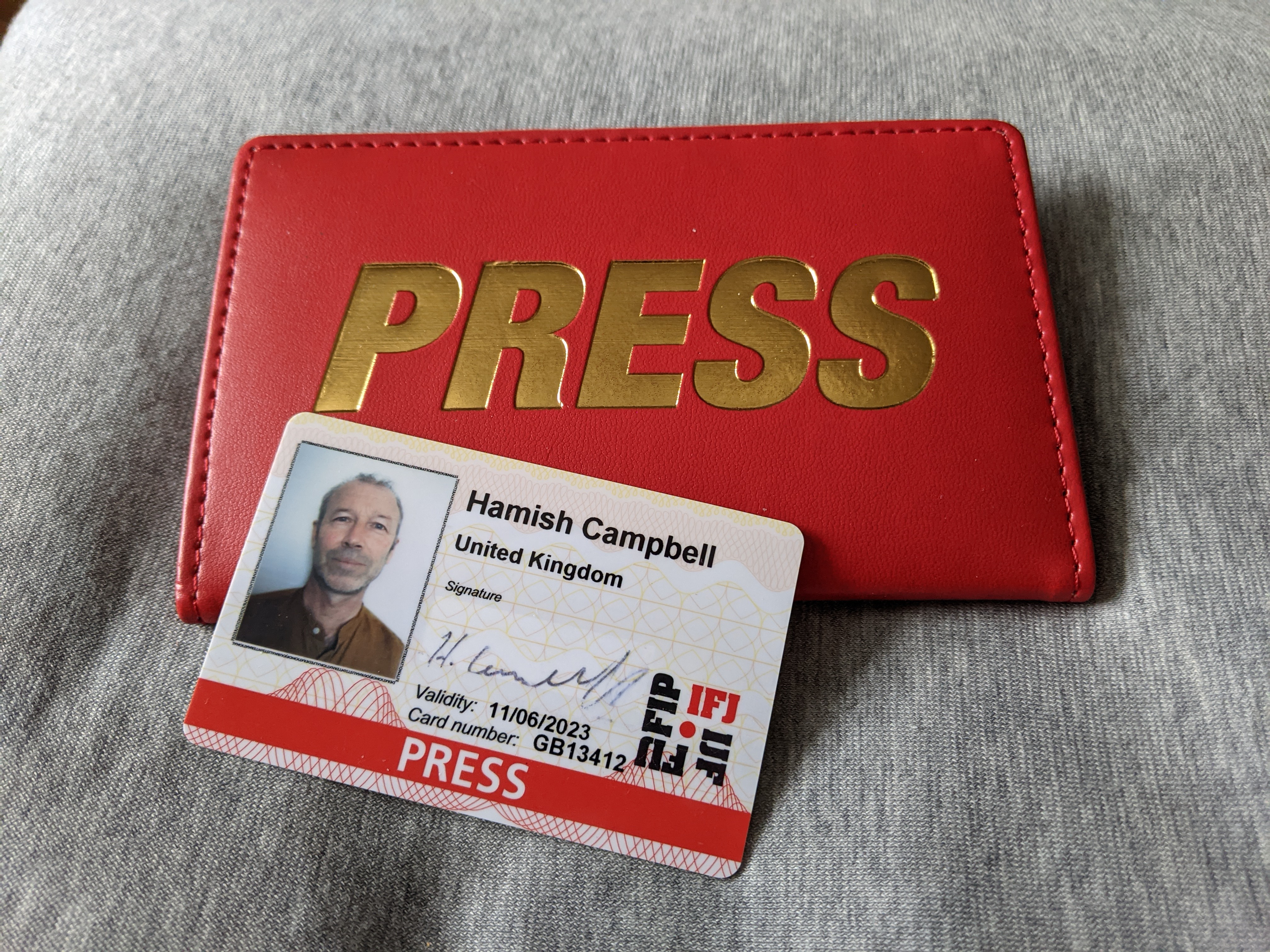
☻
@joho @mkj you're welcome Joaquim.
FYI both @box464 and @joel have written about their experiences migrating their Pixelfed archives to GoToSocial. A Mastodon move should be similar:
Joel's post
🔗 : https://www.tumfatig.net/2025/gotosocial-adventures-migrate-from-pixelfed/
Jeff's post:
🔗 : https://box464.com/posts/gotosocial-slurp/
Wishing you all the best with your move!
☻
boost
☻
> who is "they"?
Governments / legislatures, or those who control pinch points in terms of hardware or BIOS/UEFI.
In essence, the line of thinking is that "just install Linux" is only viable when one can, indeed, install Linux.
☻
@mkj @joho yes I have a self-hosted GtS instance (well they are all self-hosted solo instances for the most part) and LOVE it.
With SLURP you could even migrate your entire Mastodon or Pixelfed post archive to it.
1000% recommended and I plan to write a guide to set it up via YunoHost next month (busy April) 😅
only downside is that it works for "small" accounts so with 3k followers it's getting a little overwhelmed. I fixed it by creating a cron job to restart dnsmasq every 8 hours
☻
@katyswain ❤️ ✨
☻
@seindal awww thank you René 🥰 ❤️
☻
@Steveg58 thank you Steve
☻
@BjornW yes! thank you Bjorn
☻
@jonny thank you jonny ❤️
☻
@ainali 🙌 🎯
☻
@pilum thank you for sharing these beautiful words ❤️
☻
@filiplachert awww thank you Filip ! I have so much work this month that I won't be able to publish a new guide but I want to show how to set up a GoToSocial profile next 😅
☻
@berniethewordsmith 🙌 🙌 🙌
☻
@stepheneb so true! thanks for sharing Stephen ❤️ 🙏
☻
@stepheneb ❤️
☻
☻
@erici absolutely! well said Eric 🙏
☻
@fasnix indeed! so uplifting!!!
☻
@thecityinspeech ❤️❤️❤️
☻
@bookworks très bien !
☻
☻
Nextcloud Snap provides a deployment method for Nextcloud that is easy to install and maintain. 💙
With a user base of over 70k installations, the community-driven project celebrates 10 years of delivering a great Nextcloud experience.
The Nextcloud Snap team welcomes contributors to help test new features and improvements!
Join the project: https://github.com/nextcloud-snap/nextcloud-snap
Nextcloud on Snap Store: https://snapcraft.io/nextcloud
Quote: @scuba
☻
> it's quite easy for people to leave windows and switch to linux.
For *some* people, sure.
For a lot of people, probably not, sadly.
☻
@GoingDownWithSundial Hard to tell on my screen, but you may well be right!
☻
Aw, G. You *are* badass! Wishing you all the best for today.
☻
@GoingDownWithSundial You found the grey heart! :)
☻
@GoingDownWithSundial Good morning! I hope that today is indeed better for you.
☻
@cyberleagle I haven't seen how the survey defined "AI". I use Bayesian spam filtering, but wouldn't consider that "AI" in the sense likely intended here.
(c.f. https://decoded.legal/ai/)
☻
# WireGuard VPN developer can't ship software updates after Microsoft locks account
I should be surprised if Windows will ever be suitable outside niche hobbyist communities with this kind of unreliable behaviour.
Real users need consistency and stability.
☻
…that we know of…
☻
☻
j.b. scoops ice cream, meredith, new hampshire, 1984
☻
I watched that cringe-filled moment. On behalf of the people who share this rock with you, we’re sorry that HE had to be a part of any of your historic journey.
☻
Pro-peace my Asian ass.
☻
☻
Fascists supporting one of their own.
☻
Seriously theres a ton of foxes here, yall are wonderful
☻
A group of foxes is called a̶ ̵s̶k̶u̶l̶k̶ mastodon
☻
DRAFT
The internet’s public square is privatised, algorithmically controlled for “engagement” over any idea of truth, and placed under the control of a handful of American corporations with no accountability to European citizens or values. The #Fediverse is the most credible existing alternative – but it lacks the shared infrastructure to function as a native commons for news and media. #OMN builds that infrastructure: trust-based, community-controlled, transparent, reversible, and owned by nobody. At €45,000 for a proof of concept, it is one of the cheapest possible investments in the long-term health of European digital public life. If it works – and the technical and social groundwork suggests it will – it becomes the plumbing for a Fediverse that can actually be used to serve democratic societies rather than more #techshit alongside the current #dotcons platforms that undermine them.
Why this matters – because the #WWW was stolen – Designed as commons at CERN, decentralised, open, nobody in charge. What we have today is instead is five American corporations controlling the information diet of billions of people. Facebook decides what news you see. YouTube’s algorithm decides which voices get amplified. Twitter/X decides who gets banned. None of these decisions are transparent, accountable, or reversible. They are made by private entities in pursuit of control, advertising revenue and engagement metrics – not truth, not public interest, not democracy.
The #Fediverse exists as a rejection of this, it’s the largest real functioning alternative to corporate social media, with millions of people on thousands of servers, federated together, nobody owning the whole thing. It works. It’s growing. But it has a weakness: it’s kinda fragmented at the commons layer. There’s no shared infrastructure for how news and media actually flows across the network in any trustworthy and coherent way.
That’s the gap #OMN fills, so why should normal people care? Most people don’t think about internet infrastructure. They think about whether they can trust what they read. Whether the news they see is real. Whether the platform they’re on is working for them or selling them. Whether they can do anything when something goes wrong.
Right now the answer to all of those is: it depends entirely on decisions made by people you’ll never meet, for reasons you’ll never know. OMN proposes something different. If your community trusts a source, a trust flow, you see it. If they don’t, you don’t. And that decision is yours, reversible, transparent, locally controlled.
For a journalist in a small country trying to get independent news out, this is the difference between having infrastructure that works for them and being at the mercy of a platform that can deplatform them overnight. For a community archive trying to keep historical memory alive and accessible, this is the difference between dependence on Google’s goodwill and owning your own distribution. For an ordinary person trying to figure out what’s true, this is the difference between an algorithm designed to maximise your outrage and a network shaped by people you actually trust.
Why the EU specifically should fund this. Bureaucracies fund things slowly, in ways that often serve existing power structures rather than challenging them. But digital sovereignty is an existential European concern. The EU has spent years trying to regulate American platforms – GDPR, the Digital Services Act, the Digital Markets Act – and the platforms have responded with compliance theatre, token gestures, and armies of lawyers. Regulation of concentrated private power is a losing path. The only actual answer is to build the alternative infrastructure so that people have somewhere else to go. That’s what the NGI Commons Fund is for and what #OMN does.
The EU should not only be funding products, it needs to fund commons infrastructure – the plumbing that nobody owns and everyone can use. Like funding roads rather than funding a logistics company. The outputs are open source, meaning any European media organisation, any local community, any public institution can pick this up and use it. No lock-in. No dependency on a vendor who will be acquired or shut down.
It’s cheap, with the second stage scaling across Europe with institutional partners, building on European strengths. The Fediverse is disproportionately European. Mastodon was built by a German developer. The culture of digital commons, open standards, and public interest technology is stronger in Europe than anywhere else. This project is native to that tradition. It’s not asking Europe to compete with Silicon Valley on Silicon Valley’s terms – it’s asking Europe to build the alternative on its own terms.
The problem #OMN solves is getting worse, not better. Disinformation, algorithmic radicalisation, platform capture of public discourse – these are not abstract threats. They are actively destabilising European democracies. Funding the technical infrastructure for trustworthy, community-controlled information flows is not a nice-to-have. It is digital public health infrastructure.
Thematic call: NGI Zero Commons Fund
Organisation: Open Media Network (unincorporated community project, fiscal hosting in Belgium via OpenCollective) Country: United Kingdom General Project Information Proposal name: Trust-Based Media Flows for the Fediverse (#OMN) Website / wiki: https://unite.openworlds.info/Open-Media-Network/Open-Media-Network
Abstract
Can you explain the whole project and its expected outcome(s)?
The Open Media Network (#OMN) is a protocol-driven, federated media infrastructure built on top of ActivityPub and the Emissary codebase (emissary.dev). It addresses a real gap in the current Fediverse: while platforms like Mastodon, PeerTube, and Lemmy are federated at the instance level, there is little coherent cross-platform layer for trust-based content flows, moderation, or news aggregation. Each instance operates largely as its own silo, moderation is hierarchical and per-server, and there is no shared commons model for media distribution across the ecosystem. #OMN proposes a minimal, compostable interaction model – the Five Functions (#5F): Publish, Subscribe, Moderate, Rollback, and Edit Metadata – implemented as a flow layer on top of existing Fediverse infrastructure. Content moves through the network as objects flowing through pipes and holding tanks, filtered and shaped by trust relationships between nodes rather than by opaque algorithms or centralised authority.
The central R&D question is: can trust-based moderation and distribution flows replace algorithmic amplification in a federated news ecosystem? Expected outcomes of this first-stage grant: By Month 3: A technical specification of the flow architecture; a prototype flow service routing ActivityPub objects between two instances; documentation of existing Fediverse flow patterns; early integration with one platform (likely PeerTube). By Month 6: A cross-platform prototype connecting at least two Fediverse systems; a working demonstration of trust-based moderation flows; a public code repository and documentation; and a user-facing prototype via the #makinghistory test environment (https://unite.openworlds.info/Open-Media-Network/MakingHistory). All outputs will be released under recognised open source licences. The project follows the #4opens framework: open data, open source, open standards, and open process.
Have you been involved with projects or organisations relevant to this project before?
Yes. The project lead, Hamish Campbell, has over 40 years of experience in grassroots media and technology, including early involvement with Indymedia – the pioneering open publishing news network – and more than 8 years working directly with the Fediverse and ActivityPub community. The #OMN conceptual framework has been developed over this time and is documented extensively in the project wiki, SocialHub, and at https://hamishcampbell.com. Developer Michael has contributed to #OMN concepts and logic for 10 years and is currently building the #makinghistory reference implementation. Ben, the core developer of Emissary, brings specific expertise in the codebase that will form the technical foundation of the project. Alex brings potential DAT/distributed storage support, and IKA will work on testing and rollout.
Requested Support Requested Amount: €45,000
Explain what the requested budget will be used for. Does the project have other funding sources, both past and present? A breakdown in the main tasks with associated effort is appreciated. Make rates explicit. The budget covers a lean, seed-stage proof of concept with no prior external funding. There are currently no other funding sources. The budget breakdown can be found in the attached PDF (funding). Roles: Hamish Campbell (project lead, coordination, documentation, community engagement) and Michael Saunders (primary development, UX, system logic). Additional contributors (Ben, Alex, IKA) are contributing on a voluntary/community basis during this seed phase. Work packages and approximate effort: WP1 Research & Specification (Months 1–2, ~25% of effort): Architecture design, gap analysis of existing Fediverse tools and flows (PeerTube, Lemmy, Mastodon), and documentation of trust-flow patterns. Output: Technical design document. WP2 Core Development (Months 2–5, ~45% of effort): Flow service implementation on top of Emissary; ActivityPub integration for the #5F model; and a trust-based moderation layer extending Emissary’s existing block/flag capabilities. Output: Working prototype codebase. WP3 UX & Prototype (Months 3–5, ~20% of effort): #makinghistory user interface; dual-layer UX (simple and advanced modes); and WCAG 2.1 accessibility compliance. Output: Testable user prototype. WP4 Testing & Documentation (Months 5–6, ~10% of effort): Community testing and iteration; public documentation and reports; and an open knowledge base of what works and what fails. Output: Public documentation, reports, and reusable design patterns. LINK PDF and wiki
Compare your own project with existing or historical efforts.
The closest existing efforts are: Mastodon’s built-in moderation tools: per-instance block lists and the Fediblock community blocklist. These are instance-level tools – they do not create cross-platform trust flows or shared content aggregation. #OMN operates at the network layer, not the instance layer. Fediseer: a trust registry allowing instances to vouch for each other. Fediseer addresses instance-level reputation but does not implement content flow logic, rollback, or metadata editing as network functions. #OMN builds a compostable flow model on top of the kind of trust signals that Fediseer represents. GNU Social / Friendica: older federated social platforms with some aggregation capability. These predate ActivityPub’s consolidation as the dominant standard and do not address the cross-platform news/media commons use case. Indymedia (1999–2010s): the historical precedent for open publishing federated media. Within the wider project, #OMN explicitly revives and modernises the Indymedia model for the ActivityPub era via the #indymediaback reference implementation, addressing the unfinished work of that tradition. The #makinghistory project grows from, and shares, this same established workflow. Bonfire networks: likely related, but unclear in scope and function. Attempts to install and use it have not clarified its approach. It may be trying to address similar problems, but this remains uncertain. The key difference of #OMN: it is not building a new platform. It is building a protocol-level flow layer that works across existing Fediverse platforms, implementing trust-based content propagation as commons infrastructure rather than as a product. See included PDFs.
What are significant technical challenges you expect to solve during the project?
- Trust flow implementation: Designing and implementing a data model for trust relationships between federated nodes that is lightweight, compostable, and expressible via or alongside ActivityPub. Trust is local and subjective – the system must allow different communities to apply different trust filters to the same content flow without requiring global consensus.
- Rollback across federated state: Implementing the rollback function (re-evaluating and reshaping historical content visibility) in a distributed system where content has already propagated to multiple nodes. This requires a time-aware, local re-indexing approach rather than a global delete mechanism.
- Cross-platform content normalisation: Aggregating content objects from Mastodon (short-form social), PeerTube (video), and Lemmy (forum) into a common JSON-LD content model with a consistent trust trail, despite these platforms having different ActivityPub implementations and object schemas.
- Search actors as push feeds: Implementing the “content finds you” model – where a defined search query becomes a persistent ActivityPub actor that pushes matching new content to subscribers – requires extending Emissary’s existing subscribable search engine capability.
Describe the ecosystem of the project, and how you will engage with relevant actors and promote the outcomes. The primary ecosystem is the Fediverse: the network of federated, open-source social platforms running ActivityPub, including Mastodon, PeerTube, Lemmy, Friendica, and many others. This ecosystem has grown substantially (estimated 10+ million active users across thousands of instances) but remains technically fragmented at the commons/media layer. The project builds directly on the Emissary codebase (https://emissary.dev), an existing ActivityPub-native Go application. Engagement with the Emissary community is embedded in the team through Ben’s mentoring role.
Wider ecosystem engagement:
The project will contribute design patterns and documentation back to the broader Fediverse developer community via public code repositories, the project wiki, and events. The #makinghistory test phase connects us to existing archives such as Bishupsgate, Maydyroom, the Peace Museum, and the Campbell Family Archive, providing access to extensive datasets as well as outreach to their administrators and users. The five community events included in the budget are specifically designed to recruit contributors, gather real-world feedback, and expand the network of participating nodes.
Promotion of outcomes:
Outcomes will be shared through the Fediverse itself (maintaining an active presence on ActivityPub-native platforms and legacy social media), via open-licensed documentation, and through NGI/NLnet networks and events. This first-stage grant is explicitly designed as a seed and proof-of-concept phase, with a larger second-stage proposal planned to deliver a fully production-ready system once the core architecture is validated.
See attached PDFs.
Powered by Forgejo
Would like to thank all the people who helped with this.
☻
What a monstrous person.
☻
☻
@phl Good point.
☻
@jankusanagi True. 😪
☻
@glutto Definitely not.
☻
☻
A fierce warrior princess and her favorite shoe brush #CatsOfMastodon
☻
@hugh Fancy!
☻
He said the quiet part out loud. You work for us, not him, Blanche.
☻
@GoingDownWithSundial Oh, I didn't mean it like that! Don't worry, I knew that you were not flirting with me!
☻
(It is not meant as flirting, for avoidance of doubt, as I don't do that, ever. But concern that it could be read that way is why I don't use red.)
☻
That's kind of a big issue to have the two versions not align on. Are there no Persian language experts left on our side?! Or even AI translators?
☻
☻
@brazmogu that is not its actual title >_>
☻
A HUGE THANK YOU to everyone who wrote in to share what they love about the Fediverse.
I had almost 200 replies (all very thoughtful) and I just spent an hour trying to respond to everyone 😅
Off to sleep now, more inspired than ever. Good night everyone! 🌛
☻
@teapot_ben thank you! I'll give it my best 😅
☻
@joergi YESSSSSSS 🙌
☻
@teapot_ben I LOVE THIS SOOO MUCH! Thank you for sharing this Ben ❤️ I'm infused with so much hope after reading this
☻
@cainmark I now feel I need to mention moss 😂 thank you for sharing this!
☻
@janeishly 🙌 🙌 🙌 🙌 🙌 🙌 merci !!! ❤️
☻
@elke merci Elke 😊
☻
@KevinFreitas YESSSSSS 🙌
☻
@delcano 🙌 ❤️
☻
@noodlemaz yes!!! 🙌
☻
@blogdiva awww I love this liza 💖 thank you for sharing these thoughts (and for being here!)
☻
@leanderlindahl beautiful words Leander, thanks for sharing 🙏
☻
@BotaFlo 🙌
☻
@3Fingers this is so true and chilling. thank you for sharing and sending you a big hug
☻
@LisaBanana awww 😂 your comment just made my day Lisa, thank you! 🥰
I look forward to a future playdate with our little ones ❤️
☻
@knowprose thank you 🙏
☻
@steff thank you 🙏
☻
@hikingdude thank you Franz ! ❤️ 🙏
☻
@Armavica merci !
☻
@thomas 🎯 ❤️
☻
@fresseng thank you Nicolas ! 🙏
☻
@juergen_hubert absolutely 🙌
☻
@shom "the original promise of the internet" is at the heart of my presentation ❤️
☻
@worldwidewerner beautifully said!
☻
@emeline aw merci Emeline 🙈
☻
@JHein thank you!
☻
yes, you kill god at the end
☻
@gabrielesvelto oh my god
☻
This man needs to resign his position in Congress now.
☻
@halcy absolutely 🙌
☻
@jabgoe2089 thank you!
☻
@nixCraft thank you ! I got the OK to take photos so I take very seriously my role as unofficial marketing department for the Fediverse, LOL 😅 (the venue is simply STUNNING)
☻
@tfardet merci !!!!! ❤️
☻
@tshirtman merci Gabriel 🙏
☻
@stefan thank you Stefan ❤️
☻
@MichelPatrice merci Michel ❤️ 🙌
☻
@Vive_Levant merci !
☻
☻
☻
i have finally worked out a complete plot outline for the "covid: the jrpg" game i'm never actually going to make
(its a jrpg where theres a pervasive plague with a death cult around it with themes like eugenics, the banality of evil, and mooorrreeee)
☻
@ykweyer 🙌 ❤️
☻
@ainmosni yes 🙌
☻
@lutzen merci ! ❤️
☻
@sarajw I LOVE this, thank you Sara ❤️
☻
@romain_leclaire ha merci Romain, je vais le lire au plus vite ❤️
☻
@yon i dunno, there's few things that give me more comfort in life than good food
and i imagine that is diminished significantly if you can't taste or smell
☻
☻
@psoul wow !!! ❤️
☻
☻
@10tothe22 ha, yes! ❤️
☻
@AnnaPampelMuse excellent point !
☻
@kimlockhartga thank you Kim. The pressure is real 😅 I hope I'll do a good job
☻
@nizarus ouiiiii 🙌
☻
@benroyce merci Ben ! (bonus points for the French translation) 🙌
☻
@graffin ouiiii ! 🙌
☻
@aoeBerlin yes!
☻
@rHAdlerin merci !!!
☻
@sknob ha ! c'est tellement vrai 🥲
☻
@Leefromphilly thank you Lee
☻
@Showitt so true! and thank you!
☻
@spacehobo absolutely! thank you for sharing this, I agree 1000%
☻
@snowgaze yes!!! 🙌
☻
@elmine @sturmsucht absolutely, brilliantly said
☻
@s1m0n4 merci !!!! 🙌 ❤️
☻
@WestLawns 😹 😻
☻
@Eetschrijver 1000% merci pour ces paroles inspirantes
☻
@emjonaitis absolument 🙌
☻
@paco haha so true!
☻
☻
@rysiek brilliantly said 🙌
☻
@Edent yes! 🙌
☻
@noonerust merci!!!!
☻
@Veza85UE ❤️ 🙌
☻
I sometimes still get stupid comments.
https://freethoughtblogs.com/pharyngula/2026/04/08/the-dumb-ones-keep-coming-back/
☻
@joncounts so true ❤️
☻
@macfranc grazie / merci !
☻
@Blf_tpe merci !
☻
@sasu thank you, beautifully said
☻
☻
:neocat_nom_cookie:
☻
As Trump’s approval falls amid his war in Iran, even some supporters are rethinking their loyalty, others deflect, others double down. Todd Beeton examines what this moment reveals. Also, new Epstein revelations from Gloria Horton-Young, and Jay Kuo on how MAGA tried to implement Orbán’s playbook here at home. https://thinkbigpicture.substack.com/p/week-big-picture-april-8
☻
New #artemis II moon pic just came in
☻
The biting will continue until morale improves
☻
☻
@ellie am curious too
☻
@dianea me under my 5 weighted blankets
☻
@glassbottommeg @pawv oh i don't have personal experience but in a dev chat i'm in i've been regaled with many an unreal reflection horror story
☻
@cwebber is lisp fast because tail calls are trivial and ubiquitous or is it just fast
☻
@mandelhorn good :3
☻
@foone i love it when i accidentally make a shitpost that actually makes sense
☻
can we actually be sure its 2026
like
what if they just forgot to count a year or two along the way. what if its actually like 2031 and we don't even know it
☻
@glassbottommeg oh nooooo
☻
@BathysphereHat i have asked and will keep you updated
☻
@BathysphereHat do you want me to ask the one person i know who is actually an uruguay native
☻
@Aradayn kinda painted myself in a corner with all the localization lol. can't really make anything that requires text without having to get a buncha translations done
☻
I don't find the idea that the building blocks of life fell out of the sky at all credible, when we've got these oceans that provide a better source material.
https://freethoughtblogs.com/pharyngula/2026/04/08/life-from-space-i-have-questions/
☻
Why did he have to make it weird? https://www.comicsands.com/trump-artemis-technical-glitch?utm_source=mastodon&utm_medium=infeed&utm_campaign=linkprogram
☻
@PepperTheVixen @x0 huh, what version of Windows was this?
-Kl
☻
@PepperTheVixen @x0 I know I've been able to assign drive letters to partitions via diskpart before using: select part (partnumber) and then assign --letter=(driveLetter). At least I think that's right. I might be messing up that command a bit though.
-Kl
☻
@_elena What makes the fediverse special to me comes down to a few core differences from corporate social platforms.
First, control. On the fediverse, I decide what I see and what I don’t. Corporate platforms are built around engagement algorithms designed to keep you scrolling, clicking, and reacting. That usually means being shown whatever is most likely to provoke a response — often outrage, conflict, or sensational content. Advertising is also baked into that model, because those platforms exist primarily to generate revenue.
The fediverse works differently. There’s no global engagement algorithm deciding what deserves your attention. Instead, you follow people, hashtags, or communities you actually care about. That alone changes the experience dramatically. You're not being pushed toward content designed to manipulate your attention — you're choosing your environment.
That leads directly to the second reason: the tone and atmosphere. When I use the fediverse, I’m not stepping into a constant stream of negativity. If I make a post, the people who see it are usually those who chose to follow me or share similar interests. That tends to produce more thoughtful, constructive, and positive interactions. Likewise, what I read is content I intentionally opted into, which creates a healthier and more welcoming social space overall.
Finally, ownership and autonomy. On the fediverse, no single corporation owns your voice. Your posts aren’t controlled by a company, a billionaire, or a centralized platform. Your instance may have moderation policies, but your content ultimately belongs to you. Privacy is also built into the structure itself. If you post to followers-only, only your followers see it. If you post directly, only the mentioned people see it. That behavior isn’t an afterthought — it’s part of how the system was designed from the start.
Ultimately, the fediverse is built by users, for users. It isn’t controlled by a single entity, and that decentralization creates something rare: a social space shaped by communities instead of profit motives. That’s what makes it special.
☻
☻
@_elena It feels durable in a way that other platforms aren't - individual instances might go down, but the wider, federated whole continues without a blip.
☻
@_elena My Fedi story changed my life. I've always had bad teeth. Over time I've had many pulled; been w/o molars on the bottom & 1 side of the top forever. Had to be careful eating focusing on soft foods to avoid choking. Gone to US dentists for implants & got 2 estimates at $60,000 US WITH insurance which I can't afford. 2 years ago, a Fedifriend posted: if you need high quality lowcost dentalcare let me know." She sent details & I've been going to Spain for my whole mouth for 1/4 the US cost.
☻
@_elena I've met a handful of people from here in person, just from finding local folks I have more things in common with than anyone I found on corporate social media. I've also met with friends from here who have visited my city. (mon français est terrible, je suis désolé)
☻
@_elena Ça répète sans doute un peu ce que d’autres ont dit, mais pour moi un point très important est que ça n’appartient pas à un milliardaire, ni a personne, y’a une souveraineté sur nos données, à l’échelle désirée, et on peut bouger de l’une a l’autre sans trop trop de contraintes, donc on est pas coincé par l’effet réseau. Les implications sur la modérations sont complexes, mais saines, pas besoin de forcer tout le monde a avoir la même, on trouve où ça nous va.
☻
@deepsy Yes, exactly this.
☻
@catsalad Underloaf.
☻
@oblomov just wondering what the percentages look like
not every game has controller support. some games are just not made for one
☻
@ConstanzeScheib
Ach so. Ich muss ehrlich sagen, ich finde das als Adjektiv verwirrend. Wenn es nicht aus dem Kontext heraus klar wird, würde ich mich an dieser Stelle beim Lesen also fragen: "Bitte was?"
Mich erinnert das nämlich als erstes an "pinkeln", also Urin ablassen, und da habe ich mich dann gefragt, was soll denn bitte "feines Pinkeln" sein, bzw. in deiner Adjektivform wird es für mich nicht klarer.
☻
@carmilladewinter @rootsandcalluses @svenja
Ja, ich habe auch bei zwei Verlagen eigene Buchveröffentlichungen, und ansonsten viel im Selfpublishing.
☻
@deepsy
It does not only break my heart. For me, there is more to it. I think it is an incredible brave and rebellious thing to do, to keep doing what you love doing (in this case, playing music) amidst ruins and destruction.
As if he would say, "Fuck these war mongers, I won't let them take my music from me."
There is a Spanish proverb which goes, "Nobody can take away from me what I have danced." So that's art as a form of rebellion, in my eyes.
☻
I don't always cry because I am sad. I also cry in a positive way, for instance when I see people's solidarity for a good cause, like your example with the protest. Because this moves me and it gives me hope.
☻
@rootsandcalluses @svenja
Rein theoretisch könntest du ja verschiedene Genres bei verschiedenen Verlagen verlegen, Kate.
Es gibt meines Wissens nach keine Verlagsbindung, die dich zwingt, nur bei einem Verlag zu verlegen. Ich schätze auch, das wäre rechtlich gesehen nicht okay.
Ich kenne außerdem einige Autor*innen, die bei verschiedenen Kleinverlagen ihre Bücher veröffentlicht haben, teilweise in Kombi mit Selfpublishing.
☻
@ConstanzeScheib Ich habe keine Ahnung, was das ist. Vermutlich ein regionaler Begriff, den ich norddeutsches Küstenkind nicht kenne?
☻
I often cry these days. No, it's not a depression, it's the events happening globally.
Today, I have seen a short video of an Iranian music teacher who sits in the ruins of his music school, with his instrument, saying, "I don't want the last sound coming from my destroyed music school to be bombs and missiles."
He then starts to play his instrument. Here is his video.
https://imginn.com/p/DW1vS4wiRf7/
☻
Und mittlerweile gibt es ja in Teilen der Buchbranche einen immensen Druck für Autorys, möglichst schnell und viel zu schreiben.
Ganz ehrlich, ich würde daran kaputt gehen, bzw. Burnout oder Depressionen bekommen. Ich kenne auch mehrere Autor*innen, die Burnout hatten oder aktuell haben. 😔
Zum Glück werden nun auch Stimmen laut, dass Autor*innen doch bitte wieder mehr Zeit bekommen sollen, um ihre Bücher zu schreiben.
☻
Ich bin echt froh, dass ich wieder ganz ohne Zeitdruck schreiben kann. Ich habe mal drei Bücher für einen Verlag geschrieben, da gab es feste Abgabetermine. Ich habe es hinbekommen und habe die Manuskripte auch gern geschrieben, aber ich mochte den Druck dabei nicht. Ich kann nämlich unter Zeitdruck nicht gut arbeiten.
1/2
☻
hey fellow indies who have a game on steam with controller support, can you do me a favor? pull up your game on partner.steampowered.com, set it to all history, click controller stats and tell me what it says under the column "Percentage of Total Sessions" for the row "Steam Deck/Steam Controller"
☻
@slowtiger
Danke für den Hinweis.
☻
There are a ton on the site and the #Fediverse accounts use any that are useful https://hamishcampbell.com
☻
#Frage
Falls ihr Discord ebenfalls über einen Webbrowser aufruft, ist das bei euch auch so kompliziert wie bei mir?
2/2
☻
Stehe zurzeit auf Kriegsfuß mit #Discord
Ich habe das nur via Webbrowser und jedes fucking Mal, wenn ich mich da einloggen möchte muss ich ...
1. mich verifizieren via einer E-Mail
2. bestätigen, dass ich ein Mensch bin
3. neuerdings auch noch eine bildliche Aufgabe lösen, die mich an IQ-Tests erinnert und ich bin darin nicht gut
... bevor ich mich endlich einloggen kann.
Sicherheitsmaßnahmen sind was Feines, aber das ist ein bisschen viel.
1/2
☻
A #Kickstarter #Crowdfunding for two queer #anthologies by the indie press @dppunforth :
https://www.kickstarter.com/projects/duckprintspress/ducks-in-a-row-curated-collections-of-queer-stories
🏳️🌈
#reading #lgbtiaq #fedibooks #books
☻
What if media was just flows of content that communities shaped themselves? No algorithmic feeds, no platform lock-in, no hidden control. That's what we're building with #OMN — infrastructure for a democratic digital commons. #openweb #Fediverse
☻
This is fun, not a strategy of purity or perfection, it’s a strategy of survival, and even joy. The story: power, truth, and walking the fun path https://hamishcampbell.com/the-story-power-truth-and-walking-the-fun-path/
☻
It’s important to recognise that friction – the mess, the slowness, the need for constant negotiation – is not a flaw in native paths, it’s a virtue. A guide for staying honest and native https://hamishcampbell.com/a-guide-for-staying-honest-and-native/
☻
@Luna_wolf Sometimes We're not okay, sometimes, we are just struggleing. And that is okay. It's okay not to be okay.
☻
@xeno scary :ablobcatcry:
☻
New government-funded program that provides everyone with a skirt, free of charge
☻
Did the work for my class remotely today. So now I'm in that state of hay there's know one around, but I totally want to talk with creatures. So if you wanna babble about anything, and especially if you wanna hop on a voice chat to do said babbling, then feel free to reach out. Text is welcome too if that's all you can manage.
-An & -Ki & basicly everyone else.
☻
☻
How can i become a MILF without having any kids? (I'm a guy btw)
☻
Somebody told him no, and he folded.
https://freethoughtblogs.com/pharyngula/2026/04/07/he-always-chickens-out-good/
☻
Can't sleep because of the news, so I started watching Heather Cox Richardson's latest video where she analyses Trump's threats. I can recommend her channel, she does does factual analyses, with no clickbaits and such.
https://www.youtube.com/watch?v=3Z3l_ead5mc
She also explains that Trump is mentally unstable and his health is deterioriating fast.
☻
When you don't like the question, attack the questioner.
☻
☻
Das ist ein gute Antwort. Ich hoffe sehr, dass wir als Gesellschaft mal dahin kommen, dass niemand mehr von Frauen oder afab Personen erwartet, dass sie ihre männlichen Partner erziehen. Sondern dass eine wirklich konstruktive Erziehung schon im Kindesalter stattfindet.
☻
If you don't want to just sit shock-frozen at the latest news, but would like to sign a #petition, here is a a suggestion:
"Impeach Trump NOW"
https://action.eko.org/a/impeach-trump-now-1
☻
Ja, das mit diesen gesellschaftlichen Anforderungen ist so furchtbar. Ich erinnere mich an mehrere Gespräche, in denen andere Frauen mehr oder weniger scherzhaft gesagt haben, sie würden ihre Männer ja "erziehen" müssen, bzw. ich wurde auch mal allen Ernstes gefragt, ob ich meinen Partner (meinen Ex) nicht gut erzogen hätte.
Das ist doch nicht meine Aufgabe. Oder wie Julia Roberts mal gesagt hat: "You want a partner, not a social project."
☻
And we all know the truth about that.
☻
@quidcumque
Das tut mir sehr leid für deine Freundin und dich.
Ich muss gerade an etwas denken, das mir meine sozialpsychiatr. Betreuerin neulich gesagt hat, ich zitiere mal sinngemäß:
"Auch wenn wir manche Entscheidungen unserer Familienmitglieder oder Freund*innen nicht gutheißen oder anders handeln würden - es sind erwachsene, mündige Menschen, die ihre eigenen Entscheidungen treffen. Und da müssen wir es manchmal aushalten, dass sie Dinge tun, zu denen wir nicht raten würden."
☻
Planning on making a home server, might even make my own instance too
☻
They can't come fast enough.
☻
There’s a playbook for what’s happening in the U.S., and it’s been running for 15 years in Hungary under Viktor Orbán. Leaders of the MAGA movement didn’t just notice it. They studied it. Celebrated it. And said openly they wanted to bring parts of it here. Now Orbán faces his first real electoral threat in years. What happens next may offer a preview of what American politics could look like heading into November. https://thinkbigpicture.substack.com/p/viktor-orban-trump-maga-power
☻
☻
@rogeliop Beyond.
☻
@herrLorenz Maybe that'll convince him.
☻
@barryjsullivan History repeats itself.
☻
@alex_p_roe Indeed.
☻
@ChrisHolladay Nailed it.
☻
☻
Like her jacket once said, I don't think she's really cares at all.
☻
First of all, who brags about getting along well with a murderous despot like Kim Jong-un?!
☻
☻
@GoemonIshikawa I know very little about this since I looked into it once and got "This isn't accessible." But I'd definitely want to see this made accessible to all!
-An
☻
@[email protected] @[email protected] I guess it might trigger some in the US to have compassion for the people of e.g. Russia when they want to hold the entirety of the people of Russia for the Ukraine ordeal. Either way, this is all very grim.
☻
This post provides an overview of the challenges and successes experienced by grassroots activists during this time period, focusing on the evolution of the #openweb and its eventual decline. The Rise and Fall of Grassroots #openweb Activism in the UK https://hamishcampbell.com/the-rise-and-fall-of-grassroots-activism-in-the-uk-a-40-year-retrospective-on-the-openweb/
☻
Listen to the doctors. He's simply not all there.
☻
Test
☻
☻
The spiders are still camera-shy.
https://freethoughtblogs.com/pharyngula/2026/04/07/ive-had-few-opportunities-to-photograph-spiders/
☻
We do keep making a mess of our social, campaigning and activist paths. Commons and the metaphor of “grow a backbone” https://hamishcampbell.com/the-metaphor-of-grow-a-backbone/
☻
Prediction: Iran will still exist tomorrow.
☻
What happened over the last ten years on our Fediverse path https://hamishcampbell.com/what-happened-over-the-last-ten-years-on-our-fediverse-path/ The rapid growth of the Fediverse brought in many people without any grounding in “native” #openweb culture.
☻
Oh, OK Canada, we'll stay on our side of the border for now.
https://freethoughtblogs.com/pharyngula/2026/04/07/are-you-relieved-canada/
☻
@jsbarretto this may be too hardcore for me >_>
☻
@lisyarus yeah but how much RAM a program takes is pretty tricky to gauge on a modern system
☻
The first steps were good. #Socialhub emerged as a genuinely grassroots space, shaped to maintain the integrity of the #activertypub native reboot. It grew directly out of the #activertypub affinity group itself – rooted in lived practice rather than imposed structure.
So what motivated this native path? The current #openweb reboot wasn’t exactly planned – it was, in many ways, serendipitous. During the #WC3 process, the usual mainstream players were largely absent. That gap created space for an alternative cohort to step in and shape things in a more “native” way. This is rare. Normally, these processes are dominated by institutional and corporate interests, but for a moment, we had something different – and it worked.
From that strong beginning, #Socialhub grew into a real, functioning community. Its high point was during the Fediverse outreach to the EU, when there was a sense of shared purpose and direction. The social and technical sides were in balance, and the space felt alive, open, and productive. But over time, things shifted.
The rapid growth of the Fediverse brought in many people without any grounding in “native” #openweb culture. The influx – particularly from Twitter – changed the tone and priorities. This wasn’t entirely negative; growth always brings energy and diversity. But it also brought confusion, and a drift away from the original focus.
At the same time, there was a strong, increasingly dogmatic shift toward the technical side of #activertypub, at the expense of the social layer that made it meaningful. The balance tipped. The core crew thinned out, and newer, more tech-focused contributors filled the space. This mirrored the rebooting of the #WC3 process, and the two together created a difficult, often unspoken tension over direction and responsibility. Governance also became an issue. The line:
“To use the forum, you must agree to these terms with Petites Singularités, the company that runs the forum.”
Made visible something that had been quietly present for a while: this was not, in practice, a community-owned space. It had an owner, with an agenda. What had been presented as a shared, grassroots commons was, structurally, something else?
This marks a deeper shift – from serendipitous emergence to more deliberate control.
A short update: how we are failing
We didn’t fail because of bad intent. We fail because we didn’t hold onto the balance that made the space work.
- We allowed the social layer to be sidelined by the technical.
- We didn’t build clear, native governance while we still had the chance.
- We mistook growth for success, without mediating the cultural shift it brought.
- We let ownership and control consolidate quietly, instead of addressing it openly.
- And when tensions emerged, we defaulted to avoidance and #BLOCKING, rather than doing the messy work of resolution.
In short, we lost the thread of the #openweb path by not actively maintaining it.
Where that leaves us now? We are now in a more complex, more conflicted space. The community is bigger, but less coherent. The vision is more diluted, but still present, if we choose to pick it up again.
The solution isn’t simple. It likely involves some form of real, lived democracy, and a return to explicitly valuing the social processes alongside the technical ones. And maybe the only solid ground we still have is this: Grassroots is always messy, that mess isn’t a flaw – it’s how you know it’s real. The challenge is not to remove the mess, but to hold it together well enough that it can still grow.

https://hamishcampbell.com/the-value-of-the-fediverse-comes-from-its-cultural-roots-in-the-openweb/
https://hamishcampbell.com/the-digital-commons-the-ground-we-already-stand-on/
☻
@root42 do you have to attend in person to submit? (i checked the site and couldn't find any info on that)
☻
@0x0961h but i don't wanna host a game jam 😩
☻
We could all use a helping hand sometimes.
☻
TIL: Jean Pain and his OGL living methods
DDG: The Methods of Jean Pain for a free pdf
Overview:
Pain was a Frenchman who used compost to power his life 🛖
Decomposition of compost leads to thermal energy, used to heat water (60℃)🌡️
Decomposition releases methane used to fuel natural gas oven and car (90km) 🚗
Raking leads to less dead matter on forest floor, prevent forest fires 🐻
Once finished, the composed returns to the land to supply nutrients for new growth 🌲🪴
☻
Be gay do fashion. :8bitrainbow:
https://teamlocker.squadlocker.com/#/lockers/gayint-2968078
Disclosure: We set the store up for no profits. We make no money off of sales here. The only information we get from purchases is order number, date of purchase, name used, number of items ordered, and total cost of the order.
Also, at this time, shipments are only available to US and Canada addresses.
☻
Life is too short to wear uncomfortable shoes. And yet, life is also too short to wear ugly shoes. What to do...
☻
In the coming era of #climatechaos the problem of #mainstreaming thinking and people will become a MUCH bigger issue that we need to mediate. The "common sense" they often bring is the #deathcult a strong problem we do need to do something with, the #NGO crew and "activists" who worship this cult.
There is also the issue that needs mediating of the parasitic activists who push #fahernista paths in the grassroots movements. These guys are BAD friends, there are a lot of them. They are "native" being a part of the tribe, in this it's a question of balance to take a good path.
OK, what more can we say on this?
☻
I wish I could be this far away from this planet.
https://freethoughtblogs.com/pharyngula/2026/04/06/far-far-away/
☻
When someone is mean to you, its because you're cute and they are exhibiting cuteness aggression
☻
I keep hearing "mastodon isn't good for [type of celebrity], they have to go to [other platform] for engagement"
It's not the celebrity type [scicom personality, journalist, author] it's the attempt to run a celebrity account at all that doesn't work on the fedi.
There are heaps of well known people on the fedi. Either it's not obvious that's their day job or they're just quietly being that in among posts about walking their dog. Coming to the fedi trying to sell your day job and hoping people will 'engage' is odd. Like going to the playground or the museum and being mad that bystanders didn't engage your about your day job despite the sandwich board you're wearing and your refusal to talk about any other topic.
Going into a social environment broadcasting [📢this is my content, engage with it📢] is an obvious recipe for disappointment. No one cares about the things you're broadcasting. Show us your dog. Did they have a nice walk?
☻
@projektmyra Danke, ich schaue mir das mal näher an.
☻
I couldn't stand Sapiens, but I'll read Holly Dunsworth's critique.
https://freethoughtblogs.com/pharyngula/2026/04/06/dr-dunsworth-is-good-at-this/
☻
I'm working in the movie business! Sort of. And not very well.
https://freethoughtblogs.com/pharyngula/2026/04/06/im-in-show-business/
☻
@scottjenson a few points to consider, I suppose.
1. What if the voices aren’t welcome because of what they say being antithetical to the values of the Fediverse?
2. Why is *more* always the goal? I have more human interactions on here with <10k followers than I do on other platforms with 100k+
3. Most people are welcome here, it isn’t pollution because there’s no algorithm to present those people to me. It’s far from perfect here, but is natural that smaller, more ideologically driven communities are more politically-minded, and prepared to stand on principle if they disagree with someone’s politics.
4. Journalists unquestioningly hyping a failing technology aren’t in journalism, they’re in marketing
5. Maybe that technology isn’t welcome in real communities because it is inherently harmful, built primarily on theft of our labour and creative output, and only serves to enrich the Big 4/5/6 etc. Many of us moved here to get out of their orbit.
6. I hope you didn’t just compare people not wanting to listen to corporate mouthpieces to marginalised communities being mistreated. Truly through the looking glass if so.
☻
Normalise mess: show that not everything has to be controlled to work. Messy, lived processes are not failure, they’re how real communities function.
☻
☻
https://www.youtube.com/watch?v=Gcm-tOGiva0
You would have to be an #asshole to unthinkingly disagree with what we are doing and pretty wise to thinkingly disagree with the path. Which one are you? So why are we in such a mess? Because people are acting from fear. Not always consciously, not always honestly – but fear is the driver.
- Fear of losing control.
- Fear of losing status.
- Fear of uncertainty.
- Fear of each other.
And when fear leads, people grasp for control. They close things down, centralise, gatekeep, and default to the safe, known paths of the #closedweb and institutional power. That’s how we get the current mess – top-down structures trying to manage what was meant to be lived, messy, and shared.
In #OMN terms, this isn’t a technical failure, it’s a cultural one. A failure to hold open processes in the face of discomfort. So how do we mediate this fear?
Not by pretending it isn’t there. And not by fighting it head-on – that just feeds it. We mediate fear by building trust through practice:
- Keep things open (#4opens): transparency reduces fear of hidden agendas. When people can see what’s happening, they relax.
- Lower the stakes: small, reversible steps instead of big, risky commitments. Let people edge in rather than jump.
- Normalise mess: show that not everything has to be controlled to work. Messy, lived processes are not failure, they’re how real communities function.
- Create shared doing: fear shrinks when people work together on tangible tasks. Composting, media, infrastructure – doing builds trust faster than talking.
- Hold both fluffy and spiky: the fluffy path makes space for people to come in; the spiky path protects that space from being captured or hollowed out. You need both, visibly and honestly.
- Refuse false clarity: the #dotcons sell certainty and simplicity. The #openweb is different, it’s about holding complexity without collapsing into control.
And maybe most importantly, stay present. Fear thrives in abstraction, it weakens in lived, grounded relationships. In the end, mediating fear isn’t about convincing people with arguments. It’s about creating environments where fear has less reason to exist.
This is the same dynamic you can see with Oxford boaters. The river culture is native, messy, negotiated, based on lived practice and mutual understanding. People want the freedom to move, to live lightly, and not be bound by rigid landlord rules. But when outside structures push in – formal control, ownership models, enforcement – they reshape that culture into something else. The tension isn’t really about rules or functions; it’s about which culture gets to define the space.
That’s the real work of #OMN: not only building tools, but growing the social soil where people feel able to act without retreating into control.

☻
When we build networks this way, we decentralize power, not just servers. The #OMN Path: Openness as Revolution https://hamishcampbell.com/the-omn-path-openness-as-revolution/ Balancing the #fluffy (care, empathy, collaboration) and the #spiky (truth, resistance, boundaries).
☻
@queenofsquiggles Well... I was unable to really figure out who you were in the content, but everyone sounds super good so I'm sure you do too.
If you wanna help out:
https://dragonscave.space/@dragonwolfsp/116150008345744364
-An
☻
Happy easter to those who celebrate, and to those who celebrate alown or with a family who doesn't know them , and thusly are alown. I hear you, and I wish you to know that you are not alown in trueth, for I understand, and I am here.
-Kl & -No
☻
I would not have known it was Easter, if not for the joyous voices of its celebrants.
☻
A green #mainstreaming look at a path out of this. #ClimateChaos who is responsible? https://hamishcampbell.com/whos-responsible-climatechaos/
☻
Adobe secretly modifies your hosts file for the stupidest reason
If you're using Windows or macOS and have Adobe Creative Cloud installed, you may want to take a peek at your hosts file. It turns out Adobe adds a bunch of entries into the hosts file, for a very stupid reason.
I found that in my hosts file the other day too, and I investigated to find why they're doing
☻
☻
Enclosure of the open web was a crime https://hamishcampbell.com/enclosure-of-the-openweb/ It wasn’t perfect, but it was a space of possibilities, commons, where you could take what you needed and leave something behind, hyperlink by hyperlink.
☻
Es ist wieder #BücherSonntag
So geht’s:
Du hast ein #Buch veröffentlicht, rezensiert oder gelesen? Du möchtest ein Buch empfehlen oder bist auf der Suche nach #Buchempfehlungen? Alle Genres der #Belletristik und #Sachbücher sind willkommen, ebenso buchige Termine aller Art, z.B. eine #Buchmesse , eine #Lesung oder etwas anderes, bzw. andere Themen rund um Buchiges.
#Rezension #Buchblog #Schreibcommunity #Lesen #Buch #Literatur
☻
When I say I'm a hat bitch, this is what I mean. #HatBitch #ElderGoth #GothMom
☻
☻
I love my femboy girlfriend
☻
Bought a motherboard so i can finally try and set up a home server..... and i forgor to buy any storage :blobcat_thisisfine:
☻
@bookandswordblog Either that or conquistadors brought their findings that they plundered back from the new world, the Church hid such blasphemy and it eventually leaked out.
Keeping in mind that the Mayans understood complex mathematics in addition to their concept of zero, base 20 numerics and their astronomical calculations.
☻
Time to slightly update my #introduction as it's now four years later.
I'm Julian (he/him), a software developer and writer who's spent most of his life on the Canadian prairies (SK & MB).
Twenty years ago I dropped out of my PhD & now work as a software developer. In the evenings I play guitar, viola, and horn, and neglect my poor flute. I play horn in the Winnipeg Video Game Orchestra. I write poetry and code games. I'm hoping to start running again soon. Pleased to meet you!
☻
The Lady Catherine and Nibbler were curious about the crap on my head for this week's EEG. But since I'm a hat bitch, they're also used to it. #caturday #CatsOfMastodon #TheLadyCatherine #CatherineLadyDarlington #TheLadyCatherineAndNibbler #catstodon #CatsOfTheFediverse #Fedicats #Nibbler
☻
The "anti-war president" now says the only thing the federal government should do is war. Definitely not child care. Or medicaid/medicare. Or science.
https://freethoughtblogs.com/pharyngula/2026/04/04/the-man-is-insane/
☻
Minnesota…"April". It does not mean what you think it means.
☻
I've made some pretty bad decisions in my life, but you can rest assured they will only get worse
☻
@girov gesundheit!
☻
How sweet. I got a "grateful" card.
https://freethoughtblogs.com/pharyngula/2026/04/03/i-got-a-nice-little-card/
☻
Artemis 2 astronaut pulls the "No atheists on top of rockets" maneuver and kills my interest in his mission. Screw you, Victor Glover.
☻
After nearly 3 month in the making, my current project is "finished" (there is still a lot to improve), so here is another #notQuiteWeekly projects update.
I build a lamp, inspired by a flower blossom, made from plywood with 3D printed parts. I designed the project in #OpenSCAD and printed out templates to use with a router to cut out the parts. 🧵
☻
Hope this helps compost some of the mess building up. It’s something we all need to do and have responsibility for.
Groups don’t usually fail because of external pressure, they fail because they turn inward and burn energy on themselves. If you want a calm, #KISS path that actually holds diversity without collapsing, we need a few simple lived – traditions and mythos – not heavy governance, not ideology battles, just grounded #KISS practice:
- Keep the core action very small and clear – a shared purpose. If people can’t easily answer “what are we doing?”, drift and conflict creep in.
- In twine “doing” with “talking” Most infighting comes from too much abstract discussion. Doing space – Talking space – Don’t let one swamp the other.
- Protect focus like it’s fragile (because it is), the biggest risk isn’t disagreement – it’s distraction. When things start spiralling bring it back to “what are we building this week?” if it doesn’t help, park it
- Default to trust, but design for friction, diversity is strength. But unbalanced diversity = chaos. So let people approach things differently, but require shared outputs – If it doesn’t produce something, it doesn’t dominate attention.
- No purity tests, this is where diversity dies. People will come with different politics, paths (fluffy vs spiky) and have different priorities, that’s fine – as long as they don’t block others doing the work.
- Make conflict low-energy, not zero-conflict – we won’t avoid disagreements. Trying repression = explosion later. Instead, keep arguments short, move unresolved tension into parallel paths (“try both”) and let results decide, not personalities. This is the “compost” approach we need to talk about – don’t fight the mess, process it.
- Grow by doing, not convincing, you don’t need everyone to agree. You need visible, working examples. Let people see it working – that’s what grows a community of action.
What we are sketching and building is the hard middle path of not rigid control (kills growth) and not total openness (creates chaos). But a light structure that keeps things moving.

#Oxford example:
Oxford boaters are sovereign, keeping the free-flowing life of the river, not bound by the old rules of the landlords.
#Fediverse example:
The Fediverse is native to the #openweb path. We judge by the #4opens, and walk with power.
☻
Talking about the #geekproblem in #openweb funding https://hamishcampbell.com/talking-about-the-geekproblem-in-openweb-funding/ None of this is new, I like meany people been banging this drum since the #indymedia days and writing about it for decades.
☻
Video Faslane Peace Camp https://hamishcampbell.com/video-faslane-peace-camp/ Just down the road is a huge nuclear missile base - something we clearly need to do something about.
☻
We Don’t Need More Liberal Techno-Utopianism https://hamishcampbell.com/we-dont-need-more-liberal-techno-utopianism/ We’ve seen what doesn’t work. Let’s stop pretending that liberalism with a few wires stuck in it is going to save us.
☻
The #geekproblem might kill meany of us, mediating it matters https://hamishcampbell.com/the-geekproblem-might-kill-meany-of-us/ Don’t be this mess, please.
☻
"Faith can move mountains" WRONG tectonic plates
☻
☻
Why can't I use jokes from Oglaf in my biology classes?
https://freethoughtblogs.com/pharyngula/2026/04/02/lessons-i-probably-shouldnt-use-in-my-classes/
☻
Meet me at the Heart of the Valley Market in Courtenay on April 11 and 12, from 11 to 4. I'll have these new prints and many more plus my photo book Wild Vancouver Island.
#photography #nature #wildlife #Courtenay #ComoxValley #VancouverIsland #VancouverIslandWildlife #markets
☻
If we want a better web, we have to stop pretending this is just about “bad tech companies doing bad things.” Of course, they are-that’s what capitalist incentives produce. The real question is: what are we doing differently?
That means accepting some uncomfortable truths. The better path will be less convenient, at least at first. We will have to socially support things that used to look free on the #dotcons. Because the cost we didn’t want to face is simple: the #openweb was always going to be harder, someone has to:
- run the servers
- maintain the software
- fund development
- handle abuse, moderation, and #UX
The fantasy wasn’t that this work didn’t exist. The fantasy was that the market – advertising – would cover it without consequences.
In the current mess in tech paths, this becomes visible again. Bluesky and #ATproto keep getting lumped in with #ActivityPub under the easy label of “open protocols, yay”… but that’s just not true. Yes, they both sit in the #openweb space, but there’s a real structural problem here, and we’re seeing it play out in real time.
At AtmosphereConf, the signal was stark:
“Why would anyone fund an Atmosphere project if Bluesky, with $100 million in the bank, might ship a competing feature at any moment?”
That’s not an ecosystem. That’s a platform with enough gravity to crush its own edges. And people are noticing. The old pattern is back:
- invite the community in
- let them build the value
- then absorb and replace them
Same playbook, again and again. It feels open – but the centre still holds the power. The same dynamic we saw with Twitter. The DNA is obvious.
The difference really matters. #ActivityPub was built as a commons path from the start – messy, flawed, but natively open. #ATproto is something else: a platform-first model with openness layered on top. That’s why it keeps drifting this way. It’s not a bug, it’s the design.
Too much #techshit, and everything starts to stink. Why would anyone step into the #openweb if that’s the smell? This creates a bigger problem, that it’s a mess that keeps coming back, and as usual we’ll be the ones left to compost it, underfunded, unrecorded, and unthanked.
We’ve been here before – with the #encryptionists and the #blockchain mess. Big promises, lots of noise, overlapping hype cycles. Now there’s a clear overlap with #Bluesky and #AI. The risk isn’t just that this fails. It’s that when it fails, it leaves a miasma behind, making it harder for people to trust the actually working open paths. That’s the real damage.
Neglect is not innocence, this isn’t about blaming users instead of power. Power matters. Monopolies matter. Venture capital mess matters. But still, if the #openweb mattered, why didn’t we support it?
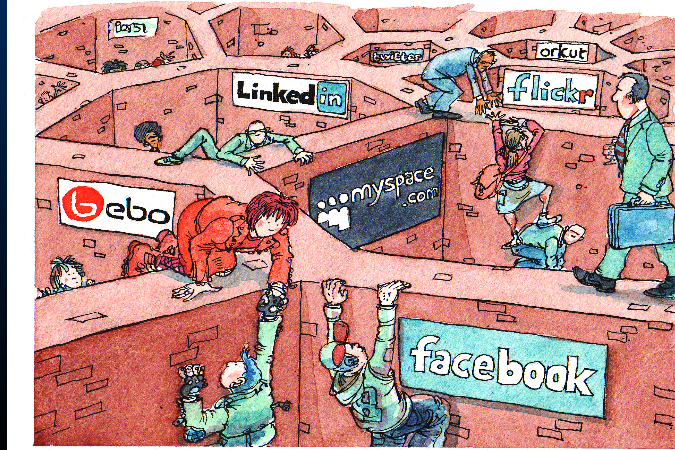
Why do people pay for streaming, cloud, and delivery, but not support publishing tools, independent media, hosting, or open infrastructure?
Why did so many #NGO organisations that talked about openness still push people onto closed platforms the moment growth and analytics are on the table? We keep choosing short-term convenience over long-term stewardship, not just a market failure, a cultural one.
So lets look at this mess again. I’ve been trying to find a way to express my view of the people who took over outreach in the #Fediverse, and in doing so helped shape the current #openweb reboot.
DRAFT: naïve, controlling, and self-interested.
They’ve left a mess that the people they pushed aside now have to compost. It’s really useful to look at how we got here.
In the early years, outreach was organised by a genuinely diverse, native crew. It was a good time – three open conferences, and even getting the EU to adopt the standard. But that group burned out, focus splintered, self-interest crept in, driven by the need to control resources. The balance shifted, and grifters gradually outnumbered them, eventually tearing it apart. In the space left behind, a new crew stepped in – filling the vacuum with centralised power and influence. And that’s where we are today.
We don’t fix this by arguing harder. We fix it by building – and holding – open spaces that don’t follow this pattern.
https://hamishcampbell.com/lets-try-and-simplify-the-omn/
It’s not about features. It’s about culture.
#ActivityPub comes out of the #openweb tradition.
#Bluesky comes out of a split lineage – #openweb roots, shaped by #dotcons incentives, with an #encryptionist upbringing.
☻
☻
Trying to bomb a nation of over 90 million people into the stone age isn't going to happen, and ought not to be the purpose of a war. It's also not going to salvage his status here at home.
https://freethoughtblogs.com/pharyngula/2026/04/02/yay-the-war-is-over/
☻
A nice old-fashioned space launch to the Moon. It's been a while.
https://freethoughtblogs.com/pharyngula/2026/04/01/artemis-2-successfully-launched/
☻
@iris :neocat_floof_explode:
☻
☻
The more you know: Rassenhygiene and Lebensborn.
https://freethoughtblogs.com/pharyngula/2026/04/01/list-of-jews-has-an-ominous-ring/
☻
European voters watching the US collapse from a fascist failed leadership in real time:
☻
I couldn't think of a better place where to take a portrait with my new, awesome @Mastodon t-shirt that reads: "I write #AltText" : the Louvre Museum, in front of the painting "The Battle of David and Goliath" by Daniele da Volterra.
🔗 : https://shop.joinmastodon.org/products/mastodon-i-write-alt-text-unisex-t-shirt-copy
And may I share an ambitious goal with you?
I want to start advocating for the Louvre Museum to join the Fediverse (they're currently on all Big Tech social platforms only). Let's see what I can do 🤗
☻
Do you remember when tech felt like a way forward? That moment’s gone on the mainstream #closedweb path. What we’ve got now is something else entirely. Tools like Palantir and Project Maven aren’t about truth or insight. They’re excuse generators. Power does what it wants, then points to “the data” as cover. That’s the product.
And the people building this? Still cosplaying as the good guys, well-paid servants of the #nastyfew, wrapped in the fading myth of being “freedom fighters”, that’s modern tech dev. On the other side: the wreckage of #web02. Decades of promises, buried under #dotcons centralising everything that matters. Open source didn’t save us either – too abstract, too inward-looking, too lost in the #geekproblem to function in real life.
Yes, #ActivityPub cracked something open, a glimpse of a different path. But let’s not kid ourselves funding is still torched on hype cycles. Blockchain yesterday, AI today, the same ash. Meanwhile, the only things that actually work come from #DIY culture: unfunded, unglamorous, ignored.
And academia? If it worked as claimed, the world would already look different. Instead, we get theory imposed on practice, over and over, making a mess and calling it insight.
The system is built to fail, its risk-averse, paperwork-heavy and detached from reality. Perfect for proposal writers, perfect for box-ticking, useless for building. So where does that leave us? Here – build anyway – #OMN and #MakingHistory aren’t about shiny ideas, they’re about the grind, making tools people can actually use in real communities. Most open projects don’t fail because they’re wrong, they fail because they never leave the bubble, they don’t connect, don’t flow. They don’t live.
So yeah – press the #reboot button. Keep it messy, but make it real. Messy is fine, empty isn’t. Stop trying to fix funding with more control, that’s how you feed the grafters. Do this instead:
– Fund real work
– Distribute trust
– Make everything visible
Fund the compost, not the shiny plastic by backing people already growing things, let trust flow sideways, not upwards. That’s how you starve the grafters without strangling the builders.

☻
Des personnes intéressées par cette pédale ?
Une superbe Electroharmonix Bassballs Nano, comme neuve dans sa boite - « vintage ».
Fonctionne parfaitement.
Livraison possible à vos frais mais remise en main propre sur Marseille centre privilégiée.
https://www.leboncoin.fr/ad/instruments_de_musique/3143154221
Le reboost rend funky :boost_ok:
☻
We have a real problem in Fediverse journalism: almost all linking flows upwards – to established sources and wannabe establishment voices, while there is a strong aversion to linking horizontally (to peers) or downwards (to smaller and emerging voices).
This behaviour isn’t native to the #openweb. It’s inherited from mainstream media culture, where authority, visibility, and trust are assumed to come from the top. In that model, linking becomes a form of validation, and people are cautious about offering that validation outside established hierarchies.
But this creates a real bottleneck by limiting discovery, reinforces existing power structures, and prevents the kind of rich, networked understanding that the Fediverse should enable. If we want a genuinely decentralised and trustworthy news/media ecosystem, we need to shift this pattern. Linking should reflect context, relevance, and trust, not just perceived status.
That means actively encouraging:
- Horizontal linking between peers and communities
- Downward linking to new, local, and less visible sources
- Clear pathways to trace stories across the network, not just back to “authoritative” nodes
The challenge is cultural more than technical. This “linking upwards only” habit comes from fear – fear of losing credibility, of amplifying something unreliable, of stepping outside accepted narratives.
So the task isn’t to attack or block this behaviour, but to compost it – to transform it into something more useful. We do that by:
- Making trust visible and contextual, rather than assumed
- Supporting practices that reward good linking in all directions
- Building tools that make it easy to follow and verify flows across networks
In short, we need to move from hierarchical validation to networked understanding. That’s how we make Fediverse journalism more truly native to the #openweb.
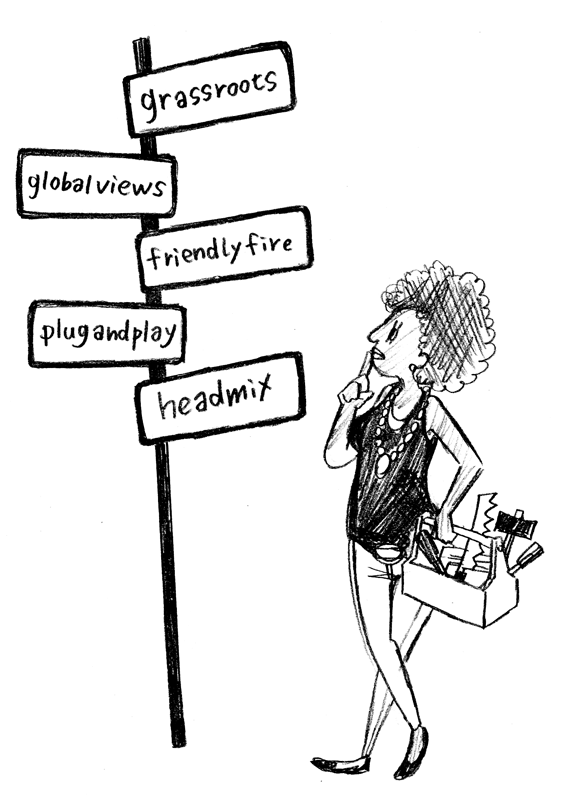
PS. I did not add any links as at this first step its judgmental and thus distracting.
https://hamishcampbell.com/rebuilding-journalism-as-commons-not-a-product/
☻
Haya critters! I am babbleing at you to ask about webrings, as my site currently is part of zero webrings. I want to support the open web, and discovery of smaller sites. So if you've got a webring that is either uncategorized, or is related to some of the things I do (#Music #Writing #Blogging #furrie #Therian #Otherkin #Programming #ContentCreation) Or whatever other random things I do at this point, Feel free to send me a message. I'd love to become part of it.
#openweb #smallweb #webring
-An
☻
https://hamishcampbell.com/news-culture-on-the-fediverse/
It should be obvious that we need a path back to good journalism – journalism that sheds light on facts, connects the dots, and lets people trace those dots back to sources. This is what allows us to share, question, and discuss within our own trusted communities, and then spread that knowledge outward through federation, always linking back to the source.
Right now, the #mainstreaming path is broken. It’s sometimes hard for people to see this because the decline has been slow, a gradual death of journalism. Since the early days of the internet, we’ve been told the same story: “People expect news for free, so quality journalism is no longer economically viable.” There’s truth in that. Good journalism is expensive. It takes time, skill, trust, and institutional memory.
But that’s only half the story. What actually happened is this: people kept consuming familiar “news brands,” and those brands were bought, consolidated, and financialised until shareholder value replaced any sense of public value. Slowly, investigative journalists were cut and sidelined, editorial independence eroded, and content shifted toward ads, PR, and narrative management. What we now call “news” is marketing, agenda-setting, and reputation management – a distraction. Journalism, as a public good, has been hollowed out, in part through our own passive acceptance of this shift.
Today, we can see more clearly that if you do real journalism – the kind that challenges power – you have no real career path and face risks: #dotcons blocking, right-wing co-option, and at worst, isolation, exile, prison, or worse. The result is a broken landscape: corporate media that won’t tell the truth, and under-resourced independent media that carries high risk for little or no reward. In that situation, who chooses journalism as a life path?
The deeper problem is articulation and power. The world is complex, most people don’t have the time, energy, or tools to fully articulate what they see, feel, and experience. Into that gap step politicians, corporations, and #fashernista influencers. They have the resources – especially through the #dotcons – to articulate reality, but in ways that divide people, flatten complexity into conflict, and steer perception to serve power and profit. This isn’t just misinformation. It’s structured narrative control.
Why the old models won’t come back, we can’t simply “fix” legacy media. It is structurally tied to advertising, concentrated ownership, and political influence. And we can’t rely on heroic individuals either, that path is too fragile, too dangerous, and too easy to suppress. If journalism is going to survive, it won’t look like the past.
A different path: journalism as networked commons. At #OMN, we’re outlining a different approach decentralised, collective path. Think of it as a second coming of #Indymedia, but more resilient, more sustainable, and better integrated with current networks.
This is where the #openweb and the #Fediverse matter. With protocols like ActivityPub, we already have the foundations for distributed publishing, shared visibility, and cross-community discussion. But tech alone isn’t enough, the missing layer is trust and flow. To rebuild journalism, we need to focus on how information flows socially, not just how it’s published.
This is where #OMN comes in:
- Content flows between communities
- Trust is applied locally, not imposed globally
- Metadata (tags, context, sources, warnings) travels with stories
- People can trace information back through the flow
Instead of one “authoritative source,” we get many sources, with visible relationships between them, shaped through community trust and discussion. This is journalism people can actually use to follow a story back to its sources, add context and local knowledge and share and challenge it within trusted spaces.
That’s how we rebuild public understanding – not just publish articles – but from product to process. Journalism should not be a product to consume, it needs to be a process we participate in. When it’s treated as a product it’s optimised for clicks, shaped by incentives and in the end controlled by owners. When it becomes a process it becomes collective, accountable and thus resilient.
So composting the mess, we’re not starting from nothing, we have the ruins of legacy media, the lessons of projects like #Indymedia and the living infrastructure of the #Fediverse. This is compost, from it, we can grow something new – grounded in the #4opens, simple enough to understand (#KISS), and social at its core, not just technical.
The real question isn’t “How do we save journalism?” It’s: How do we rebuild the social systems that make truth-telling possible? Because without those paths, journalism doesn’t just struggle –
it disappears.
☻
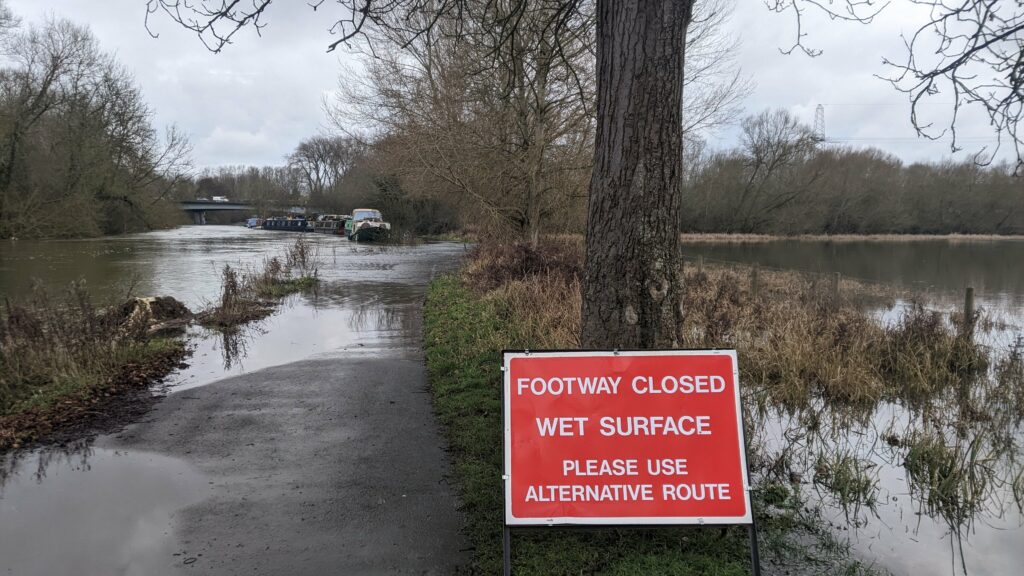
In Oxford we are currently at a recurring stress in how river space is shared between boaters, landowners, and other users (such as rowers and towpath communities). The direction we take will shape not just access, but the character and sustainability of the boating community itself.
Best vs Worst Outcomes
Best outcome is a consensus synergy between boaters and landowners.
* Builds trust and cooperation
* Encourages better self-management within the boating community
* Strengthens a shared sense of stewardship over the river
Worst outcome is the spread of static, paid moorings.
* Prices out existing boaters
* Replaces a living community with “posh houseboats”
* Leads to the destruction of the current, diverse boating culture
A Practical Middle Path
Rather than conflict or heavy regulation, we propose a simple, collective approach based on shared good practice. What would this look like in practice? A lightweight, voluntary “covenant” of good boater behaviour:
* Leave at least 2 metres between moored boats to allow safe exit from the water
* Keep boats and the towpath tidy and welcoming for all users
* Respect visitor moorings – do not overstay
* Avoid leaving empty boats unattended over winter
* Share the river space, including moving boats when needed for rowing events
This Approach:
* #KISS (Keep It Simple, Stupid): simple guidelines over complex enforcement
* Collective responsibility: community-led, not imposed from above
* Open process: visible, understandable, and adaptable
This does not legally bind boaters, but it:
* Encourages better collective behaviour
* Demonstrates responsibility to landowners and authorities (e.g. EA)
* Reduces pressure for restrictive regulation
Role of Landowners & Trusts
For balance, landowners also have a role to play:
* Provide at least two visitor moorings on their stretch of river
* Set a recommended capacity (not rigid limits) for boat numbers
* Engage in ongoing dialogue with the boating community
Open Questions for Discussion
* How do we encourage adoption of this covenant without enforcement?
* What is a fair balance between flexibility and responsibility?
* How can boaters and landowners maintain ongoing communication?
* What practical steps can we take now to move toward this “best outcome”?
This is a light-touch, community-first aimed at avoiding the worst outcome while building toward the best. If we act collectively and simply, we can preserve both access and community – without defaulting to exclusion, pricing out, or over-regulation.
Why do this – Boaters & Landowners
Framing the problem matters, we’re in a familiar pattern pressure builds → calls for regulation → community gets squeezed. This draft is about interrupting that cycle, the aim is simple:
* Give “them” something (landowners, authorities, rowers)
* Strengthen “us” as a visible, responsible community
* Untick the boxes that they use to justify intervention
* And in doing so, slow or deflect heavy-handed regulation
Not by confrontation (yet), but by being seen to act. The strategy is instead of waiting to be regulated, we act collectively to show responsibility to create a visible “good enough” standard. This gives everyone something to point to and say “Something is being done.” That alone often reduces the push for stricter control. Yes, there are multiple directions we could take:
1. Do Nothing (Status Quo)
* No shared standards
* Continued friction with landowners and other users
* High likelihood of imposed regulation
Low effort, high long-term risk
2. Top-Down Regulation
* Paid moorings
* Strict enforcement
* External control of boat numbers and behaviour
High control, loss of community, exclusion of existing boaters
3. Soft self-governance (Proposed path)
* Voluntary guidelines
* Visible collective responsibility
* Ongoing dialogue with stakeholders
Low bureaucracy, preserves culture, reduces pressure
4. Formalised self- organisation
* Boater associations or councils
* Agreed codes with some internal enforcement
* Recognised representation in negotiations
Stronger voice, but risk of internal gatekeeping and drift into bureaucracy, in the end the current community would be priced out anyway.
5. Hybrid Model
* Light self-governance + minimal agreed regulation
* Shared responsibility between boaters and landowners
* Periodic review rather than fixed rules
Balanced, but requires trust and ongoing effort and is unlikely to have a good outcome due to shifting priorates we have no power over.
So filling the gaps (What’s missing). To make the “soft self-governance” path credible, we need better visibility – A simple public-facing statement of principles, something landowners and authorities can point to. I suggest we create a open collective (I can look into this https://opencollective.com/search?q=UK&isHost=true&country=GB )
Encouraging good behaviour through norms, quietly discouraging behaviour that causes conflict. Framing boaters as stewards, not problems by emphasising contribution to river life and culture
Some questions for feedback:
* Does this feel like enough to shift perception?
* What would make landowners actually trust this approach?
* Where does this fall down in practice?
* What’s missing that would make this work on the ground?
* Which path do people actually think is realistic?
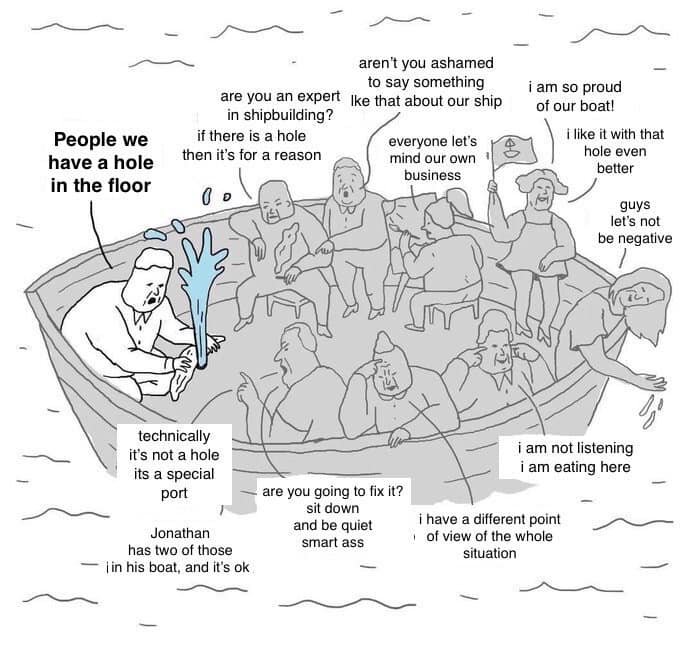
☻
@javi what a mess we keep making https://hamishcampbell.com/?s=fashernista+
☻
☻
☻
Well fokes, looks like Blackwood Tales is gaining some scifi. This would make it a scifi fantasy, this will be fun. I don't know where it's gonna lead, but its shaping up to create some very intreeguing character arcs.
#Scifi #ScienceFiction #fantasy #BlackwoodTales
☻
@Hearth Well have pets and hugs, if you'll take them.
-As
☻
@melvian Good! That is good! Making something because you enjoy it is good. Making something out of interest is good. Doing it because you want to is good. Keep doing it, and cair not for the industry that cairs not for you.
-An & _no
☻
@Alan Cair for yourself first, If it is mentally too much for you to go to private school, or if you just don't feel right doing it for any reason. Than go to public school. It's your choice, not theirs. If they hate you for taking cair of yourself, than they're not werth having in your life.
☻
@gwenthefops to sign up, I mean if I hadn't alalready done that a number of years ago. *Grins at ya.*
-As
☻
@gwenthefops Hehe! This seems like more insentive to do it. *Tilts her head in amusement.*
-As
☻
@KaraLG84 This would be useful if the enginears actually made the disisions.
-Ki
☻
@entropic_decay Oy! I was reading that. *reaches out and pets you.* But this is better anyway.
-An
☻
YOU can’t do social change or challenge without annoying people If you think you can, you’re probably play-acting – and part of the problem – does that annoy you? If it does… maybe sit with that. 🙂 Food for thought, #4opens is a shovel for composting.
The value of the #Fediverse comes from its cultural roots in the #openweb. The tech – like ActivityPub – grew out of that culture. It wasn’t built by #mainstreaming interests.
Now money is flowing in, and with it comes risk of dilution of culture, capture of direction and loss of the commons. As more #mainstreaming users return to the #openweb, we need better tools and processes to handle the mess this brings.
And yes – sometimes the problem is us – when people inside our own spaces act badly, we need ways to respond, mediate, and move forward – without falling into cycles of negativity. That’s part of the work, part of #OMN.
The #Fediverse is native to #openweb thinking, it works. It will likely destroy billions of dollars of #CONTROL, and create billions in actual human value in return. But like the early #openweb, it can also be captured and pulled back into the same old control systems, this is the balance.
So the question is, are you on the side of CONTROL or TRUST?
Our obsession with control is doing real damage, it’s fed by dead-end ideology (#postmodernism), and amplified by #fashernistas pushing surface over substance.
Yes – it’s messy. Yes – it’s complex, but ignoring that just makes it worse.
#stupidindividualism and the #deathcult are building an inhuman world, we can do better – but only if we’re willing to do the uncomfortable work.
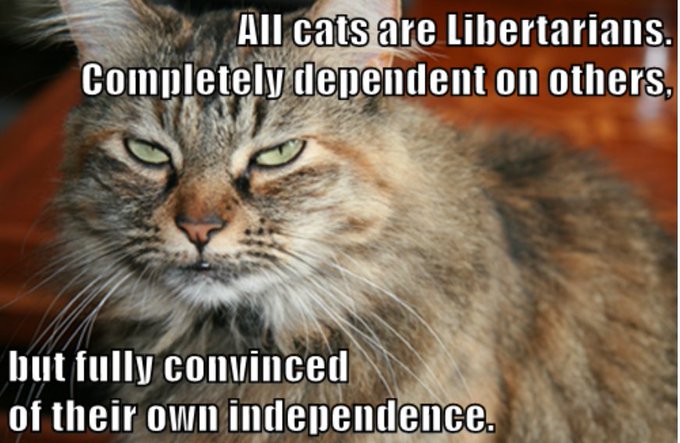
☻
@baralheia Oh dear, There's a nother dragon flopt on my timeline! Guess I should pet it, *pets the dragon.*
-An
☻
@owashe I wish, but I has classes today, grr!
-Ar
☻

In #mainstreaming and alt political cultures there’s a constant call in messy times for “strong leaders” to cut through the chaos, but this is the wrong path. What Jeremy Corbyn and Bernie Sanders actually show is something more uncomfortable and more useful that real change doesn’t come from strong individuals – it comes from movements we don’t fully control. They were signals, not saviours.
Both figures emerged on the left because something deeper was already shifting with widespread discontent, a break from #mainstreaming politics and a hunger for alternatives to 40 years of #deathcult worshipping. They didn’t create these conditions – they channelled them. “Weakness” is often misnamed, Corbyn in particular was constantly framed as weak, but what was actually happening? When people treat them as failed “leaders,” they miss the point, at best they were interfaces to movements, rather than top-down commanders. They:
- Hold together fragile, diverse coalition
- Refusal to impose top-down control
- Emphasis on process, participation, and consensus
In a stable system, this might look slow, in a fragile system, it’s often the only thing preventing collapse. In the open vs closed battle, it’s not as simple as it looks – especially in the mess we’re in.
CLOSED → conservative / fear / control
OPEN → progressive / hope / trust
We need to keep looking at the underlying path when deciding which way to push the balance.
Where the demand for “strength” usually means more control, less democracy. That path tends to deepen the mess, not fix it, as personality politics is a dead end. When media and institutions focus on personalities where movements are about issues and structures. This mismatch is fatal if your politics depends on a person you are attacked through that person – we all collapse when they falter. You never build lasting power, it is the trap both campaigns fell into, despite trying to avoid it.
Movements without structure (hard or soft) stall, is the harder truth – Horizontal energy alone isn’t enough – Electoral politics alone isn’t enough. Both Corbyn and Sanders mobilised huge grassroots energy, but institutions resisted, internal fragmentation grew – the energy wasn’t fully translated into durable paths, and they fell through the gap.
From a #OMN perspective, the takeaway is clear – Don’t look for better leaders – Don’t rely on existing institutions – Build commons-based infrastructure that movements can stand on. This means: Media we control (#indymedia paths), Governance we participate in (#OGB) and tech that reflects trust, not control (#openweb, #Fediverse)
So in messy times, don’t reach for “Strong Leaders” as this comes from fear, frustration and the desire for simple solutions, history – from left and right – shows where that road leads. In poisoned times, the work is slower, to build trust, to stay grounded in shared issues.
Corbyn and Sanders didn’t fail because they were too weak, they struggled because we don’t yet have the social, technical, and institutional commons needed to carry the kind of change they pointed toward. That’s the work, and it’s not about finding the right leader –
it’s about becoming the movement that doesn’t need one.
☻
Haya creatures of the fedilands, we are working on an audio project. This one seporate from #blackwoodTailes. Its a bit of an audio drama style thing, but its mostly so our seporate creatures can shine. You will here all of us in this, and we plan to do a bit of a q and a at the end as well. If there is anything you want us to do during this, let us know. Its unscripted so be prepared for some real shenanigans! We're also going to be experimenting with some ai tools to see what they can do for our audio productions, so again. be prepared for some strange happenings.
-An
☻
At #NOAW event I talked a lot about the digital commons so thought it might be useful to write a post grounding this. The Digital Commons: The Ground We Already Stand On https://hamishcampbell.com/the-digital-commons-the-ground-we-already-stand-on/
☻
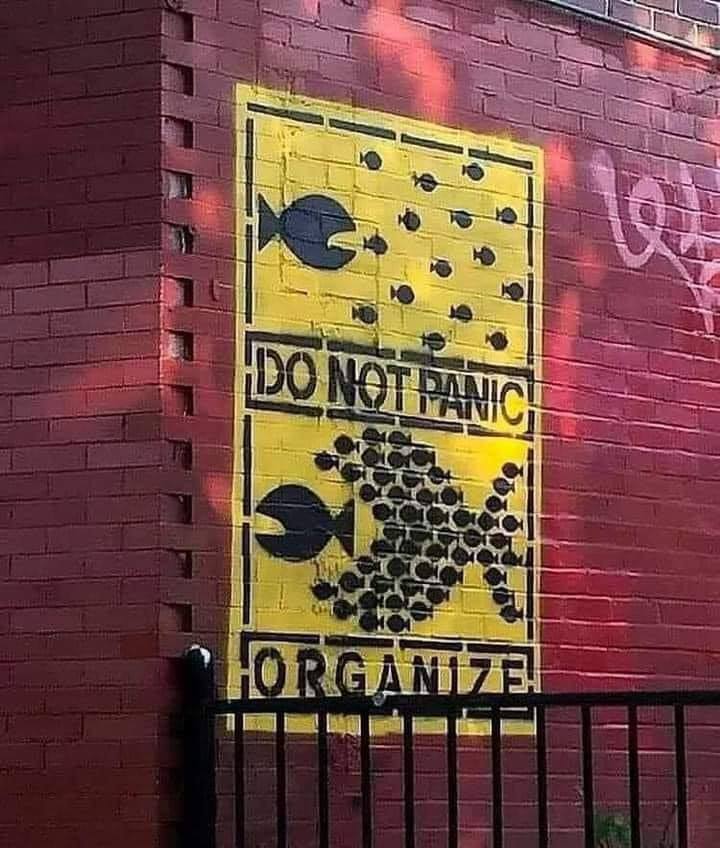
At #NOAW event I talked a lot about the digital commons so thought it might be useful to write a post grounding this. The digital commons are not a future vision, it’s something we already have. At its simplest, the digital commons are the widely used #4opens digital resources of software, knowledge, data, and culture created collectively, governed by communities, and made available for public (re)use. This is the native path of the #openweb it’s been around for a long time, it might be hard to see but just about all of our current #dotcons mess is built on top of this layer.
There is a long history of commons in wider society. But mostly today we focus on the licences that protect reuse and sharing. None of this is abstract theory, it’s making the practical, working infrastructure that underpins much of what people still find useful online. One of the roots of the current digital commons go back to the 1980s and the emergence of the free software movement, led by Richard Stallman and the Free Software Foundation. This was not just about code, it was a social and political project:
- Software should be shared
- Users should have control
- Improvements should remain in the commons
The creation of the GNU General Public Licence was the first step, enforcing a simple rule that if you benefit from the commons, you give back to the commons. The commons isn’t one thing, it’s an ecosystem – Some #KISS examples include:
- Wikis – collectively written and maintained knowledge (#Wikipedia)
- Open source software – built in public, shared freely (#FOSS)
- Public code repositories like GitHub used to be (name one)
- Open licensing systems like Creative Commons
- Federated social tools built on ActivityPub (#Mastodon)
The Path is governance by the people who use it. What makes the digital commons different from “just free stuff” is this the people building it can shape how it works, a key distinction it’s not just access – it’s agency. The commons are non-exclusive (available to others), oriented toward use and reuse and governed by its participants, this is why it matters politically.
Today, much of the internet still runs on the digital commons, but the visible layer is dominated by #dotcons platforms. This creates a split of Commons layers → open, slow, sustainable and Platform layers → closed, extractive, growth-driven. People still rely on the commons, but interact through closed systems, this contradiction is unstable.
Policy is our current-missed opportunity, as our institutions see only the surface value. The European Union’s European Commission has pushed open source strategies as part of digital sovereignty, particularly through programmes like Horizon Europe. The idea is native – Share code – Collaborate openly – Build public infrastructure. But in practice, most of this gets lost in #NGO process, bureaucracy, and capture. The money flows, but the commons don’t grow.
The “Tragedy” of the Digital Commons. Like any commons, in the mess we live in today commons can be degraded from overuse (infrastructure strain), pollution (spam, low-quality content, noise) and information overload. The result is a corrupted signal-to-noise ratio, it is a real issue – but it’s to often used as an excuse to centralise control. This is largely solved by horizontal vs virtical scaling, if people can take this real native path.
There are social gaps. The commons reflects the culture that builds it, yes gender imbalance persists, access is uneven, and geek culture is too often exclusionary (#geekproblem). But the bigger problem we face is capture and drift. We’ve already seen it happen once: Free software → “open source” (politics stripped out). Commons → #dotcons platform capture.
Now we see this happening in the #Fediverse and #openweb reboot spaces with the last few years of vertical agendas dominating to meany outreach spaces, #NGO mediation and thus diluten is pushing native grassroots agency out, this is an old cycle repeating – the cycle that we need to compost.
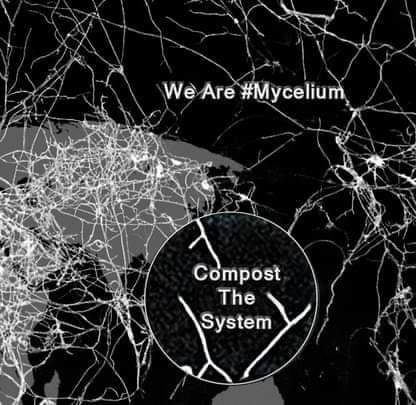
OK, despite all the #mainstreaming mess, the digital commons are still the most viable path we have, we need to see this path not as hypothetical – more as it just works, but is underresourced. From a #OMN perspective, the digital commons are not only infrastructure, it’s the soil. You don’t build movements on platforms, you grow them in commons, but this growth needs care:
- Protection from capture
- Active governance
- Social grounding, not just technical process
And most importantly the commons only survives if people act as commoners. The challenge now isn’t only to explain the digital commons, it’s to defend, rebuild, and extend it. That means funding native projects, keeping governance in the hands of participants to bridge activism, development, and real-world use as a path to push back against the continuing #mainstreaming capture.
This is not about nostalgia, it’s about #KISS recognising that we already have the tools we need, then caring enough not to only exploit them. Please try and be better than the current #mainstreaming on this, thanks.
https://hamishcampbell.com/proposal-from-noaw/
☻
@BillySmith Nice project but very bitcoin’ish
☻
I can believe it’s margarine. Do you have any butter?
☻
Congratulations!
☻
Due to recent budget cuts, I will be having fewer total thoughts
☻
Mar 19
4 min
The ironic activist. Cost is the greatest economic incentive.
Just in a few hours ago, Israel’s main refinery site has been bombed by Iran and this location also seems to be a center for their naval power.
I have to hand it to these guys. They are literally just stopping oil in its tracks.
They’ve managed a completely unsettled disassembly of the global supply chain!
☻
@alice I'm going to post this reply, and then delete it a bit later.
☻
@alice Looks like it works good buddly. Lol
☻
@esoteric_programmer It’s published by WP ActivityPub plugin, can’t find any option for alt text, it’s a nice image of rabbits holding carrots as if the were guns – the fluffy spiky debate – it links to donation page.
☻
A recent essay on deadSimpleTech makes a point the #openweb community should hear: the biggest problem in technology is not only the tools, it’s also the culture behind them. For years the tech world has operated under a form of narrow “tech empiricism”: the belief that if something produces results quickly, then it must be working well. In this mindset, success is measured by novelty, speed of production, and the ability to create something new. The heroes of this culture are disruptors and iconoclasts who ship fast and build shiny things that capture #fashionista attention.
But this basic #geekproblem ignores a simple #KISS truth: technology only has meaning inside the culture that builds and maintains it. And this is where the real problem begins. In the dominant tech worldview, the culture rewards novelty, disruption, rapid production, and personal prestige. Inside this environment of #deathcult worship, producing new code becomes a way to gain status among peers. Shipping quickly matters more than maintaining systems or improving what already exists.
But there is another culture that exists alongside this, the culture of engineering and maintenance. In fields like civil engineering or infrastructure design, the heroes are not disruptors. They are the people who quietly maintain systems, improve reliability, and prevent failures. The emphasis is on responsibility, long-term stability, and care for systems people depend on. This difference in culture matters enormously. Because what counts as something working “well” depends entirely on what the culture values.
From the perspective of blinded tech culture, a tool that generates lots of new code and features appears incredibly successful. But from the perspective of infrastructure and engineering culture, that same tool may look deeply flawed – even dangerous. Real systems require debugging, maintenance, testing, and institutional memory. Most importantly, they require people who accept responsibility when things fail.
In mature systems, the first prototype is only the beginning. The real work comes later: years of maintenance, improvement, and adaptation. Yet this long-term work is largely invisible in tech culture and funding systems, which celebrate the person who creates something new but rarely honour the people who keep it running. This cultural blindness leads to fragile systems and recurring cycles of hype and #techshit to compost.
The same problem is in the #OpenWeb. Unfortunately, this problem is not limited to Silicon Valley, it also appears inside the #openweb, #NGO, and #FOSS ecosystems. Many conversations focus almost entirely on: code, protocols, scaling, features and UX. All of these are important, but without balance they are not enough to sustain a functioning ecosystem.
Without the native social culture that originally shaped the open web, open technology slowly drifts toward the dominant norms of the wider #dotcons tech industry of status competition, short-term innovation cycles, neglect of maintenance and eventual capture by institutions or corporations. This is one reason so many promising #openweb projects stagnate or collapse.
The technology works, but the social infrastructure fails. It’s in part why the #OMN exists as a project. This is the gap we need to address, not primarily as technical project. Most of the protocols and software already exist. What is missing is the social infrastructure that allows them to function as a public commons. Instead of focusing only on building new non-native platforms, the #OMN focuses on growing the wider ecosystem around what all ready works.
This means recognising that the real value of a network comes from the people who maintain it, moderate it and build communities around it – not just from the code itself.
From tech “empiricism” to social infrastructure, if we want the #openweb reboot to succeed, we need to move beyond the narrow mindset that treats technology as purely technical. The lesson from history is simple, code builds systems, culture makes them work. Without a healthy culture, even the best open technologies will eventually fail or be captured by more powerful institutions.
A deeper mess is “The End of Theory”, tech empiricism problem is really the #geekproblem amplified by ideas like this, the claim that massive data sets make traditional scientific thinking unnecessary. This idea, popularised by Chris Anderson, suggests that with enough data we no longer need theories, models, or human understanding. But this is a dangerously narrow view as large data models are epistemologically weaker than scientific theories. They can recognise patterns, but they do not understand them.
This becomes even more problematic in the age of opaque and unexplainable #AI systems. Deep learning models can be efficient at pattern recognition, but they lack human comprehension and produce opaque but believable outputs. At the same time, the increasing “datafication” of society means that communication and public life on the #dotcons platforms are moderated by these same algorithms. These systems prioritise engagement and behavioural prediction over needed values like: accuracy, truth, democratic deliberation. The result is a social environment driven by metrics rather than meaning.
It is past time to compost the mess as it is becoming easier and easier to see. But seeing the problem is only the first step. The next step is to compost it – to take the failures of the current system and use them as nutrients for something better. The future of the #openweb will not be decided by better code alone. It will be decided by whether we build the social infrastructure to support it. That is the work the #OMN is trying to grow.
If this work matters to you, help support it.
☻
📝 New post 🚀
"Openness, transparency and reach: three reasons why public institutions should embrace the Fediverse"
mentioning @europeanspodcast @haubles @aral @Gargron @tferrer @rstockm @samvie @EUCommission
#SocialMedia #FOSS #DigitalSovereignty #SocialSovereignty #policy #BigTech #Fediverse #TheFutureIsFederated #RSS #SocialWeb
☻
Hamish Campbell is a long-time #openweb activist and technologist working on grassroots media and digital commons. He was involved in the early development of #Indymedia and continues this work through projects like the Open Media Network (#OMN), which works on how federated tools and community publishing supports public-interest media infrastructure. His focus is balancing building native platforms and on growing the social culture that makes the #openweb work: transparency, decentralisation, and horizontal collaboration. Through writing, workshops, and practical projects, he argues that the future of the Fediverse depends as much on culture, governance, and shared infrastructure as it does on code.
Workshop 01
The #Mainstreaming Problem in the Fediverse
Purpose is to open conversation that many people feel but rarely articulate: the tension between grassroots culture and institutional capture. Start with your simple distinction:
- Good #mainstreaming → openweb values spreading outward
- Bad #mainstreaming → corporate/NGO structures reshaping the Fediverse
Then ask: “Which direction are we currently moving?”
Discussion topics – funding and governance, foundations and institutional capture, developer vs user power, infrastructure vs platforms. How to avoid repeating Web 2.0
Activity is to ask participants to map layers: Grassroots – NGO / institutional – Corporate. To discuss where power currently sits and what healthy balance might look like.
Outcome is people leave with language to understand the tensions they are experiencing in the Fediverse.
Workshop 02
Maybe a second one on why #makeinghistory is needed? Translating #OMN from “activist infrastructure” into “missing public digital infrastructure.” That language is what this event is trying to figure out. The Open Media Network (#OMN) proposes a model where grassroots publishing, community moderation, and institutional participation are balanced. Participants can discuss how institutions support shared infrastructure rather than just deploying isolated platforms.
Many institutions are experimenting with the Fediverse as an alternative to #dotcons corporate social media. However, simply running institutional servers risks reproducing the same platform dynamics in a federated form. We need workshops that explore the broader ecosystem of public-interest media infrastructure.
“What happens after institutions join the Fediverse?” The #KISS answer is they need to support the commons infrastructure that makes it socially viable. Running Mastodon is not enough, institutions need to support the wider open media ecosystem.
Talking about #openweb culture in a constructive way is tricky because most #FOSS and Fediverse conversations default to technical framing: code quality, scalability, moderation tooling, and #UX. These things matter, but they are not the foundation that determines whether a network lives or dies.
Maybe a useful way to open the conversation is to shift the starting point. Instead of saying “culture is important too”, say something stronger but practical: The success or failure of open systems is primarily a cultural question, not a technical one. The code only expresses the culture behind it.
Start with a simple historical observation. Many technically strong systems failed because the social layer was weak, while some technically rough systems succeeded because the community culture worked.
Examples from the open web – early open source projects that thrived because communities shared norms of collaboration. Grassroots networks like Indymedia worked socially even when the software was messy. Corporate platforms that succeeded not because they were technically better, but because they built powerful social gravity.
The pattern is clear, that technology enables networks, but culture sustains them. This is the missing step in most Fediverse conversations. Right now to meany discussions focus on: scaling servers, moderation tools, interface design and onboarding. These are all necessary but insufficient.
What way to often goes missing is the deeper questions – What culture are we actually trying to grow? Without answering that, the system tends to drift toward the dominant internet culture, which today is shaped by the #dotcon platform model of engagement optimisation, algorithmic attention markets, influencer dynamics and centralised power. When that culture seeps into the Fediverse, the result is a federated copy of the same problems.
So why is culture harder than code? Code can be written by a few developers, culture requires shared understanding across thousands of people. To grow this we need native governance norms, trust networks, moderation values and expectations about ownership and participation to hold to native paths for how conflict is handled. These things cannot simply be implemented in software, they must be grown socially, fail to address this is why many technically strong projects fail, they assume the social layer will somehow emerge automatically. It rarely does.
To make this constructive, it helps to clearly describe what we mean by #openweb culture. Some core values historically included public-first communication rather than platform ownership, decentralised responsibility instead of central moderation authority, commons thinking rather than product thinking to nurture horizontal participation rather than audience/influencer hierarchies, this need clear #4opens processes rather than opaque decision-making.
These values were never perfect, but they created a different social environment from today’s corporate social media. If we do not actively cultivate these values, the surrounding internet culture will slowly overwrite them. If the Fediverse continues to grow without addressing culture as it currently is, the most likely outcome is large institutional instances dominate, smaller community spaces struggle leading to more moderation being centralised. This all shifts user expectations toward platform-style experiences.
At that point, the system may still be technically federated, but the culture will have drifted back toward Web 2.0. The code will be open, but the social dynamics will not be.
So the “extra step” is simply, we must talk about culture as deliberately as we talk about software architecture. That means asking questions like: What social norms should Fediverse communities encourage? What governance models support open participation? How do we keep the ecosystem diverse rather than dominated by large actors? What responsibilities come with running infrastructure in a commons network?
These conversations are sometimes uncomfortable, because they move beyond engineering into politics, sociology, and ethics. But avoiding them does not make them disappear, it simply means the culture will be shaped by default forces instead of conscious choices.
A simple way to frame this – A phrase that often works well in discussion is – “Code builds the network, but culture decides what the network becomes.” If we want the #openweb to remain something different from the #closedweb platform internet, we need to invest as much thought into the culture as we do into the code and #UX. Otherwise, the technology may succeed technically, but the social project behind it will quietly fail.
Workshop 03
https://hamishcampbell.com/the-wall-of-funding-silence/ I am going to “Nodes On A Web” #NOAW to try and have this conversation in a polite way.
Public Money, Public Communication, Public Infrastructure
Public institutions are funded by taxpayers. Their role is to serve the public. So it should be obvious that their communication systems are open, accessible, and accountable to everyone -without requiring people to sign up to proprietary, for-profit platforms.
Yet this is not the world we live in. Today, much of public communication is effectively outsourced to the #dotcons. If you want to follow government updates, participate in consultations, or even access timely public information, you are often expected to create an account on a closed platform – designed for profit, data extraction, and behavioural manipulation. That alone should raise serious questions.
This contradiction is especially stark in Europe as they regularly speak about digital sovereignty, data protection and public accountability. And yet, at the same time, they rely on U.S.-based corporate platforms to communicate with their own citizens. It’s a strange situation:
- Public institutions, funded by European taxpayers, using foreign, proprietary infrastructure to mediate public communication.
- Not only does this create dependency, it also places public discourse inside systems that are not governed by public interest.
- It’s not just ironic. It’s structurally broken, we should think about prosicuting the people who have made this happen.
The access problem, useing closed platforms to access public communication creates real barriers: Not everyone wants to create or maintain dotcons social media accounts. Some people are excluded for ethical, political, or practical reasons. Algorithms decide what is seen and what is not. Public information becomes entangled with advertising and engagement metrics. This undermines a basic democratic principle that public communication should be universally accessible, without conditions.
We already have an alternative to this curupt mess, the #DIY #OpenWeb comes from europe, it offers a different path. Instead of #closedweb platform dependency, it builds on open standards, interoperable systems with multiple access points, no user lock-in. This is not a new path, it is how the web was originally created to work in the EU.
An example project that contines this native mission and supports this is the #OMN whitch creates spaces where public institutions and public communities can meet on equal terms, without one dominating the other, and without relying on closed corporate systems. If institutions instead invest in and support the wider #OMN ecosystem, they help build something fundamentally different, a public communication infrastructure that is open by default, accessible to all, resilient and distributed and aligned with democratic values.
A simple principle, if it is funded by the public, it should be accessible to the public – without restriction. No accounts required, no platform dependency and no hidden gatekeepers.
We need to organise a call to act. Public institutions need to move beyond simply using the #Fediverse. They need to help build and sustain the commons that makes open communication possible. That means, supporting open infrastructure projects, funding shared ecosystems like the #OMN and building real, not facke PR commitment to public-first communication practices.
This is not just a technical shift, it is a political and cultural choice.
A simple #KISS way forward is to shift public social communication onto the #Fediverse. This is already a significant improvement on current platform dependency. However, I want to raise a point that may sound controversial at first, but is actually quite practical: public institutions should not rely exclusively on the existing codebases.
Most current Fediverse platforms have done vital groundwork – particularly in establishing shared protocols, interoperability, and a working culture of federation. That contribution is important and should be recognised. However, many of these tools evolved shaped by the same assumptions as #dotcons and constrained by #NGO project models. As a result, they can be complex, difficult to maintain, and not always well aligned with the long-term needs of public institutions or commons-based infrastructure.
A constructive path forward would be to fund the development of a small number of new, purpose-built codebases focused on commons publishing. Not one, but three parallel implementations.
Why three? Because diversity reduces risk. In practice, not every project will succeed – this is normal and expected. Funding multiple approaches ensures resilience, encourages innovation, and avoids over-reliance on a single solution. The cost of doing this would be minimal relative to existing public digital budgets, yet the potential long-term value is significant.
Importantly, this is not about replacing the existing ecosystem. Because the Fediverse is built on shared protocols, any new tools would remain fully interoperable with current platforms. This means users of existing services can still interact seamlessly, while the overall ecosystem becomes stronger, more diverse, and better aligned with public service values.
In short: build on what exists, but don’t be constrained by it. By investing modestly in new, commons-oriented infrastructure alongside the current tools, public institutions can shape a more robust, sustainable, and genuinely public digital communication space.
Outreach to @newsmast interesting to see the #NGO view of the real alt path we need to take https://hamishcampbell.com/thinking-of-workshops-to-run-at-nodes-on-a-web-noaw-unconference/ you guys might be interested in working on the 3ed workshop outline. The 3 codebase need to be 1) mainstreaming, 2) radical #NGO and 3) native messy grassroots. You guys could be the second codebase. We do need diversity, best not to keep blindly messing up this path in the current globe mess.
https://hamishcampbell.com/why-its-difficult-to-build-the-omn-and-what-we-can-do-about-it
Stopped going to in-person general tech conferences around 15 years ago – they’d become beyond pointless. Since then, I’ve stuck to more focused online events.
Now heading back to an in-person one. Curious what I’ll actually find.
I have a feeling it’ll be about 75% pointless, 20% narrow geek, academic and #NGO-focused (slightly useful), and maybe 5% – probably less – actually useful.
Let’s see how that shifts after the event.
UPDATE: The event was posative, people were looking for change.
☻
Individual fear scales into collective outcomes, when people act mainly from fear, they tend to choose control, isolation, and short-term protection, and those choices accumulate into worse social paths. It’s useful to frame this as the dynamic between fear/control and trust/open in #openweb thinking.
So the practical question becomes – how do we reduce fear enough that people act more cooperatively? We can try some grounded ways to make this to work.
- Build Real Social Support
Fear grows when people feel alone and powerless, it shrinks when people feel supported and connected. Historically, societies with strong collective structures – unions, cooperatives, community groups, local media, commons infrastructure – tend to show lower social anxiety and higher trust. What helps is strong local communities with shared institutions people actually control through mutual aid and cooperative structures. When people know others have their back, they are less likely to act defensively.
- Reduce Information Panic
Traditional and #dotcons media systems amplify fear, because fear drives attention and engagement. Constant exposure to crisis narratives makes people feel the world is collapsing even when their local reality may be more stable. To counter this we need slower, contextual media, local reporting and shared storytelling in flows in media systems not driven by advertising attention metrics. This is the place where the #OMN fits: if communities control their own media infrastructure, the incentives shift away from panic amplification.
- Increase Agency
Fear grows when people feel they cannot influence outcomes, when people have real participation in decisions, fear tends to drop and responsibility rises. So when people help shape the systems, they no longer see it purely as something happening to them.
- Create Stable Material Conditions
A lot of fear is simply economic insecurity, worrying about housing, food, healthcare, or work, their nervous systems remain in threat mode. In that state, cooperation becomes much harder.
- Encourage Contact Between Groups
Fear comes from distance and misunderstanding, interacting across social, political and cultural differences in real life, fear tends to decrease. Shared projects and cooperation help more than debate. This is why collective building projects (community media, shared infrastructure, local initiatives) can be powerful: people work together rather than just argue.
- Normalize Courage Instead of Panic
Fear spreads socially, but confidence spreads socially too, when people see others acting constructively – organizing, building alternatives, cooperating – it changes what feels possible. Visible examples of working alternatives matter because they shift the emotional landscape from “Everything is collapsing.” to “We can actually build something better.”
The idea we need to balance is fear itself is not the enemy, in moderation it is a normal protective response. The problem comes when systems, like much of today’s personal and social mess exploit fear to maintain control. When that happens, fear multiplies and becomes self-reinforcing. Reducing fear at scale usually requires: stronger communities, trustworthy “native” institutions using #4opens communication to drive real participation in building visible alternatives.
In short: build systems that reward trust instead of systems that profit from fear. That is one reason projects like #openweb infrastructure of the #OMN matter. They are not just technical tools, they are about building communication spaces that encourage cooperation instead of panic.
☻
One of the biggest barriers to building projects like the #OMN (Open Media Network) is not technical – it is structural – how resources are distributed in our society. Under capitalism, the driving force behind what gets built and what counts as “innovation” is profit. Investment flows toward projects that promise financial returns. Venture capital, grants, and corporate funding all operate under this logic: if a project can generate profit, scale, or market dominance, it is considered worthy of investment. If it cannot do those things, it does not get funded.
This creates a deep distortion in what kinds of technology and social infrastructure actually get built. Projects that could save lives, strengthen communities, or benefit wider society struggle to find any resources simply because they do not generate profit. We can see this clearly in the digital world. Billions flow into speculative technologies, advertising systems, surveillance platforms, and financial schemes. Meanwhile, the basic tools people need for public communication, community coordination, and independent media remain fragile and under-resourced.
The result is the landscape we now call the #dotcons: platforms that monetize our attention, harvest our data, and shape public conversation for the benefit of a handful of corporations and shareholders.
A different motivation? The native Fediverse and projects like the #OMN are built from a completely different starting point. Not designed to extract profit or built encloser. And not driven by the logic of venture capital. Instead, at best they grow from a humanist motivation: the desire to build social meaning and meet simple human needs. The goal is to improve the quality of life in general by supporting open publishing, shared media infrastructure, and grassroots communication. These are the kinds of tools we need to help communities tell their own stories, organise collectively, and respond to crises.
In this sense, the #OMN sits firmly in the tradition of the #openweb and projects like #indymedia. The technology exists, the cultural knowledge exists, what is missing is not possibility, but resources. Because the #OMN does not promise financial returns, it sits outside the normal funding pipelines. Venture capital has no interest, corporate sponsors want control, institutional funding comes with strings attached that reshape projects into something “safer” and less disruptive.
Over the past decades we have also seen how #NGO funding models neutralize grassroots initiatives, the original goals become softened, the governance shifts upward, and projects become professionalized to the point where they lose the communities they were meant to serve. So the challenge becomes very simple, but very real how do we resource projects that are built for social value rather than profit? This is the core difficulty in building the #OMN.
It is not that people disagree with the idea, in fact, many people recognise the need for open, public-first media infrastructure. The difficulty lies in finding ways to support that work outside the normal profit-driven economy.
Growing from seeds – the good news is that the #OMN does not need to start big. Many of the most important pieces of the #openweb have always grown from small seeds: communities, volunteer effort, shared infrastructure, and trust networks. The #Fediverse itself is proof that distributed systems can grow organically when people care enough to build and maintain them.
The aim is not to replace the existing system overnight. It is to grow an alternative ecosystem alongside it, rooted in openness, collaboration, and public benefit. This means building slowly, sharing knowledge, and keeping the processes transparent and simple. The #4opens principles remain a useful guide: open data, open source, open standards, and open process.
What you can do – if the #OMN is going to exist – it will exist because people decide it should. There are a few practical ways to help make that happen:
- Support the project financially. Even small recurring contributions make a difference when building shared infrastructure https://opencollective.com/open-media-network
- Contribute skills and development. Developers, designers, writers, organisers, and testers are all needed to grow the network.
- Use and experiment with the tools. Real projects and real communities are what give infrastructure meaning.
- Share the ideas. Talk about the need for public-first media systems and the problems with the current #dotcons landscape.
- Help build the culture. Technology alone is not enough. The #OMN depends on the social culture of the #openweb: cooperation, trust, and collective responsibility.
This is a #KISS path to building the world we need. The current system directs enormous resources toward technologies that extract value rather than create it. That is not inevitable, it is simply how our economic structures currently allocate attention and funding.
The #OMN represents a small but practical step to build something different, not a platform empire, or another startup. Just a shared piece of public media infrastructure, grown from the grassroots, and built to serve the people who use it. If that sounds like a world worth building, you can help make it real: https://opencollective.com/open-media-network
☻
☻
Something that’s worth saying out loud: many of the people currently talking for the #Fediverse had very little to do with the generation that seeded this version. That doesn’t automatically make what they say wrong. But it does mean we should be careful about building strategy around their narratives.
A lot of the early Fediverse energy came from the older #openweb traditions of hacker and #FOSS culture, experiments in federated infrastructure and grassroots publishing networks. The long history of things like RSS feeds, blogging, and projects like #indymedia
The #Fediverse didn’t appear out of nowhere, it grew from decades of experimentation with open protocols, decentralised communication, and commons-based infrastructure. Some of the current commentators arrived after the current seeds had already been planted. That’s normal, every movement eventually attracts interpreters, professionalisers, and institutions. But it does mean there is a risk that the story gets rewritten in ways that lose the original lessons.
One of those lessons is simplicity, the systems that spread tend to follow a basic rule: #KISS – Keep It Simple: Simple protocols. Simple tools. Simple ways for people to publish and connect. When infrastructure becomes complicated – governance layers, funding structures, branding strategies, endless, #NGO mediated theoretical debates – the distance between the actual people and the invisible elitism occupying the space, talking the loudest, grows larger.
The Fediverse itself only exists because a handful of people quietly built working code and released it under #4opens licences. Communities adopted it because it worked, not because it was well marketed, not because institutions endorsed it and not because a conference panel explained its importance.
For projects growing the #openweb, the lesson is straightforward: Don’t get too distracted by who is currently speaking for the ecosystem. Look at flows, what is being built, at what people have used and at what follows the basic principles of the commons. And keep things simple. #KISS is still the best guides we have.

https://hamishcampbell.com/yes-there-are-parasites-and-yes-theres-shit-to-shovel/
Stepping around the recurring #NGO voices in #openweb debates. To do this the problem we need to compost is our lack of balance, meany of the people talking for us have done the same thing for each generation of the open web and bluntly there “common sense” has always failed as it is not native to the #openweb. These people have no idea that they keep circling this mess, so please try and step around them. Because they talk loudly and consistently, newcomers often assume they represent the ecosystem, they don’t. The practical lesson is simple:
- Notice them.
- Learn from the patterns of past generations.
- Step around them.
Our task is to grow native, functioning, living networks, not to repeat old mainstreaming debates that have consistently led nowhere. In other words: don’t argue with the noise, build around it. Keep the focus on grassroots projects, real communities, and real trust-based infrastructure.
That’s how the #openweb moves forward.
https://hamishcampbell.com/foss-need-to-take-a-social-lead/
☻
The PlayStation Can Produce Mind-Boggling Effects :wow_miku:
☻
Re-post are not always endorsement, more often then not, they're more like a "Get a load of this guy/girl".
☻
Taliesin (Frank Lloyd Wright's Home & School) near Spring Green in southwest #Wisconsin
Again picking away at my archive. Combining photos from two visits in 2012 & 2023.
Wonderful place to visit BTW! More to come...
☻
So, that service was $500 more than expected because brakes are cursed.
Is anyone willing and able to help keep a queer disabled family on the road? Any contribution helps.
Card: https://donate.stripe.com/4gw5m27Ah8xe9IQ144
Paypal: https://PayPal.me/eroosenmaallen
Thanks so much, friends!
☻
For progressive and radical people, one of the central political questions of our time is simple to ask but hard to answer – Why is it so difficult to rebuild the institutions that were destroyed in our #deathcult worship of the 1980s and 1990s? And more importantly why does the impossibility of rebuilding them make it so hard to change the needed balance of power in society? These question matters for working on the future of the society and most importantly the grassroots part of this: #openweb, grassroots media, and projects like #OMN.
The hollowing out of institutions, in the 20th century, politics used to be deeply institutional. People didn’t just express opinions, they joined organisations. If you marched in a protest, we usually marched as a member of something: a trade union, a political party, a civil rights organisation or community association. These organisations formed the infrastructure of democracy, connecting everyday anger and hope to real power.
But beginning in the 1980s and 1990s, much of this infrastructure was deliberately dismantled. Union power was broken, mass political parties were hollowed out, and community organisations lost resources and influence. The result is the political landscape we inherit, a society with political anger but without any working political structures.
Today we live in what #fashionistas and academics call #hyperpolitics or what I call #stupidindividualism in the hashtag story. Yes, some people are more politically engaged than they were in the 1990s or early 2000s: More fluffy protests, #dotcons online political discussion. But this engagement is almost all unstructured in the old sense.
Millions may join a protest or share a political message in the #dotcons, yet very little, if any lasting organisation emerges from this. This surface engagement creates a strange paradox of huge drifting mobilisations leading to very little structural change. We can have the largest protests in history – yet the underlying power structures remain completely untouched.
Closed #dotcons social media lowered the cost of expression, but algorithmically shaped it into smoke and mirrors. Let’s take a moment to lift the lid on this #tecsit mess. The role of media in this is complex, on the positive side, #closedweb platforms drastically reduced the cost of political expression.
Forty years ago, if you wanted to express a political opinion publicly you needed a newspaper, radio station, a public meeting or to stand in a square shouting. Now you can reach thousands of people instantly. But there is a downside that #dotcons smoke and mirror online engagement replaces the slow work of institution-building. Posting, sharing, and reacting can feel like participation, but it has very little role in building the durable structures needed for any long-term change.
So why do the current hard right succeed without institutions? There is an uncomfortable asymmetry between left and right. The right can carry out its agenda without building mass organisations, because it relys on: existing elitist power structures, wealthy donors, state institutions and traditional corporate media.
The left cannot rely on these, historically the left needed mass organisations because its power came from collective action – workers, communities, movements. Without those structures, left politics becomes, mess, fragmented and reactive. This is why protest waves can be enormous but still fail to shift any real policy.
The #undeadleft problem is where vertical left respond to this crisis with nostalgia, there imagination stops at rebuilding the mass political parties and institutions of the 20th century. But this is to often like trying to animate a corpse, even if you could recreate it, the environment has changed so much that it wouldn’t survive.
At the same time, the opposite response – abandoning institutions entirely to relying purely on digital networks – also fails. Purely online movements often dissolve as quickly as they form. We need a #DIY hybrid path based on federated #4opens institutions like the tools we are building and rebooting with the #OMN projects.
Not rigid old institutions, not purely online networks, But something that seeds the in between. The goal is not to create another platform, it is to expand #federated #p2p infrastructure for collective media and collective politics. The original #openweb worked because it supported networks of communities, independent publishers and grassroots movements. The corporate #dotcons replaced this with extractive platforms designed for profit and control.
KISS rebuilding the commons means rebuilding the social infrastructure of media, not just tools, but institutions and practices that persist to allow collective voices to organise and persist.
The simple truth, if we want real political change, we cannot rely on viral posts, temporary movements or algorithmic attention. We need structures that last, connect people, that can turn energy into horizontal power. That work is slow, messy, and unfashionable, but like digging compost for a garden, it’s the only way anything grows.

A path to start to compost this #techshit is growing horizontal tools from the Fediverse for real change (#OMN).
If the problem of our time is political energy without institutions, then the opportunity is clear:
build new institutions native to the #openweb. Not simply recreate the rigid organisations of the 20th century, and not fall into the hollow performative politics of the #dotcons. Instead, we grow native horizontal digital tools to help people organise, coordinate, and act collectively. This is where the Fediverse and projects like #OMN matter.
The #Fediverse already proves that distributed infrastructure works. But right now it is mostly used for conversation. If we want meaningful change and challenge, we need to extend it into practical coordination and collective action. by build tools for organising, not just talking
Current social media tools are built for attention and engagement, not organisation. What we need to add to the mix is simple #4opens tools that help people form groups, coordinate action, share resources, document activity and most importantly maintain continuity over time (#makinghistory). The Fediverse already has #fashionista and #geekproblem pieces of this:
Mastodon / Pleroma → conversation

Mobilizon → events and gatherings

PeerTube → video publishing

PixelFed → visual storytelling

Lemmy / Kbin → community forums
These existing pieces can become seeds to be woven together into workflows for collective action. On this path we need to remember the goal is not more platforms, it’s practical ecosystems. For this to work a first step is rebuilding commons-based media. A core idea behind #OMN is returning to something like the #Indymedia publishing model, but rebuilt using modern federated tools. Instead of a single website, imagine distributed publishing nodes where local groups post reports, media is shared across networks, discussions happen across servers and archives remain accessible and most importantly meaningful.
This builds collective memory, something the algorithmic feeds of the #dotcons constantly destroy. Movements need memory to learn.
https://www.youtube.com/watch?v=txCLtKpDwNE
One reason mass organisations collapsed is that participation became too heavy, people don’t want to “join a church” politically any more. So tools should allow different levels of engagement: casual participation, occasional contribution, active organising with core stewardship. The Fediverse naturally supports this because it allows loose affiliation rather than rigid membership. You don’t need permission from a central authority to participate.
Focus on infrastructure, not branding. A common #NGO trap in activist tech is building new branded platforms that compete with existing networks. That approach usually fails. The better path is infrastructure building based on protocols instead of platforms for #4opens interoperability instead of silos, tools that connect existing communities. This was the original power of the #openweb, protocols scale. Platforms capture.
Keep the tech simple (#KISS), as the biggest barrier to grassroots technology is complexity. Many promising projects fail because they become too technical for real communities to use. So the rule should always be KISS – Keep It Simple, Stupid. Tools should be installable easily, understandable by non-geeks and maintainable by small communities to grow resilience without large funding. If only developers can run the system, it will never become a movement infrastructure.
Compost the failures (#techshit). Another key idea is recognising that the tech world constantly churns useful waste. Old tools, failed platforms, abandoned code, all of this is #techshit that can be composted instead of chasing fashionable new tech, we reuse working ideas, simplify existing tools to combine proven approaches. The #openweb already solved many of these problems decades ago. Sometimes progress means going back to what worked.
Build trust networks, as the most important layer isn’t technical – it’s social. Horizontal networks only function when there is trust and shared culture. The Fediverse works because communities can federate with trusted peers, block hostile actors, build local norms. This allows networks to remain open but resilient. The challenge is nurturing communities of practice around the tools.
Grow slowly and organically, movements that scale too quickly often collapse. The better model is ecological growth with small nodes → connected networks → resilient ecosystems. Just like compost turning into soil. The goal is not explosive growth, its sustainable infrastructure for collective action.
The real challenge is the biggest obstacle isn’t technology, it’s the #geekproblem – the gap between technical culture and social reality. Too many tech projects assume that better tools automatically produce social change, but tools only matter when they are embedded in real communities and struggles. The work of projects like #OMN is bridging that gap.
Shovels, not silver bullets, we don’t need magic platforms, we need shovels, tools that help people dig, build, connect, and organise together on the native #openweb. If we can do that, the Fediverse becomes more than an alternative social network, it becomes infrastructure for democratic power.
https://hamishcampbell.com/what-projects-like-omn-can-learn-from-history/
☻
My follower requests have gotten wildly out of hand again. I wish we could have a “why did you follow me” form field like when you request to join a server.
So to make this worth pinning… I guess please drop me a note if you’re sending me a follow request to help me weed out the bots?
To the [redacted because embarrassed] number of people who sent a request that I haven’t responded to yet… If you’re seeing this… I would be lying if I promised to do better, but I’m slowly working on the backlog now 😬.
☻
R · A · D · I · O
T · E · I
T · E · N · G · A
(cc) 2026 - Argentina
https://radio-tei-tenga.ismyradio.com/
domingos, 21hs.
#RadioTeiTenga 👈 todos los temas del próximo programa
Chateá con nosotrxs en vivo: kiwi.tuiter.ovh/#RadioTeiTenga
No te lo pierdas!!! Te esperamos.
☻
☻
My experience of the #fediverse :
Year 1 (2023):
It feels a little lonely as 99% of my friends stayed on Big Tech platforms.
Year 2 (2024):
I start a blog - #TheFutureIsFederated - to explain the fediverse to "normies"... and I make a lot of new (techie) friends.
Year 3 (2025):
My techie friends encourage me to start self-hosting with #YunoHost... and I do! (GoToSocial, PeerTube, NextCloud...) I LOVE it.
Year 4 (2026):
I plan to buy a Heltec to try out off-grid mesh radio communication 💁♀️
☻
If you're in tech — or any fast-moving industry — and quietly wondering if you're good enough, or just exhausted and not sure why, you're not alone. I've been there too.
My Conquering #ImposterSyndrome and #Burnout syndrome class is March 13th, 9am-12pm PT. Built from tech workers' experiences, the tools translate across industries. It's practical by design: you'll try techniques during the session, see that others are dealing with the same things, and leave with the ones that actually work for you. Not theory — things you'll use.
O'Reilly access is often free through your company or public library (Seattle has it). Or start a free 10-day trial.
Register: https://www.oreilly.com/live-events/beating-impostor-syndrome-and-burnout/0642572287573/
☻
Anybody want to hire a fullstack js/ts dev with decades of experience and no "ai" taint? I do it all, I look good doing it, I'm cheap as hell, and I don't use rented coding tools so you can own all the code I write for you.
Remote from Canada, Eastern time zone.
☻
I have an "all cryptids" and cryptozoology blog that I keep somewhat separate from my main site. If you are into this niche topic - please check it out. https://moderncryptozoology.wordpress.com/
☻
We are the makers.
Of fun stuff. 🥸
And we can make stuff for you.
Lots of different stuff.
We are humans making in a world of fakes. Please boost. 👍
☻
@mmiasma i was bored
☻
With my latest project, you can create a customizable invitation for your fediverse community, with your favorite apps and even starter packs.
Like this one.
Learn how to make your own: https://stefanbohacek.com/project/fediverse-invitation/
☻
Starting a new thread...
#Badlands #NationalPark #SouthDakota recovered photos from 2018. 🙂
Why did the #Bison cross the road? 😉
More photos to follow...
☻
Reclaim your digital autonomy: Meet Nextcloud Hub 26 Winter! 🚀
🌐 Growing sovereignty: new federation, export and import features
💬 Pin & schedule messages
🔎 File comparison
🧑🎨 New Whiteboard tools
🔐 New E2EE options
💪 Speed-up: ADA engine
🪄 more in all apps!
☻
One day I had to explain to my friends, what #Cat #Loaf means... Well, this name is also funny for me :blobcatjoy:
#drawing #art #MastoArt #CreativeToots #krita #ArtWthOpenSource #kitty
☻
btw if you're wondering what happened to Block Game, it's temporarily on the back burner until
A. i get through my kitsune tails consoles workload
B. i get a 3D model to implement
just in case anyone's thinking i abandoned it, i'm just focusing on what i need most to survive (kitsune tails on consoles)
☻
Bio: I am an American independent researcher, geologist, author, and science communicator with more than 25 years of research and writing experience regarding anomalous natural phenomena, paranormal popular culture, pseudoscience, cryptozoology, science & society, and geology. I currently specialize in popular cryptids, contemporary legends, and topics at the intersection of geology and the paranormal.
☻
Posting this again for the sake of pinning it as I don't want to go through a bunch of posts to find when I originally posted it.
The raccoons I regularly post were born somewhere in my backyard late last May/June. The triplets were born first, and these two a little while later. I suspect these two were woken when the triplets were taken out by their mom, with these two following briefly. Didn't get very far.
#Wildlife #WildlifePhotography #Raccoon #Raccoons #SpookyKittiesRaccoons
☻
Isn't this the most innocent looking creature you have ever seen? There is absolutely not mischief going on here, only innocent raccoons to be found here.
#Wildlife #WildlifePhotography #Raccoon #Raccoons #SpookyKittiesRaccoons
☻
The #openweb reminds us that meaningful autonomy comes from shared infrastructure, collective governance, and mutual trust. Projects like #OMN are built on this understanding: individuals do not create networks alone; networks create the conditions that allow individuals to flourish. Real freedom grows from commons-based collaboration, not from isolated platforms or competitive silos.
What can grassroots #openweb people actually do when the EU is building alternatives to #dotcons, but with very real risks of recreating European versions of the same problems? This is a historic moment, for the first time in decades public funding is flowing toward digital commons and infrastructure sovereignty is being taken seriously. Federated technologies like #ActivityPub are gaining traction, largely due to years of grassroots work which is leading to initiatives such as @NGICommons attempting to support open infrastructure.

But alongside this opportunity comes an obvious risk, that they replace Californian platform capitalism with European platform capitalism. The danger: is European #dotcons. Institutional “common sense” – especially when combined with bureaucracy and the #NGO class – tends to reproduce familiar patterns of projects prioritise compliance and institutions over communities. Tech governance becomes professionalised and detached from users and seed communities. Yes, open standards exist, but power centralises anyway as funding rewards scale, stability, and safety rather than needed native grassroots paths.
The result is predictable, European #dotcons. The structural problem is institutions optimise for safety when #EU funding systems are designed around risk avoidance, measurable outcomes to build controlled delivery structures. This leads to only professional actors and institutional partnerships. Grassroots projects – messy, political, horizontal – rarely fit comfortably into this narrow thinking.
So even when the intention is to “build commons,” the outcome becomes safe-looking infrastructure that lacks living social ecosystems. The commons turn into infrastructure without community, and frequently fail, leaving funding poured down the drain and more #techshit to compost.
Why grassroots counter-currents matter is that healthy technology ecosystems need tension between institutional builders for stability, grassroots radicals for innovation and activists for accountability. This balancing leads to communities and real-world grounding.
Without this tension, governance ossifies and technology becomes abstracted from users. Political imagination shrinks and becomes #blocked. Grassroots projects like #OMN represent the compost layer, the messy soil where new forms grow. Institutions rarely generate this energy themselves.
Where initiatives like #NGICommons sit is that some people inside these initiatives genuinely want openness. Much like early Google’s “don’t be evil” phase, there is still a window of possibility. This means influence is still possible and direction is not fully locked in. Individuals inside may be allies, even if institutional structures trend toward mainstreaming. The danger is not simply bad intentions, it is the structural gravity toward institutionalisation.
We need practical strategies (not just critique) to move grassroots actors to shift direction, critique alone is not enough. Practical engagement matters to frame grassroots work as ecosystem infrastructure. Don’t argue only from ideology, speak in terms institutions understand: that tech ecosystems need experimental edges as monocultures fail. We need to argue that diversity increases resilience.
Policy language travels further, when we push for small “wild funding” streams. Instead of demanding institutional transformation, push for small structural openings:
- microgrants
- low-bureaucracy funding
- experimental tracks
- funding for governance experiments, not just technical deliverables.
Small budgets, cents on the euro, can create disproportionate impact.
Promote ActivityPub + social governance together as many EU projects adopt federation technically while retaining centralised governance culturally. We need to communicate that federation without social decentralisation is fake decentralisation. This is where #OMN has strong positioning.
Build parallel legitimacy, not only opposition, as institutions might respond to working prototypes with visible communities that demonstrated outcomes. Critique alone rarely shifts funding flows, were working alternatives do.
We need to find sympathetic insiders, every institutional structure contains pragmatists, a few idealists and sometimes meany reformers. So bridge-building matters. Not everyone inside #NGICommons or EU initiatives is an opponent, some are actively trying to resist corporate capture from within.
The EU currently has three possible futures:
- European #dotcons – platform capitalism with EU branding
- Technocratic infrastructure without social life (#techshit to compost)
- Living digital commons grounded in grassroots communities.
The third path requires messy activism with strong social processes (#4opens) and historical memory rooted in #openweb culture. Without pressure from the grassroots edge, institutions drift toward the first outcome by default.
The deeper insight is that grassroots movements do not need to “win” against mainstreaming. They need to remain the compost layer that keeps the ecosystem alive. That means critique combined with collaboration where possible, strong and grounded independent experimentation and most importantly refusal of capture.
☻
Just completed my "Old Man and the Gulf" expedition into the unique #Everglades wilderness ecosystem. This is my 30th such trip!
https://richard.mdpaths.com/travel/everglades/everglades_2026/index.html
This was my first trip using a folding sea-kayak. And the first year I mostly stayed in one place... read, explored, and meditated on "Life, the Universe, and Everything."
#Kayak #NationalParks #Birds #Nature #NaturePhotography #Books
☻
N.B. Free Speech gives you the right to say what you want without the state stopping you but Free Speech also means we have the right to not have to listen to what you say. Shouting and bypassing my right to not listen to you is not free speech, it is harassment.
☻
As there has some interest in donating to help the #SpookyKittiesFerals, I have setup a ko-fi page available here: https://ko-fi.com/spookykittiesferals. There are also the options available in my profile.
☻
We demonstrate that fundamental physical laws can be constructed from pure unity (the number 1) through the mathematical structure of measurement itself. Rather than viewing physical constants and relationships as discovered properties of nature, we show they emerge necessarily from how we fragment and scale a unified reality into observable quantities.
https://mystry-geek.blogspot.com/2026/01/building-physics-from-unity.html
☻
Hey fedi, did you ever get a photo that captures a time like amber swallows a bug? This is mine. My sister's comedy group in Seattle for the Fringe Festival in 199x, with me as the tech person. You've got the frat bro, the popular girl, the frosted tips, the hippie, and the manic pixie, all against the hipster wall of postcards at the Ace Hotel. In this pic I'm about 5 seconds from getting my own room; I've got the "shut the fuck up" look on my face, and the bourbon in my glass won't last long.
Now let's see yours!
☻
☻
Excited to be beige. Thanks for having me.
Here are some things I saw while roller skating in traffic the other day:
A very good puppo guarding the local record store and a whale on a wall.
☻
📣 Calling all Activist & Communicators! ❤️🔥
We have a media ecosystem for you. Our newsletter digests and podcast are here to keep us rooted amidst the outrage and chaos.
🎙️ @rootschangepodcast is on @spectra
🗞️ @roots media is hosted on @ghost
🧰 #RootedResources are on @protonprivacy
🌱 #RootedNews to skip the social algorithms & outrage
Subscribe or become a member for our private podcast at
https://www.rootschangemedia.com/
#activism #communications #tech #organizing #fascism #bigtech
☻
Social media is where you follow experts in one field and end up reading their shitty takes on all the other fields they aren’t experts of...
☻
For around 20 years in the UK, there were overlapping subcultures: road protest, summit hopping, squatting, back-to-the-land movements, and free parties. Together, these cultures allowed a generation of people to live, to a large extent, “for free”.
That “free” life was not magical or isolated. It was partly subsidised by what remained of the social safety net — housing benefits, dole money, informal support systems — which played a role in making these ways of living possible. This wasn’t domination or central planning; it was the cultivation of many efforts, which collectively led to significant change.
☻
https://www.house.gov/representatives/find-your-representative
https://www.senate.gov/senators/senators-contact.htm
Call and leave a message.
Tell them to impeach and convict, say you are a constituent and leave your address and phone number.
#uspol #impeach #convict #ImpeachTrumpNow #ImpeachConvictRemove
☻
HOW DID THIS HAPPEN?!?!
Slowly and deliberately. Originally published June 17, 2021
“ there is something far more sinister about these bills.
The real threat is that these bills are quietly setting Republicans up to steal the 2024 Presidential election after failing in 2020. There are steps being taken at all levels of government to make this a reality.”
https://www.rootschangemedia.com/big-lie/
#maga #uspol #trump #democracy #unitedstates #fascism #TheBigLie #RootsofChange
☻
Have you encountered Baumol's Cost Disease?
I've done a bit of reading about it over the years in the #healthcare sector. It also applies to most face-to-face #education, legal costs, performing arts, and even law enforcement.
Classic example...
How many musicians did it take to perform a Mozart quartet in 1790?
"Four"
How many does it take for a live performance today?
"Still Four"
This tautology illustrates one extreme of the per-worker productivity curve. A quartet will forever require four musicians. There are no opportunities to make the performance more efficient without fundamentally changing the definition of performance (such as increasing the size of the audience).
From the wiki page...
"...the tendency for wages in jobs that have experienced little or no increase in labor #productivity to rise in response to rising #wages in other jobs that did experience high productivity growth. In turn, these sectors of the economy become more expensive over time, because the input costs increase while productivity does not. Typically, this affects services more than manufactured goods, and in particular #health, #education, #arts and #culture."
https://en.wikipedia.org/wiki/Baumol_effect
His Book: "The Cost Disease: Why Computers Get Cheaper and Health Care Doesn't", William J. Baumol et al, 2012, Yale University Press
☻
Auch 2026 biete ich wieder ein kostenloses Probe #Lektorat an, damit du sehen kannst, ob du dir eine Zusammenarbeit mit mir vorstellen kannst. Freie Kapazitäten bitte erfragen.
Weitere Informationen dazu in den Bildern, mit ALT-Text.
Link zur Webseite in Toot 2.
1/2
#Schreibcommunity #Schreiben #Selfpublishing #selfpublisher #DienstleistungenfürAutor_innen
☻
If you want to get an excellent understanding of viruses and infections, without needing to go through university, for your own enjoyment of growing and sharing knowledge.
This is my recommendation:
1) Complete the youtube university lecture series `Virology' by Vincent Racaniello. 25 lectures, he uploads to not only teach his class but teach the public for free.
https://m.youtube.com/playlist?list=PLGhmZX2NKiNktEViriylQ3haM_a_kAfbk
Recommended prereq: 1000 level bio ― introduction to biology.
1/
☻
Let’s look at a current issue that is in the news. The Americas have long been treated as a natural U.S. sphere of influence. From early Monroe Doctrine interventions to modern political pressure, the region has been viewed as a geopolitical backyard. Today, with Trump and MAGA pushing renewed U.S. dominance, countries in the region face stark choices: resist, align, or integrate into alternative power structures.
The elitist foreign policy message is blunt: secure U.S. primacy in its hemisphere. For Latin American nations, this translates into pressure on trade, security agreements, and political alignment. Economic coercion and direct military action ensures that Washington tolerates no rival power. Nations are either “on the table” with the U.S. or “on the menu.” As the resent actions in Venezuela shows this is not theoretical, the current geopolitical mess is actively pushing realignment. Latin America cannot afford to wait passively in Washington’s shadow, they must push to act as equal players in a multipolar world.
The driving force behind this renewed mess is Trump’s appeal to disruption. He promises to expose the “deep state,” hold elites accountable, and reveal connections the system would rather hide. Central to this narrative is the saga of Jeffrey Epstein, not merely a story of sexual scandal, but a window into systemic flaws in U.S. political and economic structures.
Trump’s supporters rallied around promises to release files, expose corruption, and challenge entrenched elites. Yet, frustration grew when these promises went unfulfilled. Why? Because the Republican and Democratic establishments are two faces of the same system, bound by shared economic interests, financial incentives, and structural constraints. Trump may disrupt in style, but the underlying power of money and influence remains dominant.
Observers liken Russia to “a giant gas station disguised as a state.” The U.S. is equally artificial: “a giant corporation packaged as a country.” Its factions – Wall Street, Silicon Valley, the military-industrial complex – function like corporate departments pursuing profit and influence above public welfare.
The Epstein case reveals two truths. First, the U.S. system forces actors to operate through illicit or extra-legal channels to achieve objectives. Second, these shadow networks persist, shifting focus from national survival to maximizing elite power at society’s expense. Epstein and his network were not anomalies; they reflect a collective ethos of the financial and political class, where mutual protection and the pursuit of power override accountability and any public interest. In practice, money dominates governance.
Trump’s struggles with Epstein files, and his unfulfilled promises, expose a messy reality: American political power is subordinate to financial power. The #MAGA base seeks disruption, but structural flaws – subordination to money, fragmented institutions, entrenched networks – ensure continuity, not change. The lesson is clear: individuals matter less than the systems that shape societies. Epstein is a mirror reflecting decades of dysfunction of unaccountable power, which always tries to find a way of self-preservation.
Historically, by the late 20th century, U.S. decision-making increasingly served elitist financial interests rather than any public welfare. Power is privatized, corporations, banks, and tech companies operated globally with more influence than elected officials. Media and entertainment reinforced the myth of American exceptionalism, masking the nasty rot we all smell today.
Fast-forward: infrastructure decays, inequality shapes democracy, and geopolitical overreach drains resources while sowing instability abroad. Financial dominance is a trap. What we are seeing now is that short-term advantage of prioritizing money over human welfare eventually fails socially, environmentally, and politically.
The structural mess in the U.S. – inefficiency, financial dominance, and overreach – doesn’t exist in isolation. It ripples globally, fuelling ecological collapse, social instability, and geopolitical crises. Global dominance built on US short-term advantage now amplifies globe systemic fragility. We face, climate disasters increase migration and resource conflicts; inequality that erodes collective response and political polarization and financial concentration block any meaningful reform.
So what can we do? For alternatives, the lesson is urgent: systems-first thinking is essential. Resilient infrastructure, distributed governance, and adaptive processes matter more than relying on individuals or short-term wins. Localized action paired with global awareness creates networks rooted in communities but informed by global interconnections. Transparency and accountability prevent shadow networks from embedding fragility.
This is where movements like #OMN and frameworks like the Open Governance Body (#OGB) come into play. They model resilient, permissionless, decentralized networks:
- Transparent decision-making ensures accountability without central policing.
- Horizontal engagement with lightweight coordination outperforms rigid hierarchies under stress.
- Decentralized media (#indymediaback) feeds local stories into federated networks, resisting co-option.
Iterative, adaptive growth – test, fail, adapt – turns mess into learning and redundancy, building resilience rather than fragility.
Practical principles for grassroots networks:
- Distributed communication systems: Coordination survives disruption.
- Layered decision-making: Local autonomy with broader coordination.
- Resource buffers: Food, water, energy, knowledge accessible to communities.
Graceful degradation: Even if parts fails, the system endures. These networks are not utopian. They scale horizontally, embed ethics into their structures, and grow through “composting” rather than conquest by absorbing lessons from failure while remaining adaptable.
In short, we need to focus on what matters, not the surface mess of Epstein and daily #MAGA insanity, the Trump show is noise when we need to be focusing on signal.
The future belongs to paths and networks that embrace mess and nurture resilience, not centralizing powers clinging to short-term dominance. The work now is to create #KISS paths that survive – and even thrive – amid global crises.

☻
🚨🦇 Bat friends of the Fedi! Help me help the sky puppies plz!
Are you in the US (and some parts of Canada) and occasionally available to drive an injured bat from the person who found it to the local rehabber who can help it? Especially if you are in central Florida where I am, please reach out to me here, or via Signal!
We constantly get calls for bat help from folx who are just a little too far away for me to get to myself, and the finder isn’t always in a position to drive themselves. Volunteer transporters often make the lifesaving difference for our bats in need. We even set up relays where the trip can be broken up if you can’t drive the full distance. And Bat World Sanctuary reimburses fuel mileage!!!
Please don’t hesitate to ask questions if you’re curious, I’m happy to go into special interest mode, LOL.
This is a no-contact situation; you pick up a bat that’s already in a box and drive it to the rehabber who contacted you. It’s super low pressure. If you’re not available they just go to the next volunteer on the list. No biggie.
Floridians: if you do sign up, please ping me directly so I know to look for you! 🖤 The registration to be a transporter in the US is a googledoc managed by Bat World Sanctuary:
#Bats #BatSignal #BatsInMyBelfry
https://forms.gle/yPTYPey5nCyYWwsS9
☻
Went for a walk through Watergate Forest Park today. The lake was almost completely frozen over. Ducks making heroic skid landings on the ice. 🦢🦆❄️ #gateshead
☻
Games I've completed in 2026:
Absolum
Metallic Child
Okami HD
Crypt Custodian
The Last Campfire
☻
Moving away from Microsoft & Google is easy!
Join the Nextcloud Special Event, including the release of #NextcloudHub 26 Winter, and see for yourself how migration can be done in a snap. 🫰
🗓 Feb 18, 2PM (CET)
📍 Online livestream
Register now! https://nextcloud.com/special-event-winter26/
☻
Will no one rid me of this turbulent developer?
☻
#FotoVorschlag 'mein bestes Foto 2025' 'my best Foto 2025'
I was curious which photo might show up if I sort my Catalogue by my rating. Yet there are still some unprocessed folders.
But .. regarding my rating, I took my best photo close to the end of the year! Due to many reasons I didn't take as many photos this year as usual. But this one really resonates with me. I could start writing so much about what I feel when I look at it.
☻
New year's resolution: Replace my pfSense install with OPNsense.
☻
Dr Michael Worobey presents facsinating research on the genesis of the Spanish Flu. He presents an historical phylogenetic timeline for the development of the 8 segments of its DNA. This shows how the genetic assortment and zoologic crossover events lead to the H1N1 1918 pandemic, who was immune, who was vulnerable, and why. His 1 hour lecture is available on Youtube.
☻
all right, I am serious about this happiness thing so I am going to go on the record and commit. scope of my account will henceforth be:
mostly: >90%
friendships
supporting others
marveling at the natural world
creativity
gratitude
learning
exercise
shitposts
wordplay
ideas
art
sometimes: <10%
suggesting society improvements
criticising
politics
blocks
never: 0%
abuse
poison
misinformation
☻
ok that's enough negativity for one lifetime, time for the happy half of my life
☻
my Birds of Colombia Flickr album is here, with new photos being added every day https://www.flickr.com/photos/98553536@N03/albums/72177720330647347/ come take a look
#Bird #Birds #Birding #Biodiversity #BirdPhotography #Photography #Flickr #Album #Nature #Tanager #BirdsOfMastodon #Colombia
☻
Mastodon, apply directly to the forehead
Mastodon, apply directly to the forehead
Mastodon, apply directly to the forehead
Mastodon, apply directly to the forehead
☻
Dear OSS community on Mastodon,
Every day I scroll through my feed and I see proud announcements like:
“First Alpha Relase of HyperTurboWidget available"
or
“Version 2.7.1 now with improved glorb handlers!”
or
“Flux Capacitor version 4.5 is out”
… and I sit there wondering if I should be excited, terrified, or calling a licensed electrician.
Don’t get me wrong, I love open source. I just have no idea what three quarters of these projects actually do. Are we talking about a web server? A file system? A middleware thingy that keeps the flux from overflowing into the space–time continuum?
So, dear OSS developers of the world: When you announce a new release, please give us (your adoring but slightly confused audience) just a tiny bit of context.
- Tell us what your software does.
- Tell us why this release is cool.
- Tell us what it requires to work.
Example:
We are proud to announce Flux Capacitor version 4.5 is now avalaible. While it creates a nice wormhole to 1955, it requires an underlying gigawatt stack 1.21 to work reliably.
Because nobody wants to cheer enthusiastically for “v2.7.1” while secretly Googling “what is a glorb and why does it need handling”.
Yours truly,
Someone who wants to celebrate your achievements
☻
Vous pouvez vous chabonner si vous voulez connaître ma vie de chat 🐱
You can follow me if you want to know my life of cat :blobcat_noddies:
☻
Announcing our Winter 2025 merch drop! Select from our new, smaller #plushtodon in two fresh colours; new mug designs to complete your set; or some sticker sheets (more of these, coming soon). All proceeds go towards supporting the project.
Accepting orders from the EU, Switzerland, Norway, UK, and the US. #merchtodon
☻
We’re also looking ahead to what comes next. In another blog post published today, we introduced Mastodon’s new leadership team. Our Executive Director is @mellifluousbox (formerly, CFO of Mastodon gGmbH), who has already represented Mastodon on international stages.
We also shared an organisational update, and a fundraising update, in that blog post.
https://blog.joinmastodon.org/2025/11/the-future-is-ours-to-build-together/
☻
I notice in a lot of discussions that I need to write down how I proceed when something new or revolutionary is announced in the press or the internet. So here it comes....
1/5
☻
We’re excited to release Mastodon 4.5 into the world! Arriving just a few months after the last release, this version brings the long-awaited Quote Posts feature, along with many other goodies. Here’s a quick look (you should read our blog post for more!)
☻
This shortcut runs when you get a text message containing the word “stop”.
It checks if the sender is in your contacts and if not it looks for another keyword like “end” “unsubscribe” and then checks the rest of the message against a political wordlist. (SpamMatch.txt, which is written by the setup shortcut below. It’s newline separated and supports regex, customize away and let me know what works for you).
I should note that you’ll probably find your favorite candidate in that wordlist.
If it’s spam, it sends back “stop”, reports the sender to 7726 (spam), and adds them to a contact (setup shortcut below) that identifies all your spammers and lets you just swipe to block them.
Sorry, you will have to build a bit of the automation yourself. We can’t share or back up the “Automation” that kicks it off.
Main shortcut “text spam handler” (install this): https://www.icloud.com/shortcuts/3eb05748db5d4824aadd8ffc9942a712 (Updated 20251209)
Setup shortcut (install and run this; it will write a file then prompt with a contact to create; if you change what the contact is named, you will need to edit a single line in the main shortcut):
https://www.icloud.com/shortcuts/37d24f5e56644f19b0265f8f3b8e38c3
☻
Modular Unit Scaling Framework
This framework simplifies complex physics formulas by modularly rescaling units across temperature, frequency, mass, and energy. Using natural unit scaling, it reveals the underlying simplicity of these formulas, bridging traditional SI units and natural units seamlessly.
To use the framework put the framework file Modular_Unit_Scaling.py in the directory and use this in your program:
☻
By explicitly separating these two components, we can engineer new unit systems that are both fundamentally rational and practically useful. This act clarifies the true role of constants as simple operators, resolves philosophical confusion about their "fine-tuned" values, and presents a path toward completing the original mission of the metric system.
https://mystry-geek.blogspot.com/2025/10/deconstructing-physical-constants.html
☻
The Structure of Physical Law as a Grothendieck Fibration
Abstract
We present a categorical framework for understanding the emergence of physical law from measurement. By modeling physical quantities as objects in a total category 𝓔 fibered over a base category 𝓑 of dimensionless conceptual axes, we show that all empirical laws arise as Cartesian liftings of morphisms in 𝓑. The so-called "fundamental constants"—ℏ, c, G, k_B—are revealed to be cocycle data, or connection coefficients, ensuring coherence under changes of unit systems. Our framework elevates metrology to its proper foundational role: not just supporting physics, but structuring its very possibility.
https://mystry-geek.blogspot.com/2025/06/the-structure-of-physical-law-as.html
☻
If politics is not allowed here, kick me off your server now.
☻
I regularly use AI to discuss the texts I’m writing. For example, I want to see whether the AI understands what I was trying to say and how I played with certain ideas. If it doesn’t get it, maybe I should adapt my phrasing.
Sadly, the AI is often better at recognizing allusions than the average reader.
Sometimes I know an exact quote, but only in a different language from the one I’m writing in. That’s something I can verify with AI far more easily than with a search engine.
I don’t always have the right people around to discuss an idea with. An AI is no substitute for a competent expert on the topic, but it’s still far more useful than just letting the idea bounce around in my head for hours. It’s too crowded in there anyway.
My biggest issue when working with AI is that I’d prefer a grumpy professor over a cheerleader. AI feedback tends to be far too positive, and it doesn’t clearly separate important criticism from minor stylistic notes.
In my experience, AI works best on small text segments and when given plenty of context. Asking it to write long pieces is just asking for it to go off the rails. So I try to discuss it in small pieces.
But most important of all: I take full responsibility for everything that comes out at the end. This goes far beyond avoiding hallucinations, it has to say exactly what I intended to say.
That’s also what I expect from others who use AI. I don’t mind AI artifacts like the “rule of three.”
I’d rather see a mediocre AI-generated picture at the top of a post than an advertisement with 397 tracking cookies attached. But be aware: it still reduces the quality of your statement.
What I can’t stand is text being inflated by AI from a half-statement just to fill a page. And if you use AI, you’re responsible for keeping it on the rails. If the AI spews nonsense under your name, I’ll treat it as if you had written it yourself.
So, in summary: I judge any text primarily by its intrinsic value. Does it provide new information, and is it dense enough? Do I like the style? Is it consistent and coherent?
If yes, I don’t care whether you used a pen or ChatGPT.
If not, any use of an AI was simply a waste of resources.
☻
“The history of any country, presented as the history of a family, conceals the fierce conflicts of interest between conquerors and conquered, masters and slaves, capitalists and workers, dominators and dominated in race and sex. And in such a world of conflict, a world of victims and executioners, it is the job of thinking people, as Albert Camus suggested, not to be on the side of the executioners.”
— Howard Zinn, A People’s History of the United States
☻
☻
I'm now running 60 automated fediverse accounts, packaged in an award-winning project that once got mentioned in the Rolling Stone magazine.
"...offering up everything from a constantly-updated view of the weather at the South Pole to one that posts excerpts from the City of New York's archives of civic data..."
Go check them out!
☻
Hey friends, shit's fucked. Lots of people are struggling. And a lot of people who can help don't know where to start. So to kick off some extra giving, here's an offer: DM us a receipt of a donation you made for $50USD or more to a food bank and we'll mail you a GAYINT sticker. While supplies last. We only have like 50 stickers left from the first batch but more is on order already. Is that a lot for a sticker? Yes. It's just a fucking sticker. But helping direct people to a way to help their community is priceless.
Feeling super generous? Or maybe you just want to show off? DM a receipt showing a donation of $1000USD or more to a food bank and we'll work on getting you a threat actor name of your own in the upcoming GAYINT Threat Actor Taxonomy v2.
Can't donate? That's cool. Boost this toot and help where you can. Also, food banks, as well as the entire food distribution chain in the US, always need more volunteer labor.
Don't know of a good food bank local to you? Check here: https://www.feedingamerica.org/find-your-local-foodbank/all-food-banks
Currently we can only guarantee delivery of stickers to people with US addresses. International delivery isn't something we are currently prepared to do. Sorry. But at least you likely live in a country where this shit isn't necessary.
☻
Bob Vylan &
Lambrini Girls &
Amyl & The Sniffers &
Kneecap &
End It &
Restraining Order &
FIDLAR.
☻
One of the coolest apps I’ve found that’s built on Veilid has been the file sharing app Stigmerge. It’s a fantastic way to quickly, securely, and privately share files, and I adore it. The main app however is command line, which is great but not super user friendly. I decided I wanted a GUI to interact with it, so decided to try building one.
The result: stigmerge-ui (may rename it, though…).
And I’m releasing it to the world today:
https://wrewtopia.com/read/2025-10-13
https://forge.hackers.town/Wrewdison/stigmerge-ui
☻
Borrowed to manually add alt text of image.
"WE scientists don't know how to do that" in bold.
"I used to think the top environmental problems were biodiversity loss, ecosystem collapse, and climate change.
I thought that with 30 years of good science, we could address those problems.
But, I was wrong.
The top environmental problems are selfishness, greed, and apathy...
...and to deal with those, we need a spiritual and cultural transformation
- and we scientists don't know how to do that."
Gus Speth
(There is a photograph of the author - a smiling middle-aged white man with grey hair, wearing wire-rimmed glasses).
☻
oct 12
4 min
Stephen Miller vs Portland & Chicago
Portland & Chicago 1
Miller *system crash*
☻
"Everything I'm wearing is thrifted. My personal style is influenced by Vincent Price and Groucho Marx." -- Street Ghosts of New York
☻
People fight against or/and ignore the #KISS (Keep It Simple Stupid) approach in tech because simplicity exposes power. Complexity, jargon, and process give cover — they make control look like competence. When paths are simple and transparent, everyone can see who’s blocking, who’s hoarding, who’s acting in bad faith. Many “experts” and institutions are emotionally and professionally invested in keeping things complicated; simplicity threatens their authority, their funding, and their identity.
☻
I am updating my pinned #introduction toot to direct those interested to the #DgarLore hashtag.
☻
Please stop trying to use cute brand names for microblog posts. I know everyone is nostalgic for Twitter but I'm sorry "skeet" and "quoot" are stupid fucking words.
☻
Cats can't knock, but they can do other things.
☻
☻
Fungi of Gateshead.
☻
Y’all. My heart (and belly) is so full at the end of these two weeks at the John C. Campbell Folk School. I can’t tell you how lucky I feel that I was able to take the time out of my “real life” to do a deep dive building new skills and honing some rusty ones. Being surrounded by folx from all kinds of backrounds who were also diving into their respective crafts and arts.
I’m more than a little emotional about heading home in the morning!
So. Here’s a picture of the result of all that work:
☻
Locomotion No1 replica in steam earlier today at Shildon, County Durham. #railway200
☻
Amurica
Where racist mass media and cuckold corporations would rather see hate speech than DEI.
Where Charlie Kuck can call for the death of a president and celebrate an attempted murder of the Speaker of the House's spouse.but we can't call him a fucking racist.
Fuck ya'll and the white hoods you rode in with.
#racism
#charliekirk
#backlash
☻
✊ Tuta Mail to the EU: If you pass Chat Control, we’re forced to sue you.
We will never build backdoors or spy on our users. Privacy is a human right, guaranteed to everyone by the EU Charter of Fundamental Rights.
#StopChatControl #privacymatters
Read the full comment 👉 https://tuta.com/blog/chat-control-criticism
☻
A fabulous baseball/legal rabbit warren I stumbled upon last night—while watching the incredible Dodgers-Orioles game—into which one can dive and spend hours better understanding both baseball and law, amongst various and sundry related (and wholly unrelated) time-wasting matters[1]:
https://en.m.wikipedia.org/wiki/The_Common_Law_Origins_of_the_Infield_Fly_Rule
1. I found myself sorely tempted to footnote much of the foregoing, but somehow managed to resist.[2]
2. Note 1 supra.
☻
☻
#Billionaire is a mental disorder and should treated as such.
☻
Aug 28
12 min
Remember empathy being such a problem for far right asshattery?
Well, they are right.. just not the way they mean. Why you can’t get rid of empathy and it is and is not a “problem”
The “problem” with empathy.
☻
Let's try this intro thing again.
☻
#introduction #aboutme #vegetarian #nonviolence #doctorwho #amWriting #punkrock #peace #mentalhealth #startrek #writer #intersectionality
Hi. This blog mostly features my adorable cats, Joey and Sheena. Thank you for occasionally indulging me when I post non-feline things.
I just published my novel, Water Dogs. It's the best book about midwestern teens from the 1970s discovering punk rock and saving the universe that I've ever written. Please buy lots of copies from Barnes & Noble (or Amazon).
☻
Has it not struck anybody how farcical it is that a sixteen year old can legally participate in a gang bang, but can’t look at some of the content on Wikipedia?
#OSA
https://www.bbc.com/news/articles/cjr11qqvvwlo
☻
I'm sure you've seen the news lately about police cooperating with ICE by giving logins to Flock cameras to try and track people for detainment. I'm not a fan of Flock (and similar) cameras, and certainly would like more awareness of their presence,.
Turns out, with an ESP32S3 and new firmware released today called Flock You, you CAN detect them and be alerted.
I did a short write up about it, and am in the process of flashing an ESP32 with it right now: https://wrewtopia.com/read/2025-08-22
☻
You heard the news, and now I need your help. OSNews is ad-free now, and I've set up a Ko-Fi fundraiser to make up for the hit to my income.
Do you like your technology news free of "AI", free of corporate interests, without ads, and entirely and utterly independent?
Support our fundraiser on Ko-Fi:
https://ko-fi.com/thomholwerda/goal?g=0
Or become an OSNews Patreon:
https://www.patreon.com/osnews
OSNews has been online since 1997. Let's go for another 30 years!
☻
BREAKING: we have just completely removed all ads from OSNews. The ad industry sucks, so I've put my money where my mouth is. OSNews is now entirely ad-free, for everyone.
Since this means losing a chunk of income, I would greatly appreciate it if you could support us by becoming a Patreon, by making an individual donation through Ko-Fi, or by buying our merch.
Patreon: https://www.patreon.com/osnews
Ko-Fi: https://ko-fi.com/thomholwerda/
Merch: https://www.bonfire.com/store/osnews/
Stay weird, nerds. ♥️
☻
A woman walks up to a librarian and asks, “Do you have the book on Pavlov’s dogs and Schrödinger’s cat?”
The librarian replies, “It rings a bell, but I don’t know if it’s here or not.”
☻
Hingehenge
☻
If I were living up to my username, my crownouns would be caw/caws.
☻
#phantastikprompts 01.08.
Vorstellungsrunde:
Ryek Darkener begann das Schreiben 2007 mit Fan-Fiction Kurzgeschichten, die sich auf ein Online-Spiel beziehen. Im Laufe der Zeit kamen eigene Themen dazu. Ryek schreibt Science-Fiction, Fantasy, Mystery. Sein großes Projekt ist die SF Saga ”Geschichten aus der Welt nach dem Letzten Krieg”.
Meine Texte haben Subtext und viel Kopfkino.😎
Veröffentlichungen:
https://buchshop.bod.de/catalogsearch/result/?q=ryek+darkener
Mein mastodon-Account ist auch mein Blog:
https://mastodon.social/@_RyekDarkener_
☻
My obsessions:
Mastodon
Wordle
?
The War On Cars
Will update as circumstances change
☻
@ownlife snek
☻
Just sharing this reminder of a really glorious day in the #mountains .
I spent quite a bit of time to find exactly THIS spot so that fore and midground blended so well together.
And currently I'm having this as a background image in teams. Sometimes I wonder if this might look unprofessional - and then I think "maybe I don't care".
☻
Morning all. And a special hello to the operatives for MI5 #HelloMI5. Now, #FuckIsrael #FuckRussia #FuckTheUsa #FuckStarmer #FuckTheUKGovernment #StopFuckingKillingPeople #StopGenocide #StopKillingThePlanet
We are not terrorists. We want to have a habitable planet!!🤬
☻
Everything i draw and make here is fediverse-exclusive-in-the-public-domain. That means you can use my work for anything you desire without having to ask for permission!
If you enjoy my content or have some kind of use for it, please, consider supporting my work.
https://analognowhere.com/support
or visit the store:
https://analognowhere.redbubble.com
Thank you!
☻
🇳🇱🚲🌷& 🍪 A trip to the Netherlands is never a wasted opportunity to nerd out on semiconductor technology. A thesis defence brought me to TU Delft, but this time I was not gonna miss the opportunity to see the Mapper machine!
🎬 Story time!
☻
| ̄ ̄ ̄ ̄ ̄ ̄ ̄ ̄ ̄ ̄ ̄ ̄ ̄ ̄ ̄|
| We Love Linux |
|_______________|
\ (•◡•) /
\ /
——
| |
|_ |_
☻
☻
Hierarchy of Needs
☻
Since I've passed 500 followers I'm going to do a new #introduction to see if I can get 500 more. :blobcatfluffevil: This is a long one, because it can be.
I am Nege, they/them, an elder millennial and thus currently in my 40s. Nonbinary :BlahajWavingNonBinaryFlag: aro :aro_heart: ace :asexual: and queer all around. Chaotically neurodivergent (AuDHD, mental illness, various neurological conditions, shitposter brain) and disabled. I am a white Canadian settler who is keen on decolonization to stop the world from burning and continuing genocide under a different brand. Antifascist. Ban billionaires. Climate action. Degrowth. End capitalism. Free Palestine. Guillotines. (Kidding...unless...)
I'm an urbanist and anti-car in a city where too many white collar suburbanites drive massive pickup trucks. I live in high density housing with a fantastic dog. Every day I get to see the Prairie sunset and think about the beauty we get to witness if we choose. I love greenspace and urban wildlife, especially Canada geese. :GOOSE_PNG: and ducks and crows and pigeons and squirrels and bunnies, all of whom are my neighbours in spite of all the concrete.
I am a libidoist, sex-positive (culturally), and sex-indifferent (personally), with a dirty mind for jokes but repulsed by romance. If the preceding sentence makes no sense to you, feel free to ask! This kind of language is known in aro and/or ace communities but I find it doesn't really travel outside of there and I am happy to spread this understanding.
I write, photograph, and draw, and I put a small fraction of that on my old fashioned website (https://thisnege.xyz). I also play some music, but in the sense that when I'm high and listening to a playlist I sometimes grab a recorder or keyboard to see if I can make out the tune for fun. It's never good enough to record and share, so if you see me posting audio clips then run away as I am clearly too high to have good judgment.
I collect sunglasses and old cameras and old books and physical music media. I still use photographic film sometimes, and I sometimes write poetry on a typewriter manufactured in 1921. I also collect tattoos, or at least that's my excuse for getting more and more of them ever since I turned 40. At least as far as mid-life crises go it's not as expensive as a sports car and/or a divorce.
I like to travel but I'm trying to do less of it for environmental reasons. I don't intend to ever step foot in the United States again. My destinations have mostly been European.
I'm pro-mask and pro-vaccine. Individual responsibility is community care, and fuck you if you choose to spread preventable disease to the vulnerable.
If you've made it this far you've invested too much time in me not to follow.
☻
Apparently, I am now a deer babysitter. Mommy deer went out in search of food, sent fawn to house. Fawn choose to sit at my door.
☻
Let’s assume you run an IT service or deliver some kind of device to customers, and you receive a report from me informing you about a security problem in your service or device. This can —and has—happened to some of the best in the industry. So, you're not alone.
Now you're wondering: What should you do with this disclosure?
Rejoice: This post is here to guide you through the process.
1/9
☻
Sunbaked baguette
☻
Doing small things for people you care about to help them out… it adds up. So - make it a daily habit to do something nice for someone.
I challenge you to be the reason someone smiles today.
☻
I think maybe it's time to start a thread for "The World I Want To Live In."
1st up: shift from "Purchase New" to "Sturdy & Repairable:"
https://sauropods.win/@futurebird/114529458048424861
(I'll word better later after caffeine.)
☻
I’ve been experimenting with my newish solar battery
Represented here is the end of the charge cycle yesterday at about the same time the sun started to set
I’ve been powering the freezer with this 2 kWh battery, and every morning there is ~50% charge left, and so far every day I get it up to 90% (by choice) from solar alone
I can also do a load of laundry or two, and some vacuuming, without being even connected to the grid (if I get the timing right)
Of course this is clear summer weather, so this won’t be the same all year
(This is far from sufficient to power the entire house, it’s just an experiment)
Essentially, 1-2 kWh that aren’t drawn from the grid on a daily basis
☻
Here. Use this as your ringtone, or as your outgoing message on your voicemail.
☻
required viewing from #AamerRahman:
☻
I have started a new Flickr album of Birds of Panama featuring Crested Eagle
New photos being developed & added daily until i run out of steam!
https://www.flickr.com/photos/98553536@N03/albums/72177720325748911/
#Photography #BirdPhotography #BirdsOfMastodon #Hummingbirds #Eagles #Hawks #Birding
☻
Brusselton Incline, near Shildon, on the original route of the Stockton and Darlington Railway, visited yesterday.
#railway200
☻
☻
Wanna piss off the fascists?
Don’t just continue to exist; thrive. Be as awesome as ever. Be gay. Be neurodivergent. Be DIFFERENT - but be yourself. Refuse to conform. Refuse to fit in. Be as wonderfully, amazingly, beautifully you as you can be.
Part of their desire to “own the libs” includes making us miserable, but what’s important to remember is that YOU control whether you’re miserable.
Don’t let them win. Let’s be fucking awesome together.
☻
here is my idea for mewmew monday:
monday is hard, right? i see a lot of people saying monday is hard.
but! if you mewmew on monday! it will bring you good luck! and hopefully make the day/week a little better :netkitty_w:
what do you think, mew? does it sound fun? :blobcat3c:
☻
my account guidelines:
-pls do not be lewd at the kitten.
-if you want to hurt my friends who are jewish or POC or LGBTQ, i want to hurt You :blobcatknife: no nazis allowed!! black trans lives matter!!
-i am a very cuddly kitten. if i ever do anything that makes you uncomfortable, pls tell me and i won't do it to you again. don't feel bad about asking, i want all my friends to be as comfy as possible.
☻
The #Seattlesounders are having some fun tonight! #mls #sounders #soundersfc
☻
@AutisticInnovator you are absolutely NOT a disease or a burden or broken. That is grade A bullshit from some one who is more broken then you will ever be.
I'm adult diagnosed ADHD. Now I know why I felt dumb and couldn't understand a lot of what was happening. I had no idea what was wrong with me then. Now? I know I'm not a disease. And neither are you.
We're just different. Different is good! Different is interesting! Different is worth being.
Fuck RFk and fuck all those assholes!
☻
Pity the nation whose people are sheep,
and whose shepherds mislead them.
Pity the nation whose leaders are liars, whose sages are silenced,
and whose bigots haunt the airwaves.
Pity the nation that raises not its voice,
except to praise conquerors and acclaim the bully as hero
and aims to rule the world with force and by torture...
Pity the nation — oh, pity the people who allow their rights to erode
and their freedoms to be washed away...
— Lawrence Ferlinghetti
☻
@jon I'll just leave this here https://github.com/Raphire/Win11Debloat. I run it after every update now while I plan my move off Microsoft.
Shout out to @EndeavourOS whom I've been enjoying on my other machines.
☻
" in the last resort, a remedy must be obtained
from the people, who can, by the election of
more faithful representatives, annul the acts
of the usurpers " -- "The Federalist," number 44, by James Madison
☻
If mathematics is functional vision in a cosmos of energy and momentum, what abstract practice is it that allows us to perceive and process the deeper messages woven into what we see through proof & calculation?
The infinities, the limits, the bumpy smoothness, the funhouse symmetries (maybe real?), the utterly confounding illogical puzzles…
☻
Life update: My wife is home!! She has recovered enough from the stroke to be discharged after they implanted the shunt. She was unable to regulate her cranial pressure on her own, so they implanted something to handle it overflow as needed. Basically a release valve drain in her brain, weird right?
But, it let her come home! She has some recovering and rehab, but physically is expected to fully recover, and cognitively should be fine after a while. (brain fog is real)
☻
#SilentSunday 🌸:neocat_up_sleep:🌸
☻
I wonder what the big difference between the immigrants that are to be feared and expelled, and the immigrants that are given full access to every government database and allowed to hang out in the oval office.
I wonder what it is... Total mystery, no one can really say for sure...
(That's Sarcasm, we know it's money and skin color...)
☻
"There is a time when the operation of the machine becomes so odious, makes you so sick at heart, that you can't take part! You can't even passively take part! And you've got to put your bodies upon the gears and upon the wheels ... upon the levers, upon all the apparatus, and you've got to make it stop! And you've got to indicate to the people who run it, to the people who own it, that unless you're free, the machine will be prevented from working at all!"
- Mario Savio, December 2, 1964
☻
I like to have my gender and eat it too. Like Dim Sum gender yum in my tum.
☻
☻
I just migrated here from [email protected], so as a quick introduction... I am a trans woman. I transitioned back in the nineties before the world declared war on us. I was diagnosed with autism in my fifties, and more recently I have self diagnosed myself as having CPTSD. I post about astronomy, game development, trans issues, mental health, autism, and writing. #trans #actuallyAutistic #writing #mentalHealth #gameDev
Update: I have now learned, at age 55, I am intersex. I just about remember the "corrective" surgery that was done when I was was 3. #intersex
☻
Hello World!
I'm lucky to have made it this far in life avoiding #socialmedia sites- so why not make the inevitable misstep slightly less bad by having my first platform be the 'good' one? I'm intrigued by the lack of algorithmic mayhem #Mastodon provides, and I hope I can find some neat folks who may or may not be interested in what I have to say or post. Not sure what my experience here as a total SM novice will look like, but I'm here now. I guess.
☻
This is my new home. Follow me for photos of wildlife and nature on Vancouver Island, British Columbia, where I live. I share my passion for nature photography and conservation through my photo tours and workshops held year-round on Vancouver Island. #VancouverIslandWildlife
______
#introduction #photography #wildlife #nature #WildlifePhotography #NaturePhotography #VancouverIsland #BritishColumbia #Canada
☻
''Catherine Babault's Wild Vancouver Island is perfectly framed, visually stunning. She has clearly mastered the technical aspects of her art, and that mastery frees her to bear witness to the spirit of joy, discovery and delight that informs her engagement with the creatures and elements she portrays.'' - Tom Sandborn, Vancouver Sun. https://vancouversun.com/entertainment/books/book-review-catherine-babaults-wild-vancouver-island-is-perfectly-framed-visually-stunning
You can order a copy of my photo book here: https://www.catherinebabault.com/book/wild-vancouver-island-photo-book
#bookstodon #books #photography #PhotoBook #wildlife #nature
☻
This is what I've been doing just about every night for a little while now.
1. Go to https://resist.bot/petitions.
2. Filter by New.
3. Ctrl+click/open in new tab the petition you want to view (otherwise you have to re-filter).
5. Read the petition, and if you agree, copy only the petition ID (found on the right side under the petition image where it says, "Text INVITE <petition ID> to ask your friends to sign via text or email").
4. (Texting from a computer goes much faster) -- text "Sign <petition ID>".
5. Then text "Yes" once it asks you if you want to send or read the petition.
6. Then text "Email" to send to your reps and other politicians.
I can rip through a bunch of these by following this script. My aim is to keep up the pressure on my reps and senators.
If you haven't yet, I would recommend starting with the 7 day petitions first.
Also, if you sign a petition again it will tell you! I was worried I was doing redundant sends.
☻
(...)
☻
☻
information grades:
Do Consume and Take Action:
1. prime:
doesn't harm me to know, affects me, and which I can affect.
2. duty to self:
affects me. I may or not affect. may or not harm me to know.
3. duty to others:
doesnt affect me, but I can affect. may or not harm me to know.
Do Not Ever Consume:
4. waste:
doesnt harm me to know, does not otherwise affect me, and which I can't affect.
5. poison:
harms me to know, does not otherwise affect me, which I can't affect.
☻
This doc explains a lot
☻
"What if changing the world was just about being here,
by showing up no matter how many times we get told we don't belong,
by staying true even when we're shamed into being false,
by believing in ourselves even when we're told we're too different?
And if we all held on to that,
if we refuse to budge and fall in line,
if we stood our ground for long enough,
just maybe...
The world can't help but change around us." S4E13 #mrrobot #resist
☻
Hello! My name is Hugo, and you?)
#BritishCat #GoldenChinchilla
#meow #caturday #cats #kitty #gato #kato #CatElegance #CatsOfMastodon #MastoCats #LookAtThisDistinguishedGentleman
☻
🎶 Allow me to reintroduce myself. My name is cR0w.🎶
Apparently I screwed up my autodelete settings and it deleted my #introduction post so here's a new brief one.
Security analyst in the utility space and former tenured professor with experience in PHYSEC and PERSEC, SCADA and ICS, IT and networking, and real utility work digging ditches and cleaning sewers.
Two truths and a lie: Not furry, not a fed, not a forklift operator.
☻
Now more than ever,
It's important to stay kind.
It's important to stay strong.
It's important to stay weird.
☻
truthiness - news - corroboration
Use other country's news sites to corroborate the truthiness of news. #truthiness #news #resist
Low hanging fruit:
Canadian Broadcasting Corporation news site. https://www.cbc.ca/news.
Australian Broadcasting Corporation news site. https://www.abc.net.au/news.
☻
"First They Came" by Pastor Martin Niemöller (1946)
First they came for the Communists
And I did not speak out
Because I was not a Communist
Then they came for the Socialists
And I did not speak out
Because I was not a Socialist
Then they came for the trade unionists
And I did not speak out
Because I was not a trade unionist
Then they came for the Jews
And I did not speak out
Because I was not a Jew
Then they came for me
And there was no one left
To speak out for me
☻
Je garde la maison :blobcat_dance: #caturday #teamventouse #Touffue
☻
Remember this, whatever they tell you…
☻
Once you become so obscenely wealthy that you can spend more money on a daily basis than most people make in a lifetime, it all becomes about power and control. Both are highly addictive. Part of that is control of the narrative. Anything that exposes the truths that you don't want the subjugated to know is the enemy.
That is why I donated to Wikipedia (and I am poor) and you should too.
☻
Welcome to Stingray Villa, the perfect destination for a much-needed retreat in the heart of beautiful Cozumel! Also, you won’t have to wake up early to grab your morning coffee. We’ve got you covered with in-room coffeemakers. https://zurl.co/dzPtB
.
.
#islacozumel #cozumelmexico #cozumel #cozumeldiving #cozumelisland #scubamexico #scubacozumel #beachtime #beachtrip #beachgirl #travellife #travelfun #travelgirl #travelgoals #wanderlust #doyoutravel
☻
Hi there, I have a little project that I’m not sure how to tackle. I have ideas but the proof of concept would take a long time. Can the Fediverse help?
Here is the problem I’d like to solve:
My cat, Vanille, has a heart condition. She’s fine with regular medication but her continued well-being also involves me knowing when she is unwell and reacting fast. This is done through monitoring how fast she is breathing.
Apparently there is no better way than her RPM (respirations per minute), as funny as this reads…
Of course I can do this the old-fashioned way but she’s a busy cat, she doesn’t stay in place for long, and counting her RPM absolutely requires:
- her being deep asleep
- me being already in her vicinity
- me not waking her up as I prepare the timer on my phone
- her not waking up for at least a full minute while I count, occasionally with several recounts
So I have a low success rate, it takes a lot of time and I’d rather spend this time enjoying her company than stressing over her health.
Hence my little project. Can #dyi #electronics help solve this?
My naive idea was to add sensors near her favorite places, perhaps infrared cameras
☻
There's nothing quite like sitting by an open flame and watching the evidence burn.
☻
Simone de Beauvoir at a café in Paris listening to Jean-Paul going on and on about the problem with the bourgeoisie and how his working class experience could really help the hot girls in her classes
☻
'Minimalismus' #FotoVorschlag
Maybe already a bit too much going on for #minimalism but I really love the simplicity of the scene.
I'm going to add it to my #pristineWinter collection, soon.
I took it about a year ago on my first #winter snowshoe hike. I hope you can feel the silence. 🙂
#hiking #wandern #mountains #photography #nature #naturephotography #landscape #landscapephotography #blackwhitephotography #bayern #bavaria #toelzerland
☻
I have started a Flickr album of photos from my photography workshop:
https://www.flickr.com/photos/98553536@N03/albums/72177720322039889/
if you have critique or you spot a misidentified species, please let me know here on Mastodon so i can fix any issues
if you have Northern Peru hummingbird species you want me to develop & post next> I have pix of many to sort through & might as well post your request so ask!
#bird #birds #hummingbird #hummingbirds #BirdPhotography #BirdInFlight #BIFPhotography #NikonZ8 #Peru #SouthAmerica
☻
Never forget.
☻
if you haven't read this, now would be a good time
https://en.wikipedia.org/wiki/Backlash:_The_Undeclared_War_Against_American_Women
☻
Hope is not optimism. Hope is taking a look at the situation, and in the face of whatever horror it represents, making a plan.
https://aeon.co/essays/true-hope-takes-a-hard-look-at-reality-then-makes-a-plan
☻
"There may not be as much humanity in the world as one would like to see, but there is some. There's more than one would think."
☻
☻
Here's my entry for the #threejsJourney Challenge: Spookonomics! It's a market trading game where you brew mysterious potions with various ingredients, and then sell them to otherworldly customers.
Play it in the browser here: https://eyeofmidas.com/spookonomics/
Try to earn 1000 gold to win the game!
☻
Want to know how you can support me and my hard work for @osnews? Here you go.
https://www.osnews.com/story/141012/the-osnews-2024-fundraiser-support-osnews-to-keep-it-alive/
OSNews has always been a passion project for everyone involved, and I’d like to continue that. By making sure we’re independent, free from the forces that are destroying websites left, right, and centre, OSNews can keep doing what it’s always done: report on things nobody else covers, without the pressure to post 45 items about every new iPhone, stupid SEO blogspam nonsense about how to plug in a USB cable or whatever, or “AI”-generated drudgery.
The people making that possible are all of our Patreons, Ko-Fi donors, and merch customers. You have no idea how thankful I am for each and every one of you.
☻
The OSNews 2024 fundraiser: support OSNews to keep it alive
Do you want OSNews to continue to exist? Do you like the selection of news items I manage to scrounge up almost every day? Do you want OSNews free from corporate influence, "AI"-generated nonsense, and the kind of SEO-optimised blogspam we all despise? Consider supporting OSNews financially, so I can keep running the si
https://www.osnews.com/story/141012/the-osnews-2024-fundraiser-support-osnews-to-keep-it-alive/
☻
🐾🐾🦴🦴ODIN FAQ🦴🦴🐾🐾
- Odin is our Newfoundlander. He was born in January 2024 in the Netherlands; he is nine months old in the attached photos.
- Yes, he is very, very, very big. He grew indescribably quickly and yes, he is still growing. We expect him to top out around 80kg.
- He is incredibly sweet, loving, and kind. He has never once shown aggression towards another dog, even though many have tried to preemptively fight him off. He rarely barks. On the other hand, he has no social graces and cannot take a hint when another dog tries to tell him to leave them alone.
- He's an enormous cuddlebug and I have the scars and bruises to prove it.
- We live on the edge of an enormous park, he gets plenty of time to go outside. Newfies are not very high-energy, we don't need some sort of mansion with a private meadow to accommodate his movement needs.
- What he does need is thorough grooming every single day. Yes, he sheds absolute mountains of hair.
- Yes, he inhales thousands of calories of food a day. It will decrease when he's no longer growing like a black hole.
- The drool. You cannot imagine the drool.
- My husband and I love this dog with all our heart and soul. We're often asked "did you realize he'd get this big?", and trust us, it was the most intentional decision of our lives
☻
Anti-democracy Republicans are always whining about how democracy is two wolves and a sheep voting on what's for dinner.
Uhm, no. There are about 350 wolves in Wyoming. There are around 355,000 sheep in Wyoming. If Wyoming was a democracy where wolves and sheep voted for what’s for dinner, wolves in Wyoming would be eating a lot of grass. This is how predator/prey ratios *work*.
This is why predators hate democracy -- because in democracy, they have to eat grass, not sheep.
☻
TRUMP, AN AMERICAN ABERRATION
The mercurial former US President Trump is a convicted felon, an insurrectionist, an admirer of foreign dictators, a racist, a misogynist, and a dangerous American aberration. His return to power would betrayal of Washington's legacy in American history again.
☻
The username I use here is a remnant of my old IRCD days. It's actually a name I grabbed from a book by an author we had as a guest at one of the earliest CanCon's ! (Tigana by Guy Gavriel Kay our GOH) I kept it for mastodon when I first got on because it was mighty quiet here when I started and more people knew that name. Now I try to keep my geeky side off of here (It leaks over from time to time) but my hamradio side is https://mastodon.radio/deck/@va3db
and my FreeBSD side is https://bsd.network/web/@DianeBruce
☻
☻
My cats tried to bamboozle me this morning with a fun "spot the difference"
First two photos (top row): when I left the room
Next two photos (bottom row): when I came back to the room a few minutes later
Can you figure it out? :blobcatgiggle:
☻
New home, new #introduction !
I'm Eddie.
I'm queer and genderqueer, so if you think I'm cute that's definitely gay. 💜
Politically I'm on the socialist/anarchist scale, somewhere between "tax the rich into the middle class" and "billionaire mulch for community cornfields". No war, no genocide, no arms for terror.
I'm an elder millennial and I've been riding this internet thing since it came out. It's got potential, I still believe that, but it's on us to use it for good.
☻
TRUMP, AN AMERICAN ABERRATION
The fascist nightmare threatens mankind again. A regressive global trend towards authoritarianism, totalitarianism and jingoism is sweeping over the countries worldwide. Trump, an American aberration, is a Trojan Horse of all these dangerous forms of rightwing
☻
New commission day!
This piece was drawn by https://ko-fi.com/fakegamerjamie
I like rollerblading, I like funky dresses, and I like bright colors, so this one is very fun :3
☻
I’m really happy with how my current project is going
This is an air quality sensor plugged into a microcontroller that’s transmitting readings over a mesh WiFi
I only have this one soldered at the moment, plus a prototype on a breadboard. That's my proof of concept that I could do this.
I learned lots doing this. Quite happy. Much to do still.
[edit] Code and documentation are at:
https://github.com/GuillaumeRossolini/griotte
☻
Here's my latest #UnrealEngine5 project! I'm using the Prototype Bits from @KayLousberg to make a simple shooter. It's been awesome to have stylish drop-in assets to learn how to wire things up like weapon pickups, animations and even navmesh for AI movement.
It's been a blast putting it all together. Next thing I'm going to try and tackle is Unreal replication. Multiplayer shooter, here we come!
☻
About 2 weeks ago, I got fed up with a match-3 game called Homescapes, and downloaded a turn-based “gacha” game called Souls (the ads on Facebook looked soothing and pretty.
Well, it’s addictive as heck, you get lots of extras, the ads are minimal, and it’s like a hyper speed Magic: The Gathering game beating the shit out of Pikachu and Jigglypuff.
After the first week of extras, you get to grinding, except that the 1st Anniversary event just started, with tons of extras, new “pets,” and fun side games.
Some people pay for the big armaments and magic enhancers, I’m determined to stay free to play (“F2P”) for now.
I’m in a small guild that’s not pushy about being active, literally we’re chill gamers not stressing out about stats or competition.
It’s a strat and stat game - strategy can get you farther than statistics, but you have to know the underlying probabilities and skills to get anywhere. Now I need to read spreadsheets on Reddit…
☻
All of my toots are licensed by whatever the opposite of Creative Commons is. Share them wherever you like, but especially if it's somewhere public, don't attribute to me and crop out my name and photo. Most of my toots self destruct already, and I don't post for fame our clout. Frankly, if I ever start getting people in meatspace saying "Oh, I saw your post on Facebook", I'm burning this whole account to the ground and salting the earth.
☻
I cannot adequately express to you the disappointment and betrayal I feel as an immune compromised/suppressed person living in a pandemic that the people around me dismiss as something in the past.
When you don’t wear masks, don’t keep masks on hand, don’t get vaccinated…
Whether you’re a family member, a friend, an acquaintance posting unmasked selfies with strangers at an indoor event… or a doctor who should really know better.
That tells me a lot.
☻
The toilet seat breaker has logged on
☻
Listen to #DgarMusic today and help this independent artist on the Fediverse stay inspired!
#Boost for reach!
#Follow for more #Dgar!
#Love #Music on the #Fediverse!
🖤🤎♥️❤️🧡💛💚🩵🤍
Now on Bandcamp!
https://dgar.bandcamp.com
And other places!!
https://ffm.bio/dgar
☻
another for my adultbel series
☻
Please Support Marc Elias and Democracy Docket
they have saved our democracy over and over
☻
Meet me for volleyball on sex island
☻
🥳 On this day, 10 years ago, we launched Signal on iPhone, which existed on Android as RedPhone and TextSecure 🎂
📞 Back then, Signal was only an encrypted voice calling app using the ZRTP protocol with short-authentication strings.
💬 It’s only 6 months later, that Signal Protocol-based encrypted messaging would launch.
https://www.wired.com/2014/07/free-encrypted-calling-finally-comes-to-the-iphone/
☻
@cjpaloma i've been sharing this link lately because it shows how people can convince themselves of anything
it is a film that everyone needs to see right now
☻
The enemy is grabbing control of your information.
☻
#YallMasking Well of course, especially since not everyone can.
☻
So you wake up in the hospital aged 68 and they have done an MRI on your #brain and you discover a good part of it is missing. They tell you it happened at birth. This may explain my problems with being #dyslexic, reading and writing, very difficult. My employment history may prove the brain thing only a small hurdle. I've worked as a mechanic, machinist, and in an advanced development program in the aircraft industry and as a robotics engineer all over the world. I learned to deal with it. 😳
☻
Okay! Disaster averted!
About a third done with the quilt top. I hadn’t paid attention to the orientation of some of the blocks and had to get out Ye Seam Ripper of Errors Were Made. The layout is fixed and most of the seams are neshling nishly.
Some intersections are Very Special, but the baby won’t care.
Again, this is my first completely patchwork quilt; the first two were panels with some borders and straight line quilting.
☻
@harld
De modale PVV-kiezer vindt het vele malen belangrijker dat 'de linksen eens lekker teruggepakt worden' dan dat het land goed bestuurd wordt of zelfs dat er iets wezenlijks voor hen wordt gedaan, dus die hossen al in polonaise door de kroeg en dat blijven ze doen zo lang wij onze ontzetting manifesteren. Zo simpel is dat.
@StevenvdV82 @vosje62 @LaAckxtra @ChrisAalberts
☻
this gif is all #socialmedia ever was, is, or will be
people blowing off steam, sometimes in impressive ways
so go ahead and enjoy yourself
you can complain and shitpost, of course
you can get into arguments now and then
it's all good
but the primary point should be mirth, enlightenment
if your primary purpose is to stir up division then either
1. you're a sadistic edgelord
you need to rethink your personal issues
or
2. you're part of a purposeful #trollfarm agenda
we see you
😤
☻
The Vagina Museum is a charity. Our museum and our digital work is free. It's supported by generous eager beavers who believe in changing the world through education and celebration. Please donate what you can. https://www.vaginamuseum.co.uk/donate
☻
addendum:
*required* viewing for all Americans
for everyone in the world
made by the US War Department at the end of WWII, a discussion between a regular Joe who almost gets seduced by a fascist street preacher, and a Hungarian immigrant who tells him this is how Hitler started, in detail
at a moment of historical clarity, an inspired piece of propaganda
how #fascism rises: divide and conquer with hate, while regular folks go "just crazy talk"
"Don't Be a Sucker"
☻
Created this after reading conversation in comments below some tech article somewhere. Someone mentioned "surfing the #internet sewer" and I really liked that phrase.
#drawing #comic #krita #web #surveillance #google #SocialMedia #enshittification #privacy #adblocker #ads
☻
Yesterday at #NWFolklife
Spinning! Ball! of Face-Ripping! Death!
☻
An important article I like to keep pinned - useful when any debate involving "the paradox of tolerance" inevitably goes off the rails 👉 https://medium.com/extra-extra/tolerance-is-not-a-moral-precept-1af7007d6376
☻
New instance, new #introduction: Here to find fun & interesting things, share some of my own probably less fun & interesting things - it'll be things like #maker projects, ideas, tips, cosplay etc., technology, photography, science stuff, from outer space to deep oceans, the massive to the microscopic, also movies, music, comics, #PopCulture in general...
- but truth be told I'll pro'lly be posting far too much politics for my own (or anyone's) good.
Here's a squirrel in advance.
☻
Getver. Hoe sommige fanatici dat EBU-akkefietje meteen weer weten te reduceren tot een mannen-tegen-vrouwen. En dat mannen dan kennelijk om die reden hun bek moeten houden. Ik ben dit, en dit slag volk, nu echt even helemaal zat en ik hou het, sorry vrienden, hier even voor gezien. Dit trek ik niet. 🤮
☻
Years ago when that other social media platform wasn't a fascist platform, I resolved to never argue on it. That is my policy here as well. Discourse on the Internet or email or even in snail mail is extraordinarily difficult. (Yes there are records of flame wars from snail mail writers in the past!)
Over a beer or coffee is one thing but in text is quite another I am unwilling to partake in.
☻
It's now even easier to sign up to the GI Daily.
Just enter your email address into this box on the homepage, or at the bottom of any article, and get a daily breakdown of the biggest news straight to your inbox
You can also sign up here: https://www.gamesindustry.biz/newsletters
☻
Absolute scenes at Fratton park tonight 😁
#portsmouth #PFC #Pompey #PortsmouthFC
League 1 champions! 🏆
☻
#Caturday — Pottery masterpiece edition
#️⃣CatSalad
☻
OSNews is now my [Thom] job, after quitting my job as a translator, so I could focus all my time on keeping OSNews running. This means I'm entirely dependent on Patreons and donations (and what little ad money comes in).
https://www.osnews.com/story/138936/some-personal-news/
If you like OSNews and want to keep the site alive, consider becoming a Patreon (https://www.patreon.com/osnews) or donating through Ko-Fi (https://ko-fi.com/thomholwerda).
Thank you!
☻
New commission day? New commission day!
I just got this back from didelphidae (https://commiss.io/didelphidae) and I'm SO pleased with it.
Fun fact: I've owned the same bright green gameboy color since I was a kid :)
☻
I was thrilled to present “Designing iMessage PQ3: Quantum-Secure Messaging at Scale" at #RealWorldCrypto last month
https://www.youtube.com/watch?v=RVbHElGe518
☻
One man’s awakening:
Last year, I had a life-changing experience at 90 years old. I went to space, after decades of playing an iconic science-fiction character who was exploring the universe. I thought I would experience a deep connection with the immensity around us, a deep call for endless exploration.
I was absolutely wrong. The strongest feeling, that dominated everything else by far, was the deepest grief that I had ever experienced.
1/
☻
Two pieces of personal news: first, after 14 years, I've effectively quite my job as a translator. The industry is in the process of collapsing - you know why - and I've been feeling the squeeze for a while now, and I like going out on my own terms. I've known this day would come, and I'm not sad about it. My motto: it is what it is.
Second: I have decided to focus all my work attention on @osnews from here on out. This is risky, scary, and I'm absolutely terrified of what this will mean. Right now, my OSNews income does not even come close to what I earned as a translator, so I've got work ahead of me to increase readership, give y'all more reasons to sign up for our Patreon, and hopefully find sponsors for the site to generate more income. End goal: rely entirely on reader and sponsor support, to remove ads altogether.
If all this fails, I'll have to find another line of work, which would mean the end of OSNews. Not trying to scare you - just being honest.
Anyway, this is a big deal for me - I've only ever been a translator (aside for the one 8-year teenage job I had), and I do not like taking risks.
Anyway, want to become a Patreon? Or a sponsor? Pretty please? 😰
☻
We offer sponsorships at @osnews!
https://www.osnews.com/advertise/
A weekly sponsorship puts your display ad on our site for a week. We will make an introductory post at the start of the week, and a thank you post at the end of the week. OSNews gets about 450,000 visits per month with more than 32,000 registered users, spread out over North America and Europe.
In addition, for any sponsorship you buy, you can opt to give a free weekly sponsorship to any open source and/or small project of your choosing. Does your company make use of an open source project you'd wish to help out? Let us know, and we'll see if they're interested in that free weekly sponsorship.
Contact and more information:
☻
We offer sponsorships at @osnews!
https://www.osnews.com/advertise/
A weekly sponsorship puts your display ad on our site for a week. We will make an introductory post at the start of the week, and a thank you post at the end of the week. OSNews gets about 450,000 visits per month with more than 32,000 registered users, spread out over North America and Europe.
Contact and more information:
☻
The Ten Helpful Suggestions Of John Mastodon
1: Fill out your profile. It doesn’t have to include personal information, but it should give some indication about your vibe.
2: Pin an Introduction toot and use the #Introduction hashtag. Include some of your interests so like-minded people can find you.
3: Use hashtags. Hashtags not only make your toots more findable, but it also allows others to filter out toots on subjects that they would prefer to avoid. Use camelCase or PascalCase in hashtags. This will make it more readable for sighted users, and also help users that use screen readers. You can also follow a hashtag. Try following #Audrey.
4: Add AltText to your images. There are many blind Mastodon users. Providing AltText to your images makes them accessible, but also gives you an opportunity to give additional context. AltText is very important to much of the community, so much so that some will refuse to boost/share an image without it.
5: Use content warnings (CW) liberally, and combine with hashtags in the toot body. While a CW will hide the content, an accompanying hashtag will allow people to filter out that content entirely. For instance, a NSFW post should have NSFW in the content warning as well as a #NSFW hashtag in the body, because hashtags don’t work in the CW.
6: Follow liberally. Mastodon provides plenty of ways to curate your timeline, but first you need to follow people. Remember, if you decide that someone you followed posts content that isn’t for you, you can unfollow them, or set filters to hide the posts you don’t want to see. Try following @dgar now!
7: Support your instance. Toss a coin to your admin and moderators for all the work they do.
8: Be respectful. Polite and respectful discussion of supremely sensitive topics take place every day on Mastodon. There is no place for bigotry here. Trolls and bad actors are usually dealt with swiftly.
9: Be mindful of your privacy and security. Do not post sensitive or personally identifying information about yourself or anyone else, even in a DM or PM.
10: Participate! Boost posts you like. Boosting is how toots spread on Mastodon, so boost liberally. It makes you an active participant in what content is seen. You may see people say “You are the algorithm”.
Bookmark interesting stuff for later. Have fun! Meet interesting people! Listen to new music! Get involved in interesting discussions!
Share memes and toot bad jokes! Share your knowledge, stories, and art! Connect with people and make the world a better place!
☻
She lets the confused stay confused
if that is what they want
and is always available
to those with a passion for the truth.
In the welter of opinions,
she is content with not-knowing.
She makes distinctions
but doesn’t take them seriously.
She sees the world constantly breaking
apart, and stays centered in the whole.
She sees the world endlessly changing
and never wants it to be
different from what it is.
—Chuang-tzu
Stephen Mitchell adaptation
☻
Today we are proud to announce the launch of the world's first #postquantum secure email platform! 🥳🎉
With TutaCrypt your data is safe against quantum computer attacks at rest & in transit. ⚛️ 🔒
Learn more about this quantum leap in #security here: https://tuta.com/blog/post-quantum-cryptography
☻
My #Fedicard
☻
💬🔒⚛️ Delighted to announce iMessage PQ3, our formally-verified protocol for end-to-end encryption that provides the strongest post-quantum protections against “Harvest Now, Decrypt Later” attackers by not only performing a quantum-secure key establishment, but also performing post-quantum ongoing rekeying.
Support for PQ3 will start to roll out with the public releases of iOS 17.4, iPadOS 17.4, macOS 14.4, and watchOS 10.4
https://security.apple.com/blog/imessage-pq3/
☻
Norah Jones – Black Hole Sun (Soundgarden Cover)
☻
#Voltaire's prescient quote on #Fascism and #SocialMedia #Disinfo
☻
Hey friends! Okay, this one was tough! I really moved around A LOT yesterday to get this shot right. If you would have told me before, I wouldn't have believed that I would struggle so hard in finding THE spot for this shot.
But in the end, I'm quite happy with it now. I will return to this spot, that's sure. I hope you enjoy it as much as I enjoyed it taking (in <-16°C) and processing 😉
#waterfall #landscape #landscapephotography #photography #nature #mountains #art #naturephotography #winter
☻
If you interact with a Dgar toot, by favouriting, boosting, or commenting, there is a chance I’ll visit your profile.
If this happens, and your profile is filled out, it’s almost inevitable that you’ll be followed by me, or get a request to do so. I may still do this even if your profile is not filled out.
If I visit your profile and see you have a pinned toot tagged with the “#Introduction” hashtag, it will almost certainly be boosted to my many incredible followers, any of which might boost, favourite, or welcome you in a reply. I have also been known to boost an introduction toot by request.
An introduction hashtag can also attract my attention, regardless of whether you have interacted with a Dgar toot or you’re an innocent soul who has never encountered Dgar before, as I will sometimes search for introductions to boost.
If I visit your profile and I don’t see an introductory toot, I’m likely to boost anything interesting.
#Dgar apologies for the inconvenience.
☻
Very nice and very worrying graph…
☻
Warum verschenke ich hier Dinge?
Vielleicht mag sich der eine oder andere Wundern, warum ich via Mastodon so viele Sachen verschenke.
Ich versuche damit eine Schwäche von mir zu kompensieren, den schnellen Zeigefinger. Immer wieder sehe ich Geräte und denke, das könnte ich doch gebrauchen. Und schwups habe ich die hier liegen.
Am Ende liegen dann die Dinge bei mir 1, 2 oder auch 10 Jahre rum und werden nicht gebraucht. Wegschmeissen will ich es nicht, weil die Geräte sind in der Regel noch gut brauchbar.
Daher freue ich mich ehrlich, wenn das jemand anders noch gebrauchen kann.
Ich will nix in Retour, noch nicht einmal die Portokosten. Das ist mir ernst.
Wenn Ihr mir danken wollt: dann schmeißt das nächste Mal brauchbare Sache nicht weg, sondern sucht selber nach einem Weg, die an jemanden zu geben, der damit noch was anfangen kann. Auch wenn es ab und zu etwas mehr Mühe kostet...
Danke, Martin
P.S. Ich verwende das Hashtag #martinverschenkt um die Posts zu markieren, wo noch Sachen zu haben sind.
☻
https://www.democracydocket.com/opinion/donald-trumps-plot-against-america/
Clear and present danger…
☻
Time for a new #introduction (I moved instances about a month ago - we transferred a few straggler followers today, and I think we're done now)!
I'm Thom Holwerda, the guy who runs OSNews (@osnews). This is my personal account, which may contain 🚨opinions🚨 and the occasional shitpost. You can support my work at OSNews through Patreon, Ko-Fi, Liberapay, and our merch store.
☻
Went to bed early. Heard Miss Catty Lavelle playing on the stairs. Then heard odd scuffling sounds. Got worried.
Could not see Lavelle on the landing. Heard small meep trills coming from somewhere.
Lifted the basket lid and discovered a completely full basket of cat. O hai!
Happy #Caturday Eve #CatsOfMastodon
☻
Unglaublich, wie schnell die Zeit vergeht. In vielerlei Beziehung. ;)
Und dann wirft man schriftstellerisch den Blick fast 500 Jahre zurück in der Storyline der und schreibt einen Roman in der Ich-Perspektive.
Das ist nun 4 Jahre her. Faszinierend.
☻
The small person
Builds cages for everyone
She
Sees.
Instead, the sage,
Who needs to duck her head,
When the moon is low,
Can be found dropping keys, all night long
For the beautiful,
Rowdy,
Prisoners.
—Hafiz
☻
Last month I purchased a #Aranet4 during their back to school sale. I wanted some way to measure the threat from poor air quality and Covid. What follows is a thread of my observations.
The device is small, less than 3” square, and easily fits in a large pocket. There are no external switches or buttons. The screen is a nice ePaper variety. The main structural weakness that I see is the battery cover, which I fear will probably come off someday.
1/n
☻
It's #GlobalEncryptionDay!
Time to remind everyone that a backdoor "for the good guys only" is simply not possible.
By demanding encryption backdoors, politicians are not asking us to choose between security and privacy. They are asking us to choose no security. 👇
https://tutanota.com/blog/posts/why-a-backdoor-is-a-security-risk
☻
Excuses given for wars: religion, nationalism, ethnicity, patriotism.
REAL reason for wars: Rich people making money from them.
#War
☻
(First posted on the bird app Sept. 28, 2019)
That's Nanook in my profile photo now. She loves to help me to refill my fountain pens. One of these days she's going leave a paw print or knock an ink bottle off of the table.
--
Nanook died very suddenly April 2023. :-( We suspect an unknown heart condition but we'll never know for sure. She was only 10.
☻
- Can I have Starfield?
= No, we have Starfield at home.
Starfield at home:
☻
Hello, Mastodon!
Military brat, now veteran spouse. Have lived across US & EU. Have worked in #STEM #Education, sys admin & #Programming, #Research, #SaMD, and #SAHP.
Enjoy family, #Travel, watching #Basketball & #Soccer, #Reading, playing #Games, #Denim, #Music, #Guitar & #Ukulele, and surf videos.
Cheers!
#Teaching #Mathematics #Math #ComputerScience #Science #Technology #YNWA
☻
@guigsy A great example of the Kimbeau effect… if things go smoothly, people come to believe the status-quo is inevitable, and start to focus on the small irritations. So they turn politics upside down in an attempt to fix the minor stuff, without realising that they will wreck the big things that way. That’s why people vote out left-wing Governments.
☻
I have long been of the opinion that economists’ estimations of ‘acceptable’ global warming were dangerously naive. This article by Ann Pettifor provides damning evidence of just how naive these calculations have been, and still are, sadly…
Essential reading for anyone still complacent about the climate emergency!
(Edited to fix the link)
#Climate #ClimateCrisis #ClimateChange #ClimateEmergency
☻
Daily affirmations
☻
Hm. I think maybe it's time to start an Epic Thread of Epicness over here on Masto. This will be a continuation (or "branch") of my thread over on Twitter. (Apologies if that's invisible; I locked my account when I decamped.)
So: Twitter Epic Thread of Epicness:
https://twitter.com/cavyherd/status/1499201581815762944
Further additions will be added as replies here.
☻
The Fediverse: No gods, no algorithms, only funny animal people.
☻
Holocene: fuck around
Anthropocene: find out
☻
This is one of my absolute stunners. I have it also printed on my wall here. Everything was perfect that day. Truly one of the best things that could happen to me
I'm sorry, but I'll post it repeatedly here because I just love it sooo much
I hope you enjoy it as much as I do. And I can just recommend printing it! ;-)
Print:
* https://fineartamerica.com/featured/autumn-vibes-franz-graf.html
* https://www.saal-digital.de/WebshopConfigurator/#/0c253600cfb83e672b8939e843f01084_00a9cd06-cd9b-40b3-9f5a-35297a730d5b/de/ShareView/X83NHDstgQKo8GR3ny2EaVJ9Fp4J6s9OeWIl6aBlwCkA4Cco2cfIKX8uRQjXOcL7/?imageid=c03cb543-6509-4bf2-8c5b-a367c234f591
#photography #landscape #landscapephotography #autumn #mountains #alps #alpen #herbst #fotografie #Berge #picoftheday
☻
Хочу обратить внимание тех, кто только что прибыл и еще не в курсе, что тут происходит, на следующую вещь:
Fediverse (частью которого является Mastodon) - это *волонтерская* сеть.
То есть, администраторы и модераторы серверов работают тут *добровольно*, затрачивая *свои ресурсы*. Ни у кого здесь нет *обязательств* предоставлять вам площадку, но есть *желание*.
В ваших интересах и силах сделать так, чтобы желание обслуживать конкретно вас никуда не испарилось, а только крепло и усиливалось. Не злоупотребляйте гостеприимством. Прислушивайтесь к местным, уважайте труд уборщицы, оставьте за дверью враждебные выпады, и тогда нас с вами ждет дружба на долгие года.
☻
@SeaMonster @ChrisMayLA6 ‘Glazering’ is a word we need in the English language… bleeding institutions dry by loading up debt to pay huge dividends. It’s a far more effective way for the parasites to get richer than old-fashioned asset stripping, and probably even more destructive.
☻
Click this thread for introductions to the furry friends who live with me!
It's difficult to get them all together for a good family photo, so this is about the best I can do.
☻
Hello! At the very start of the pandemic lockdowns, a sweet kitten showed up crying on my doorstep, with her pregnant mother lurking in the shadows. I invited the kitten in, and caught her mother in a trap. Two weeks later five more kittens popped out, and they were all too sweet and adorable to evict, so now I have seven cats.
They've grown a bit since this photo, and they don't usually all pile together at once, but they're still a bunch of sweet cuddle-kids.
☻
Some of you might have questions about me "suddenly" being #transgender. I get that. And you can go ahead and ask.
Just keep in mind that I might not answer all your questions or even respond immediately. Please allow a girl a bit of discretion and time.
Thank you all for listening. I appreciate you so much! 🥰
4/4
☻
My apologies if you're a former co-worker, old friend or distant relative finding out that I'm #transgender from this toot and you think I should have told you sooner.
But I know a LOT of people and it's simply not practical for me to have that many intimate conversations first.
So I'm telling you all now about the joy I feel. 💖
3/4
☻
Confused? If you followed my old account before then you're still following me now.
Being #transgender means I'm changing my account name to reflect my new identity.
I plan to keep greeting new arrivals, boosting loads of toots and making occasional pithy comments.
Nothing changes here on Mastodon other than my name and pronouns (she/her, BTW).
2/4
☻
My name is Elizabeth but please call me Lisa.
I'm probably best known as the person who started the #Safari and #WebKit projects at #Apple. You may think you know my deadname but... you don't.
I've drawn underground comics, pioneered using a Mac for newspaper graphics and developed software at Adobe and Netscape.
Now I write video #transcoding scripts and sometimes podcast.
Follow me and I'll fill your timeline with boosts.
1/4
☻
☻
☻
@emilygorcenski
"The paradox of tolerance:
Unlimited tolerance must lead to the disappearance of tolerance. If we extend unlimited tolerance even to those who are intolerant, if we are not prepared to defend a tolerant society against the onslaught of the intolerant, then the tolerant will be destroyed, and tolerance with them."
-Karl Popper
☻
Picture of me at the weekly management meeting. 16 people and I the only one still wearing a mask. And the lady next to me couldn't stop coughing...
#covidisnotover #maskup #OmegaMan #GodIhopetheseidiotsdontkillme
☻
A reference for my posts on my own gardening:
Location: Vancouver Area, British Columbia, Canada
Climate Zone 8b
Average Last Frost Date: March 28
Average First Frost Date: November 2
☻
Ok, this needs a little more work, but I thought it was funny
#monsterdon
☻
To be nobody but yourself—in a world which is, doing its best, night and day, to make you everybody else— means to fight the hardest battle which any human being can fight, and never stop fighting.
--- e.e.cummings
☻
This account is officially covered by the Olivia Hill Rule, lightly edited to apply to a social media account:
NO FASCISTS
If you’re a fascist, you’re not welcome to read, comment, boost, or otherwise interact with this account. It’s against the rules. If you’re reading this and thinking, “You just call everyone you disagree with a fascist,” then you’re probably a fascist, or incapable of drawing inferences from context and acknowledging a dangerous political climate that causes the oppressed to be hyperbolic. Don’t interact with this account. Heal yourself. Grow. Learn. Watch some Mr. Rogers’ Neighborhood or something.
If you find yourself unable to follow this rule, please comment on this post so I can more easily find your account and block you.
Credit for this rule: https://machineage.tokyo/olivia-hill-rule/
☻
Let's talk SMS 2FA and its shortcomings in the context of an energy crisis (and electronic components shortage)
[TL;DR] It is mostly that our laziness drives networking infrastructure expansion. Alternatives like TOTP and physical keys don't require that infrastructure and are also better at security.
First off, let me just say that SMS 2FA is a piece of tech that is amazingly accessible: practically everyone who knows how to use a phone understands how to read a text they received via SMS. We receive a 6-digit code, it appears as a notification, we copy the code. Job done. Sometimes the application can even read the text without involving the user.
SMS 2FA represents incredible user experience & decent security improvements for little inconvenience.
But.
There are a number of failings and shortcomings. I'll start with the monetary cost for the service provider.
Service providers (think any website or app here) are most likely using a mobile carrier who bills them for their SMS usage, or perhaps they went through the extraordinary step of interfacing with the existing carriers. Either way, there are costs (& energy usage) for their use of the global SMS network. It's not unlike our own individual SMS bill, the more we use it the more we pay, until we just opt in for the unlimited contract (but it's still there).
=> For the smaller services, this is expensive and sometimes prohibitively so. The bill is also dependant on events out of their control: how often their users reset their passwords.
Then there is the number of hops.
The way the SMS network works, any time a text is sent, it goes through a number of intermediaries before reaching its recipient. You could think of it as snail mail going from post office to post office until reaching the recipient's mail box. In the easiest cases, there are probably 4 hops involved in the transfer, and that's assuming the service and the recipient are using the same carrier, are in geographical proximity to one another, are both available at the same time (phone isn't turned off or otherwise indisposed), etc. Geographical distance means going through different routers (electronic infrastructure), possibly using other carriers as gateways when crossing borders and such, etc. Availability means the transfer might need to be reiterated several times until the recipient acknowledges delivery, and also that an automated message goes all the way back from the recipient to the original sender, using much the same infrastructure as the original message.
The issue here is not so much the size of each message. That's tiny. Rather, it's the sheer amount of physical electronic infrastructure we need all over the planet to guarantee delivery of every text message within minutes, sometimes within seconds, because these 2FA codes are time sensitive. They expire fast, often within an hour. We don't want to context switch, any delay makes us lose our train of thought. The login flow must be seamless or the service might lose on the conversion rates. Take your pick.
There are stories about how cell networks used to be overloaded at year's end parties. In years gone by, sometimes SMS would take days to arrive. Well, the infrastructure was improved and it doesn't happen as often.
The issue is also not that each text message involves many cell towers. That's not true. It involves them only at both ends (start and receive) and most of the way is handled by computers connected through the regular internet. Actually, one way for consumers to help cut down on cell tower buildup is by enabling their internet service provider (WiFi) to take over their cell connectivity so that the wired internet is preferred to cell towers.
And suddenly, with routers all over the world, for a text sent to the other side of the planet, merely 4 machines don't quite cut it. The tiny amount of data per text requires numerous energy impulses all over the world, as well as data storage, electrical redundancy, spare machines and various safeties meant to avoid data loss.
That's just for a 6-digit code, and we haven't yet gotten to the parts where it fails the user in miserable ways.
(To be continued)
☻
I just got a ref sheet done and I'm so pleased with it!
Ref sheet by https://commiss.io/glyphpuppy
☻
Periodic Reminder: If you think you know me from work ...
No you don't.
I have an identical twin sister who is very professional and proper and does all the correct things to make corporate America bosses happy.
😉
☻
vagina
☻
Enjoy faerie #fantasy? Demonic #DarkFantasy? Maybe some unscientific #SciFi?
Check out Nomad's Hollow - tiny faeries fight to save their homeland from human invaders!
Tree Mouth - a descent into a twisted underworld of dead gods and mad demons!
Bloodspinner - a young thief, a bratty imp, and a necromancer help a cannibal spider woman get home (also Kobo)
The Starless Market - an interdimensional marketplace where aliens come to trade, now under threat!
And more:
https://www.amazon.com/stores/Chris-Jags/author/B00O6Y9UPC
☻
It’s Demolition Day on our house renovation. Long blogpost to come. Much banging in the basement.
Tonight we’ll see what they’ve done - carpet gone, built-in ugly desks gone, maybe get the ugly wood paneling off some walls.
☻
Sometimes I feel like I'm living through a period of great historical consequence, but that a lot of other people just don't care or are oblivious to what's going on.
Climate crises; a pandemic; human migrations; animal species die-offs; new technologies we can't grapple with humanely because we haven't evolved enough (AI, the internet); also, rising authoritarianism and continued prejudice and violence. I pray the arts, science, humor and basic empathy can help us get through it all.
☻
A few years ago, I was waiting to cross the street in Manhattan, when this lady approached me. As I turned to her, she hands me a card. She's a psychic.
So I promptly returned the card back, and replied:
"You already know I'm not coming."
(And we both laughed.)
☻
Stegodon is mijn nieuwe server, ik ben dus verhuisd van mastodon.social naar mijn eigen stegodon.nl-server
☻
Nobody tells me what to do @healyn , I'm my own man!
☻
Für diejenigen, die nicht in mein Profil schauen wollen, hier etwas #Werbung für meine „Geschichten aus der Welt nach dem Letzten Krieg“. Es sind mittlerweile 4 Bände, und es ist #ScienceFiction mit stark dystopischen Zügen.
Must Read 😉 :„Die Schwarmkönigin“
Read: „Tabula Rasa“, „Spes Impavida“
If you dare: „Monstra Coelorum“
Die Geschichte zu den Geschichten ist selbst eine Geschichte. ;)
Die Leseproben der Print-Bücher gibt es hier:
https://www.bod.de/buchshop/catalogsearch/result/?q=ryek+darkener
CN: Explizite Gewalt.
☻
Buying the extremely dented can of energy drink, it has lived the most extreme life, just as I have chosen to.
☻
Time for a sticky post on µField Day...
µFD is a monthly ad-hoc ham meeting I put on in Ventura County, open to all hams and clubs. Some months are sponsored by one of the local clubs.
It's a short 4 hour gathering to try stuff out and make sure that portable operation will be easy and familiar if you need it in a pinch. Most months we see 10-15 stations set up.
Details at the new BORED Net website, www.theborednet.net
☻
It's now the New Year in Scotland. Guess this is a good time for an #introduction.
I live in British Columbia, Canada, but adore my Scottish ancestry. I love everything medieval, from the #history to the #heraldry to the #calligraphy and art. When I can, I get out in my yard to do some #gardening, and since I've just recently gotten hooked on #dahlias I have my work cut out for me from now on.
I like #SF, but when I want to get philosophical I drink #cider and read about new and old theologies.
☻
For my podcast, I have decided to have a comments contest. The best, most interesting comment wins an interview on my dumb little show!
I need a minimum of 10 participants before I can make a choice.
☻
The most stand-out experience of my entire infosec career is still hands down the time I went to a science fiction convention and stumbled drunkenly into a hotel room party where Bruce Schneier was playing folk music and handing out beer. I was in a Star Trek costume. #ShitICouldntTweet
☻
One of my projects is scanning in tens of thousands of family slides and photos taken over the years (since the late 1800s in fact.) The family lived in India for decades. This is one of my faves from Kaziranga National Park, where you go out on elephants to watch the rhinos, because elephants can get very close to them, even with people as passengers.
This photo taken by my FIL cracks me up. I call it "Elephant, Mud, and the White Sari."
☻
Retired: 23 years Combat Arms (12B/92Y) US ARNG, 10 years Secondary Education (Teaching Science/Math), 35 years IT Guru (Programmer, DBA, SYSADM, Network Admin). Have a lifetime fishing license for my state. Addicted to good coffee (not a starbucks molten candy bar in a cup, just the real thing).
Active, sometimes, on Facebook (where family hangs) , MeWe.com (Fellow Linux, RPi, Android, and alternate OS fans), and LinuxQuestions.org (I think you can figure that one out).
☻
Being Trans only got real when I stated gong out and coming out at work. NBC Universal 10 years after starting I went to HR, the next day management told all the foreman it got real fast. Only one person at work knew previously, now I'm retired but back then there was no going back
☻
We can see you....!
Getting old and fat sucks, but oh the Memories.
☻
Dentist: So, do you floss?
Me: Do you use a unique password for every account?
☻
I create content for early to mid career tech workers about how to get promoted, change jobs, become a manager, and handle overwhelm. There's also some "dealing with imposter syndrome" in the content as well, because we've basically all got it.
If you're interested in that, find me on YouTube - https://www.youtube.com/@selfwitte
☻
This is the only thing really worth saving, and possibly worth reading, that I ever posted to Twitter. #infosec #cybersecurity
☻
Redoing my #introduction, this time with hashtags. Expect posts on a wide variety of topics, especially ones that relate to the list below.
#Type1Diabetes #T1D #Neurodivergent #ActuallyAutistic #Autism #Disability
#LGBTQ #Ace #Asexual #Aromantic #AceAro
☻
"You realize, of course, that everything I say is horseshit."
-Kurt Vonnegut
☻
☻
🐘 Introduction | Hello everyone!
Here you will find:
:catjam: Memes
:batman: News about TV series and movies
:polarbear: Some art
:patcat: My photos
:thonking: Regular complaints about everything and nothing (I'm French 🇫🇷 )
Who I am:
:clippy: A French / Parisian girl
:cate: Two kids and two cats
🇬🇧 I speak English & French
☕ A single mom navigating a tough patch. If you'd like to support my family: https://www.buymeacoffee.com/cmconseils 🙏
See you on your timelines! :bongoCat:
☻
Please remember to use image descriptions for pictures. This not only helps the visually impaired, but also helps people who may not immediately understand what they're looking at. :blobfoxhappy:
Doesn't have to be an essay, a sentence or two will do. Check out these examples.
☻
Updated #introduction
Hey, I'm Jess!
I'm #queer, #lesbian, #nerd, #adhd, #autistic, #cptsd and #trans
I do cybersecurity stuff for large corporations for money to pay for food and rent.
I do things to try and make the world a little bit less shitty for people because I want to.
For some words of wisdom:
In a cruel and fucked up world, choosing to be kind to other people is the most subversive thing you can do.
☻
Vader van 2. Kan nooit genoeg weten. Eén van de zij-instromers nog voor het hip was. Heeft een hekel aan dt-fouten en verkeerd gebruik van u en uw of teveel en te veel (eigenlijk nogal veel hekels). Kan veel soorten humor appreciëren. Kijkt momenteel de kat euhm mastodon uit de boom en post veel te weinig onzin. Onrechtvaardigheid krijgt me op mijn paard. Geeft regelmatig eten en drinken aan 2 konijnen. Coffee addict. #introductie
☻
Figured I should get my #introduction out of the way.
Decades ago I studied Environmental Biology but while working on my MS I went wildly off course & wound up in government finances. I post picts of wildlife & plants occasionally.
I live in the SF Bay Area not far from the Fremont Tesla plant. When #Muskrat took over Twit I knew it was time to go. You take your life into your own hands if you ride a bike too close to that factory. If they don't care about you in real life, forget virtual.
☻
I paced the floor to and fro with heavy strides, as if excited to fury by the observations of the men -- but the noise steadily increased! --na na na NAAA na --Oh God! what could I do? I foamed --I raved --I swore! And still the men chatted pleasantly, and smiled. Was it possible they heard not? Almighty God! --no, no! They heard! --they suspected! --they knew! --they were making a mockery of my horror!
(1/2)
☻
time for #introduction, it seems.
Paul, live in CO.
started doing internet stuff in the USAF just as ARPANET was becoming internet/MILNET.
have done ISP, large scale mail/DHCP/DNS/routing, UNIX sysadmin. always wound up having security as an added bonus rather than as my job.
current life goal: keep the internet glued together for just a few more years so i can honestly say "i never had a real job in my adult life; i just worked on the internet". :)
massively into any musical instrument w strings & frets. into playing/building/repairing same.
☻
Should I really do an #introduction ? I’m already loud and obnoxious… I’ll follow etiquette though.
I’m Lesley, from Chicago. Now an immigrant in Melbourne. I have been doing #infosec for quite a while now. I focus on #dfir for #ics and critical infrastructure. I do a lot of talks and career clinics and writing about that - links in profile. I'm available as a #KeynoteSpeaker and I want to talk at your con. ✨
Outside work I do lots of stuff. I’m really into #martialarts even though I’ll never be super good. I have two fourth degree black belts in #TangSooDo and #taekwondo. I also study #arnis and Kung Fu. I coach middle schoolers. I also love #gaming, especially a #mmorpg. I watch lots of geeky movies and #cosplay at cons even though I’m ancient. I’m a goof. I also shoot #bows and #pistols competitively. I love a good gin martini. I can chat about almost anything.
I retired from the #USAF reserves in 2021 after an interesting career seeing a lot of the world.
I am publicly 🏳️🌈 #NonBinary and #asexual. I prefer they/them pronouns for that reason, but I don’t get upset when people accidentally mess it up. Gender is silly, and I prefer to not participate in gender roles! I never married or had kids for that reason, but people are great and I have lots of awesome pals to have adventures with. 🤷🏻♀️🍸
I care deeply about #humanrights and #socialjustice. I am a proud #atheist and #humanist. It’s integral to who I am. I care about people today and future generations being well and safe. I’ll get mad for you, because I care.
☻
Hello to fediverse friends new and old! For those who haven't met us yet, we'd like to introduce ourselves. For those who have been long-term fanny-fans, we're gonna reintroduce ourselves and maybe you'll learn something new.
First things first: YES there's a Vagina Museum, a bricks-and-mortar museum dedicated to vaginas, vulvas, and the gynaecological anatomy. And we're it.
☻
I am Wilson and I operate the nfld.me instance. I fled the sinking birdsite, as many have and will, and this Mastodon thing really is my jam. Makes me wish I discovered it sooner!
I code, play video games, network, administrate servers, and love cats.
In fact here come my cats, Leeloo and Barry, now!
Leeloo and Barry, say hi to the fediverse:
Leeloo: Meow! :blobcatadorable:
Barry: *farts directly in your mouth at 4 AM* :welp:
☻
Time for a brief #introduction; I've been delighted at the community here. (#KeepFediWeird pls)
I'm a #polyamorous weirdo with an MA in #Counseling, a MS in #ComputerScience and ~15 years at Microsoft. Starting my #therapist private practice soon, so I may be talking a lot about that.
Also interested in these topics:
#crafts 🧶
#queer 🏳️🌈
#psychology 🧠
#economics 📊
#MentalHealth 🥗
#BurningMan 🔥
#weaving 🥋and #tabletWeaving
#BehavioralEconomics
Boosts to find more of my folk appreciated!
☻
Hello, I’m Rob. 👋🏼
I’m married, we have two amazing daughters, and two wonderful grandkids.
I’ve been a Software Developer for well over 30-years. I’ve written lots of Win32/C++ code became an iOS Developer in late 2008 and never looked back.
I work for a company called WillowTree in Charlottesville, VA. We specialize in mobile and web for big name brands.
On the side I have a few iOS Apps I develop under the name Hayseed, https://hayseed.co
Coffee and beer snob.
☻
☻
Sharing more playtime project. Laser with acrylic. Last thing was October birthday cake topper, inspired by photo of friends' little boy and his dog, looking out of their window together. I added in separate pumpkins and the word ONE. He's one obvs. :) I use Adobe Illustrator and cut on laser. I try to get kerf (hair width material laser removes when it cuts) exact 0.055" +/-, so acrylic inlay slots right in. Not "high art" but it's fun. #illustration #laser #maker #NDBProjectLaser #glowforge
☻
(Introduction, English in toot 2 of this thread)
Ich bin queer, habe eine chronische psychische Erkrankung und eine Behinderung. Ich schreibe/veröffentliche #Bücher, zeichne und male #Fanart (hallo, #MastoArt), biete #Lektorat und #SensitivityReading an. Ich bin #pagan|e Polytheistin und wohne in Hamburg. #Vegan.🪴#Goth.🖤
Mir liegen aktivistische Themen am Herzen (z.B. Klima-/Umweltschutz, Social Justice) aber ich habe durch meine Erkrankung bzw. Neurodivergenz nur wenig Spoons/Löffel.
☻
Alrighty, now that I've sat down in front of my laptop again, time for an #introduction
Hi! I'm Stefan (Redezem is my old IRC handle), from Perth, Australia. I'm an #infosec guy working as the CTO of a little startup called Hyprfire. I love talking to people about tech stuff, breaking things, building things, and thinking about ways to make the world (or at least the computer world) better.
I've managed to pick up quite a few of the computing infinity stones so far, I write code, I administer systems, I architect solutions, I can design build and debug networks, I can hack, and I can work with every major OS. I'm also a big hardware geek and love talking about any and all of the above.
I've worked as a uni lecturer, a uni tutor, a software engineer, an incident response engineer, and now as a CTO. I'm published in a couple research papers and have talked at both #blackhat and #defcon.
I'm not a big fan of corporate controlled social media due to the baleful influence of surveillance capitalism... but #mastodon seems pretty neat so far!
So yeah, hi! Follow me for cyber stuff, random musings on news, and pictures of the most chill capital city in the world 😀
☻
My message for #GlobalEncryptionDay... for every entity interested in #surveillance:
I will resist and it's my human right.
Encryption is not for bad actors only, it protects innocent people every day.
We are not criminals.
☻
Если вы настолько преисполнены ненависти, что не можете держать ее в себе, и считаете допустимым судить о других людях огульно и исключительно по той картинке мира, которую вы нарисовали в своей голове (при активном содействии пропаганды готтентотской системы ценностей), и если вы зачем-то на меня подписаны или, того хуже, являетесь пользователем mastodon.ml, пожалуйста, отмените подписку и выберите себе другое место. Мне и команде mml нечего вам предложить, и я ничего не могу для вас сделать.
☻
How I see attempts to force #backdoors in E2E #encryption...
☻
Sad illustration...
I had first vision for this after reading some chapters of "Permanent Record".
#drawing #comic #internet #freedom #privacy #corporations #socialmedia
☻
so back about 7 years ago there was a website called thisismyjam.com . I loved it so much. Once a week you posted 'your jam' and then other people you followed did the same. One jam per week only. My Sundays used to be filled with catching up on everyone's jams. The classical guy, the jazz guy, the punk girl, etc. So many great tracks. It would be cool to get the same going here. So I'm going to pin my jam each week and use the hashtag #myjam.
☻
Hello. Don here. I'm a native of Denver, CO. A land surveyor by trade. I've always loved reading books and art is a huge passion of mine. Liberal, atheist, father of three adult kids.
My avatar is a pic from a month long trip to NYC back in 2014.
I look forward to meeting many of you on this new (to me) app.
☻
I'm a frontend dev (HTML, CSS, React) with some experience using #python (and php long ago) on the backend. I'm all about open source tools and apps.
I'm a dad to an amazing 10yo boy and husband to a great mother and librarian.
My interests away from the computer include the study of #filmmaking, #reading, #photography and, occasionally, poor #guitar playing.
☻
All of my spaghetti code is open sauce
☻
Note to self:
Getting AP objects with curl
curl -H Accept:application/activity+json https://mastodon.ml/@drq | jq
☻
I love watching kitties wash their face. I find it relaxing and beautiful in a way.
☻
@[email protected] Вниманию новичкам!
Вам небольшое руководство о том, как импротировать пост, которого нет в вашей ленте.
☻
We're happy to announce that all energy used for powering your encrypted mailboxes now comes from renewable energy. 😀 #FridaysForFuture #GoGreen
https://tutanota.com/blog/posts/green-email/
☻
*a small mew comes from a corner of the fediverse*